
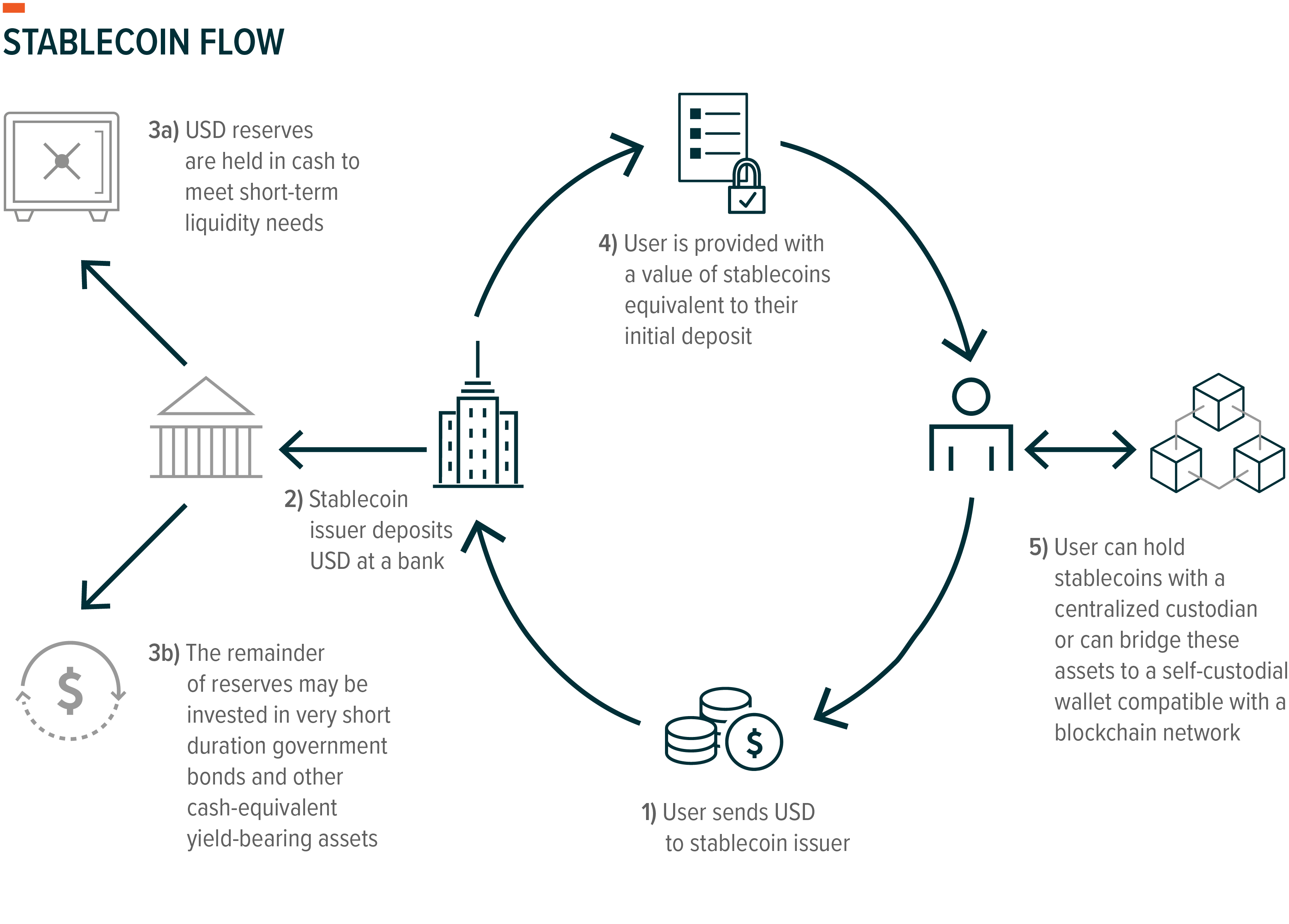
Stablecoin flows in 2026
The global payments landscape shifted significantly in early 2026. Stablecoins settled $7.2 trillion in value in February alone, surpassing the US ACH network for the first time. This milestone marks a transition from speculative asset trading to actual payments infrastructure, particularly in business-to-business (B2B) flows and treasury operations.
Asia remains the largest region for stablecoin activity, driven by cross-border settlement needs and higher volatility in local fiat currencies. Institutional liquidity is no longer just about holding tokens; it is about using them as a liquid layer for real-world asset tokenization and daily operational cash management.
For institutions, the priority is no longer just yield, but settlement speed and regulatory clarity. The flow of capital is moving toward compliant issuers who can integrate directly with traditional banking rails. This shift creates a new tier of institutional-grade liquidity that competes directly with legacy wire systems.
The data suggests a clear divergence in usage patterns. While retail speculation remains a factor, the volume growth is increasingly tied to institutional adoption in regions with less robust traditional banking infrastructure. This trend is expected to accelerate as more jurisdictions finalize stablecoin regulations.
Stablecoin Flow Tradeoffs in 2026
The $7.2 trillion in stablecoin settlement volume recorded in February 2026 marks a structural shift. Stablecoins have surpassed the US ACH network for the first time, moving from speculative assets to essential payments infrastructure. For institutions, this volume brings liquidity but also introduces complex tradeoffs between speed, cost, and regulatory compliance.
Choosing the right stablecoin flow strategy depends on the specific use case. B2B treasury operations require different safeguards than high-frequency cross-border payments. Understanding these nuances is critical for managing risk in a tightening regulatory landscape.
| Use Case | Primary Benefit | Key Risk | Best Fit |
|---|---|---|---|
| B2B Treasury Operations | Automated reconciliation | Regulatory lag | USDC (Regulated) |
| Cross-Border Remittance | 24/7 finality | Network congestion | USDT (Liquidity) |
| High-Frequency Trading | Low latency | Smart contract exploit | DAI (Decentralized) |
| Emerging Market Payments | Currency hedge | Local policy bans | USDC (Compliance) |
The choice between centralized and decentralized stablecoins defines the risk profile. Centralized issuers like Circle or Tether offer regulatory clarity but introduce counterparty risk. Decentralized options like DAI offer censorship resistance but lack the predictable reserve backing institutions require for audit trails.
Liquidity depth varies significantly by network. While Ethereum remains the primary settlement layer, Layer 2 solutions are capturing volume for smaller, high-frequency transactions. Institutions must evaluate gas costs and finality times alongside the issuer’s compliance posture. The tradeoff is rarely just about the asset; it is about the infrastructure layer that supports it.
Ultimately, the decision hinges on the balance between speed and assurance. For most institutional flows, regulated stablecoins on major chains offer the best risk-adjusted return. However, for specific hedging or privacy needs, alternative assets may provide necessary flexibility.
How to choose the right stablecoin for your treasury
Treasury teams are moving from speculative positions to operational infrastructure. The goal is no longer just yield, but settlement speed and regulatory clarity. With stablecoins now settling $7.2 trillion in February 2026, surpassing the US ACH network, the choice of asset directly impacts your operational risk and liquidity access.
Follow this decision framework to align your stablecoin selection with your specific treasury or B2B payment needs.
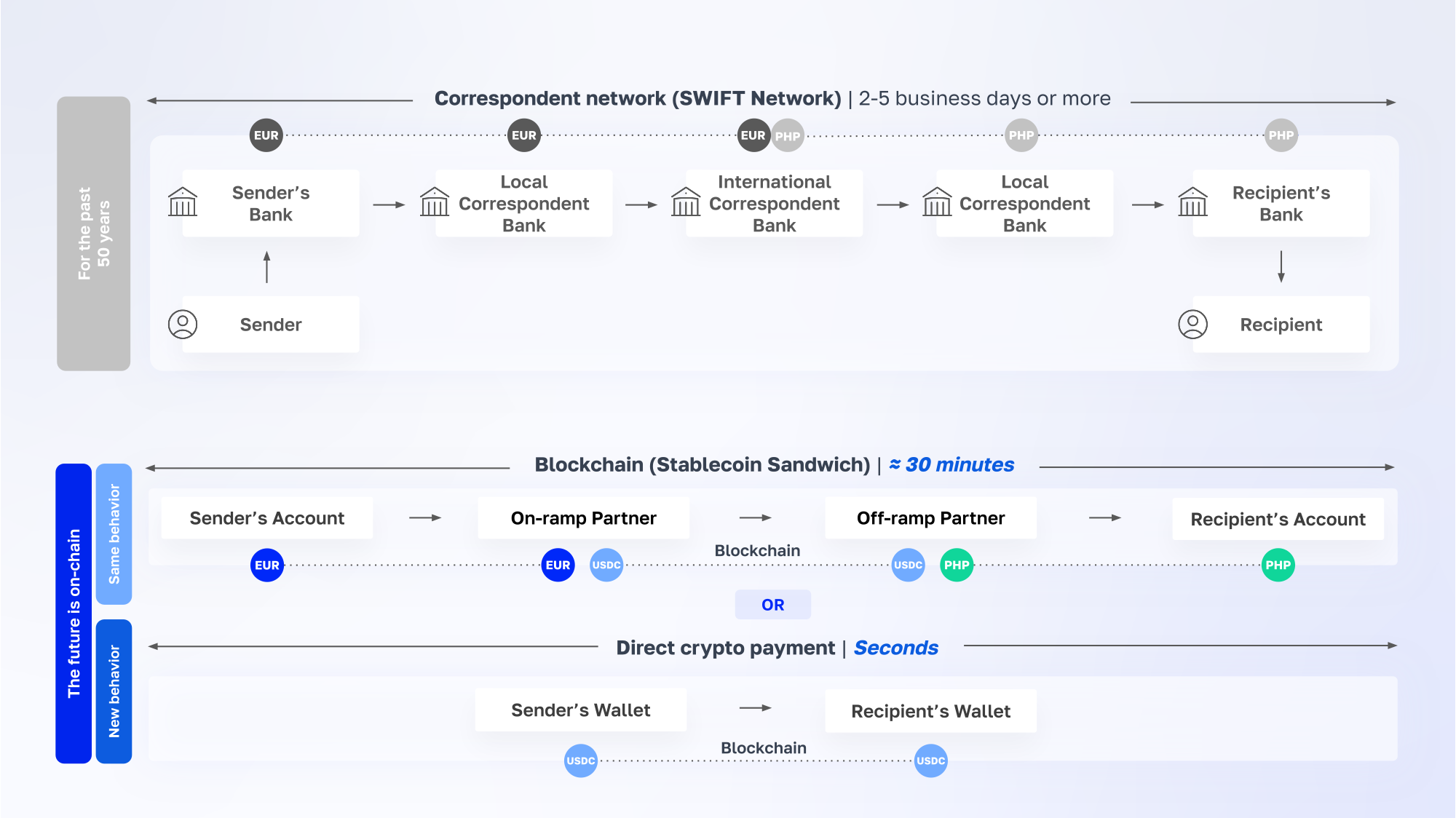
Start by identifying the flow you need to move. If the goal is cross-border B2B payments, prioritize assets with deep liquidity in Asia and Europe. For treasury reserves, focus on assets with the highest credit quality and regulatory compliance. The asset must fit the job, not the other way around.
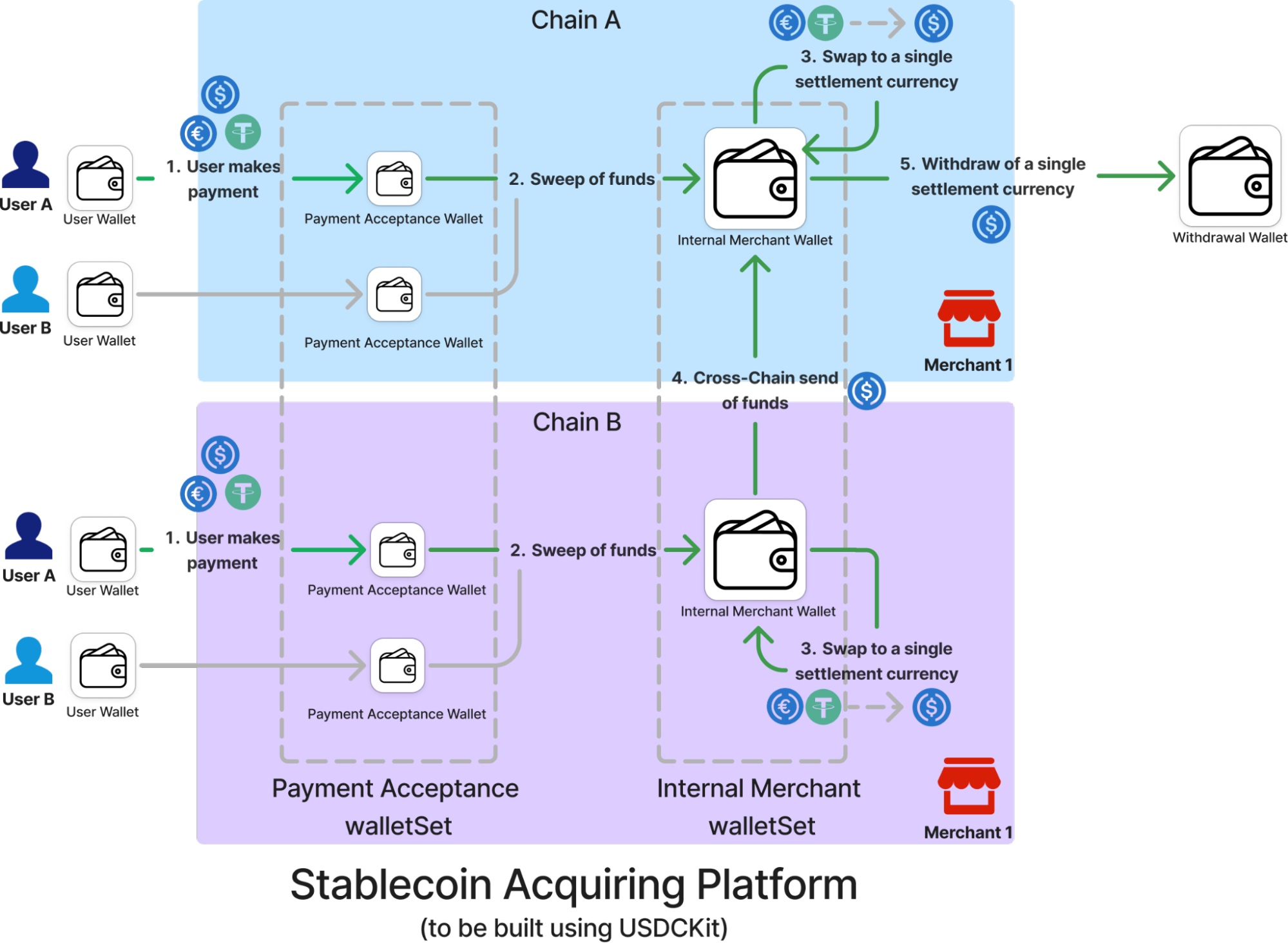
Regulatory risk is the primary differentiator in 2026. Check if the issuer is subject to US, EU, or local banking regulations. Assets issued under clear frameworks (like US money market funds or EU e-money institutions) offer lower counterparty risk. Avoid unbacked or algorithmic models for institutional liquidity.
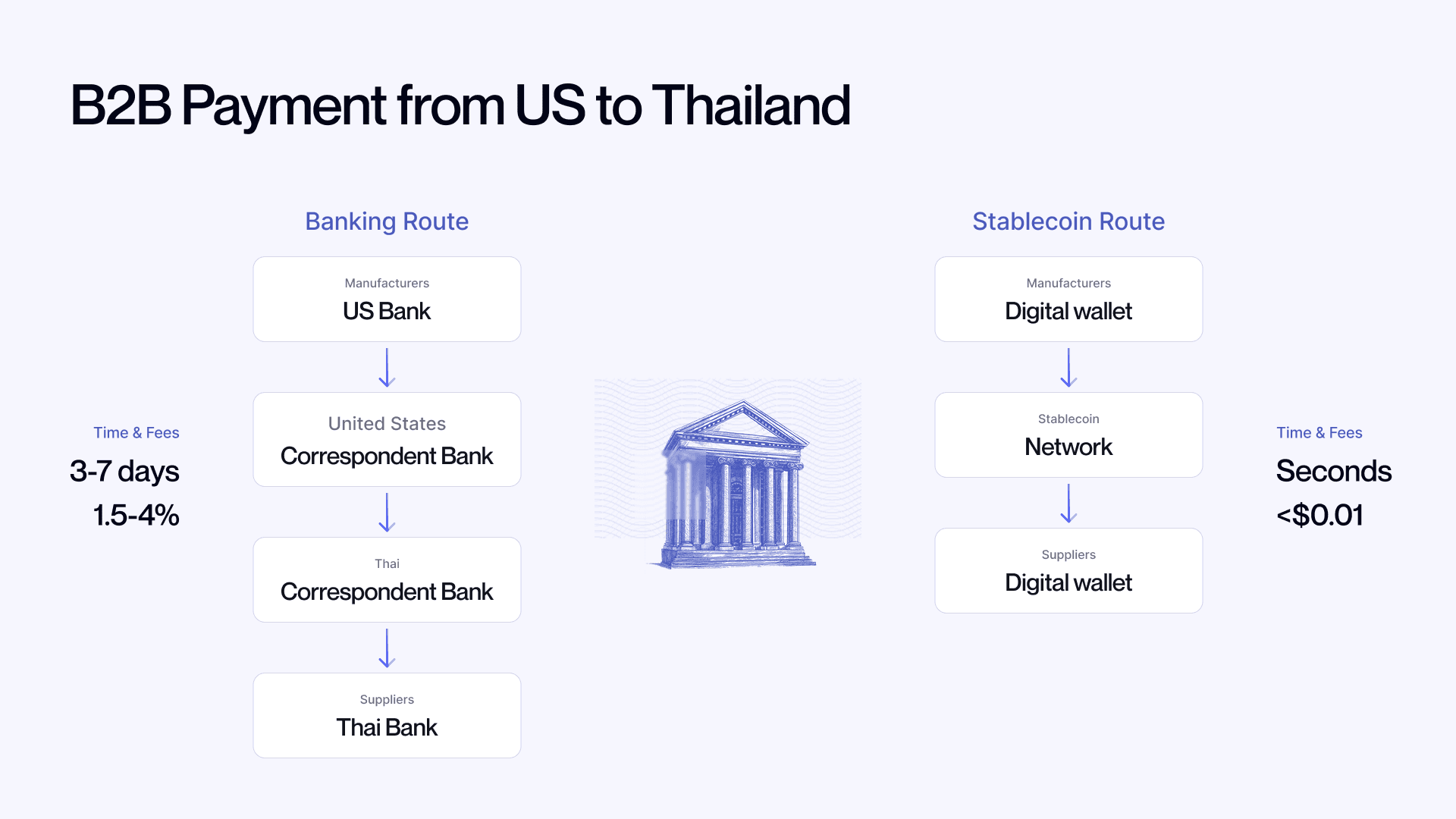
Compare the total cost of ownership. While exchange rates may be flat, network fees and slippage vary. For high-volume payments, stablecoins on low-fee networks (like Solana or Layer 2s) often beat traditional wire transfers. For large, infrequent transfers, high-liquidity assets on Ethereum mainnet may offer better price stability despite higher gas costs.
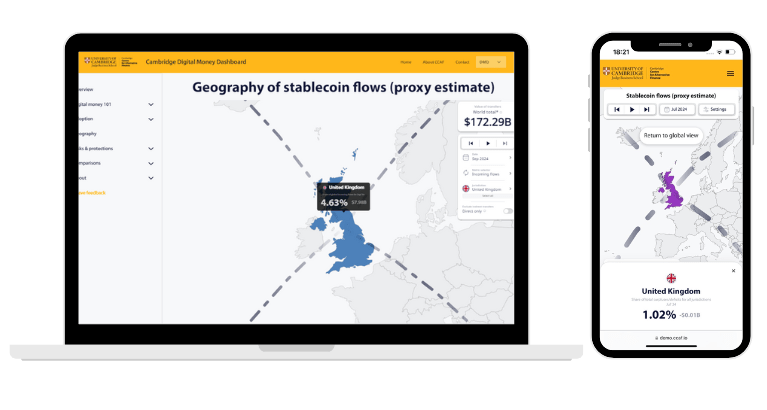
Liquidity is not global. Asia dominates stablecoin flows, while Europe and the US have different preferred assets. Ensure your chosen stablecoin has sufficient depth in your target region to avoid slippage during large transactions. Test with small amounts before scaling up.
Spotting Weak Options in Stablecoin Markets
The $7.2 trillion settlement volume in early 2026 highlights a growing gap between marketing claims and operational reality. Institutional liquidity is expanding, but so are the risks of misaligned incentives. Identifying weak options requires looking beyond headline yields to the underlying reserve composition and regulatory status.
Many platforms promise institutional-grade stability while holding significant exposure to unbacked commercial paper or opaque private credit. This mismatch creates liquidity traps during market stress. Compare the top 3 stablecoins not just by market cap, but by their ability to redeem at par during volatility.
A common mistake is assuming all stablecoins function as payments infrastructure. While some facilitate B2B flows and treasury operations, others remain speculative assets with no real-world utility. Distinguish between coins designed for settlement and those merely tracking prices.
The largest holder of stablecoins is often a centralized exchange or custodian, not a retail investor. This concentration increases systemic risk. Verify if the issuer provides monthly attestation reports from independent auditors. Without transparency, "stable" is just a label, not a guarantee.
Stablecoin flows 2026: what to check next
Stablecoins have moved from speculative assets to essential payments infrastructure. In 2026, they settled $7.2 trillion in February alone, surpassing the US ACH network for the first time. This section addresses common questions about market leaders, asset classification, and practical adoption.
No comments yet. Be the first to share your thoughts!