
Stablecoin flows 2026: The liquidity shift
In February 2026, stablecoins settled $7.2 trillion in value, surpassing the US ACH network for the first time. This milestone marks a structural break in global payments infrastructure. The dominance of USDT is eroding as liquidity migrates toward assets backed by real-world assets (RWA) and central bank digital currency (CBDC) pilots. Asia remains the largest region for stablecoin flows, driven by cross-border B2B payments and treasury operations.
The market is no longer just about speculation. Stablecoins are becoming the plumbing for institutional finance. Companies are using them for faster settlement and lower fees, moving away from traditional banking rails. This shift is creating new liquidity pools that bypass traditional intermediaries. The result is a more fragmented but efficient global financial system.
| Feature | USDT | USDC | RWA-Backed | CBDC Pilots |
|---|---|---|---|---|
| Primary Use | Trading & Speculation | Compliance & B2B | Yield & Treasury | Domestic Payments |
| Liquidity Source | Fiat Reserves | Fiat Reserves | Real-World Assets | Central Bank |
| Regulatory Risk | High | Low | Medium | Low |
| Settlement Speed | Fast | Fast | Fast | Real-Time |
The tradeoff is clear. USDT offers the deepest liquidity for traders but carries higher regulatory scrutiny. USDC provides a safer, compliant alternative for institutional players. RWA-backed tokens offer yield but introduce complexity. CBDC pilots promise efficiency but raise privacy concerns. Understanding these differences is critical for navigating the 2026 landscape.
Stablecoin Flow Tradeoffs in 2026
Stablecoins settled $7.2 trillion in February 2026, surpassing the US ACH network for the first time. This milestone signals a structural shift from speculative asset holding to functional payments infrastructure. As RWA tokenization and CBDC pilots mature, liquidity is dispersing away from legacy issuers like USDT toward more regulated or region-specific rails.
Choosing the right stablecoin requires evaluating settlement speed, regulatory compliance, and liquidity depth across different corridors. The following table breaks down the primary tradeoffs between the dominant players and emerging alternatives.
| Asset | Settlement | Regulatory Risk | Depth |
|---|---|---|---|
| USDT | Fast | Medium | Deep |
| USDC | Fast | Low | Deep |
| EUROe | Medium | Low | Moderate |
| CBDC Pilots | Variable | Low | Emerging |
For B2B treasury operations, USDC offers the clearest audit trail and regulatory alignment, making it the preferred choice for institutional compliance. However, its reliance on US banking infrastructure can introduce friction during cross-border transfers. USDT remains the default for retail and emerging market payments due to its unparalleled liquidity, though it carries higher counterparty opacity.
RWA-backed tokens like EUROe are gaining traction in Europe as CBDC pilots prepare for wider rollout. These assets offer direct exposure to real-world collateral but currently face lower liquidity depths. Treating stablecoin flows like any other sensitive financial process requires adding verification, multisig approvals, and continuous wallet monitoring to mitigate operational risks.
The decision ultimately depends on your geography and use case. For global B2B settlements, USDC’s compliance framework reduces legal overhead. For high-volume retail or emerging market flows, USDT’s liquidity is unmatched. As CBDCs enter pilot phases, expect a hybrid model where regulated stablecoins serve as the bridge between traditional banking and digital asset rails.
Choosing the Right Stablecoin for Your Use Case
The stablecoin landscape is shifting from a USDT-dominated market to a diversified ecosystem driven by RWA tokenization and CBDC pilots. With $7.2 trillion settled in February 2026, stability and regulatory clarity are now more important than volume alone. Use this framework to decide which asset aligns with your specific needs.
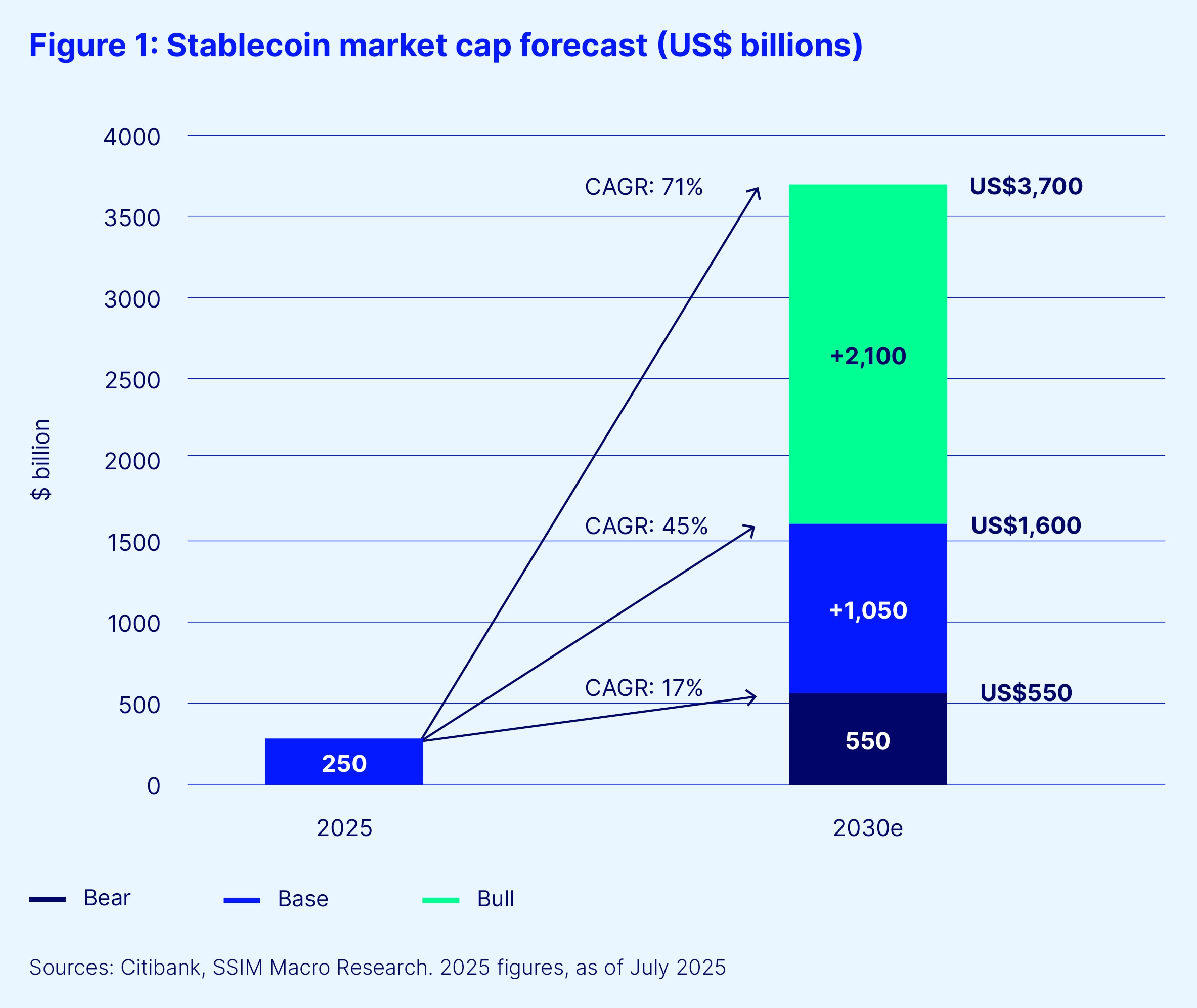
Regulatory risk varies significantly by region. If you operate in the EU or US, prioritize assets with clear compliance frameworks like USDC or regulated CBDC pilots. For cross-border B2B flows where regulatory oversight is lighter, USDT remains the most liquid option, but its centralization risk increases in high-stakes environments.
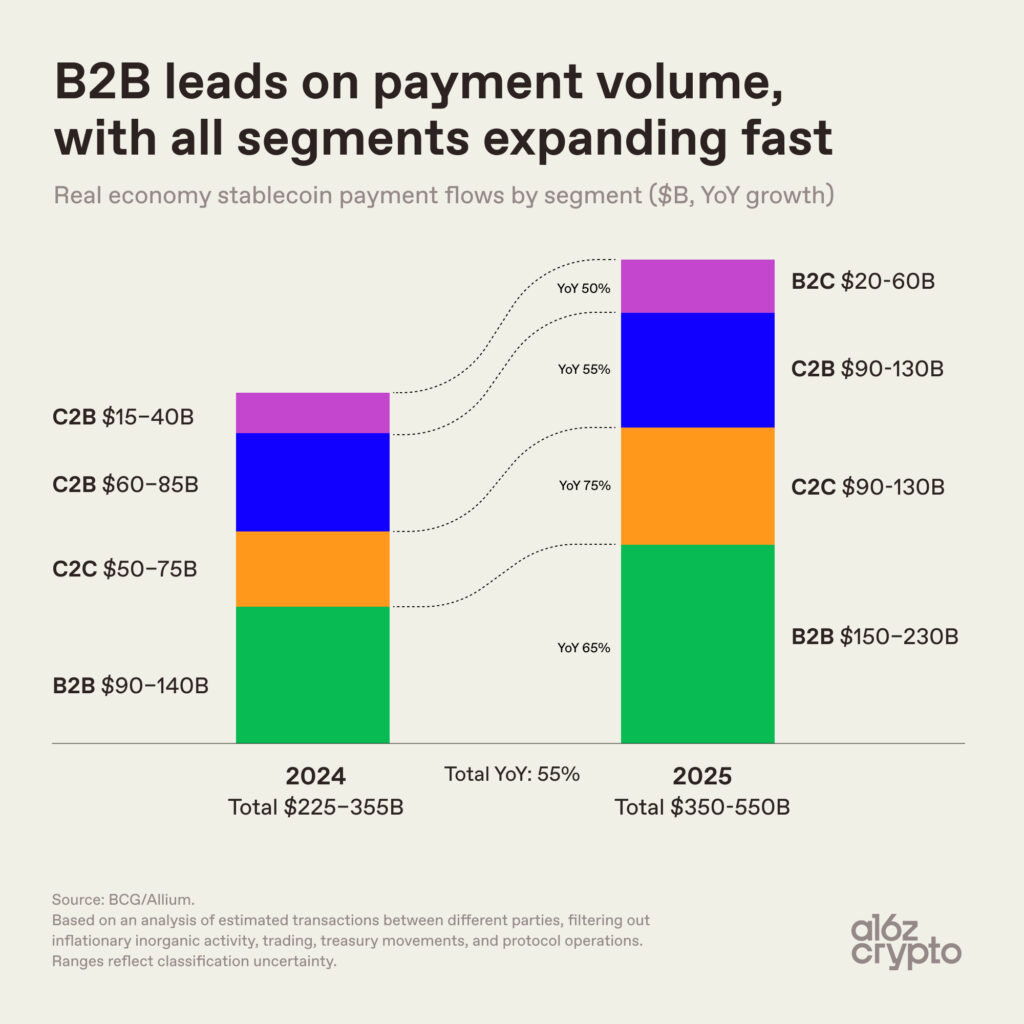
Liquidity is the primary driver for transaction volume. USDT still leads in total market cap and exchange depth, making it ideal for high-frequency trading. However, for treasury operations and B2B payments, assets like USDC or tokenized bank deposits offer faster, cheaper settlement with lower counterparty risk, especially as they integrate with traditional banking rails.
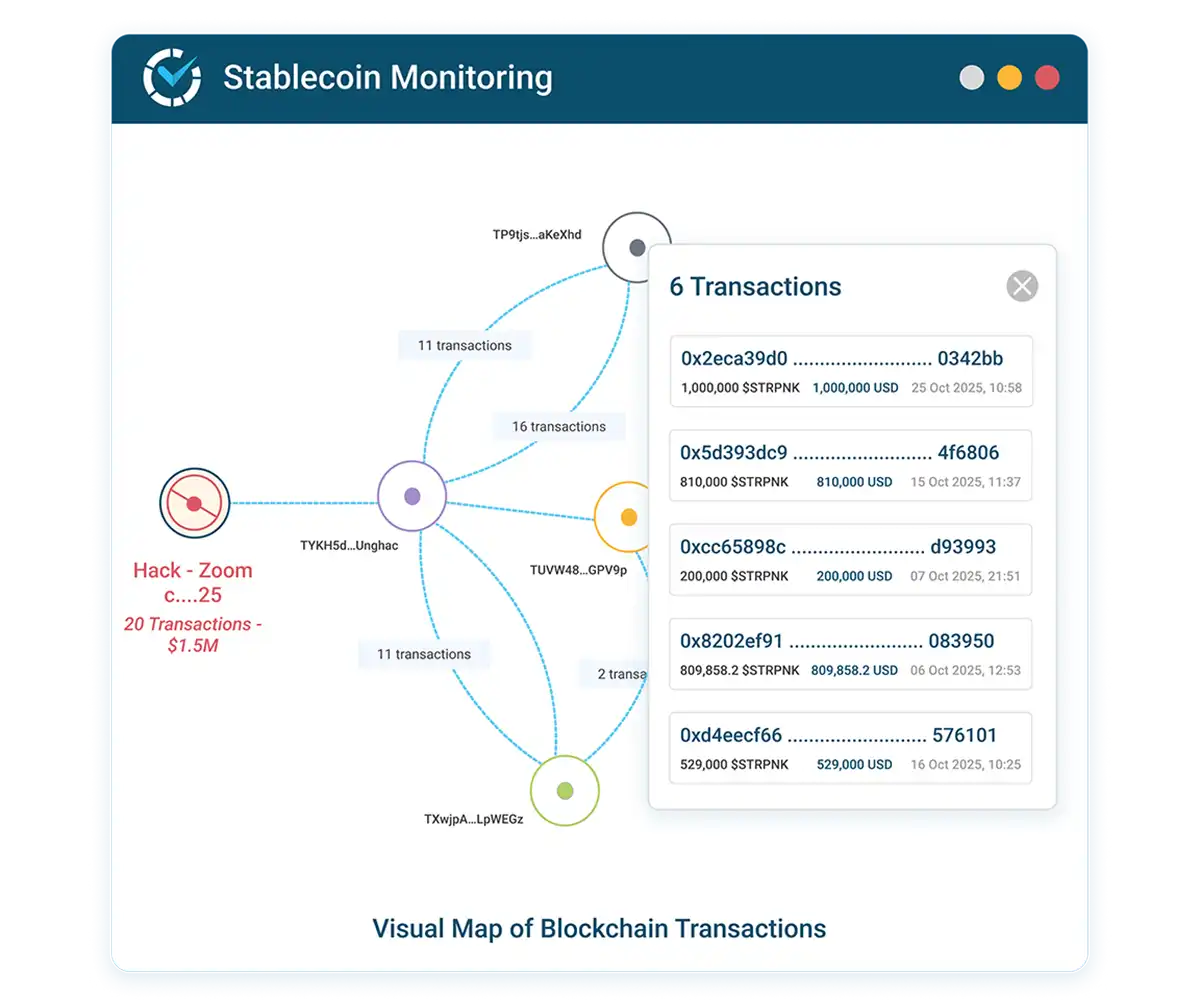
If your strategy involves real-world asset (RWA) tokenization, choose stablecoins that are compatible with institutional settlement layers. CBDC pilots are emerging as the preferred medium for domestic retail and government transactions, offering zero counterparty risk but limited interoperability. For global liquidity, hybrid approaches using both private stablecoins and CBDCs are becoming standard.
| Asset | Best For | Risk Level |
|---|---|---|
| USDT | High-frequency trading, global liquidity | Medium |
| USDC | Treasury management, regulated B2B | Low |
| CBDC/T-RWA | Institutional settlement, domestic payments | Very Low |
Common Mistakes in Stablecoin Flow Analysis
The shift toward RWA tokenization and CBDC pilots is reshaping liquidity, but many reports still treat stablecoins as a monolith. This oversimplification masks the divergence between payment rails and balance sheet assets. When analyzing flow data, avoid these three weak options that lead to misleading conclusions.
1. Treating USDT as the Sole Proxy for Market Sentiment
Many analysts still equate USDT dominance with market health. While USDT remains the largest stablecoin by market cap, its flow dynamics are driven by different actors than USDC or EURC. USDT is heavily used for cross-border settlement and speculative leverage, whereas USDC flows often correlate with institutional treasury operations and regulatory compliance. Relying solely on USDT metrics ignores the growing liquidity in regulated assets and RWA-backed tokens. This creates a blind spot in understanding how CBDC pilots are siphoning liquidity from private issuers in specific jurisdictions.
2. Ignoring the B2B Infrastructure Shift
A common error is focusing only on retail trading volume. In 2026, stablecoins are increasingly functioning as B2B payments infrastructure. The $7.2 trillion in settlement volume is not just retail speculation; it reflects corporate treasury movements and supply chain finance. Analysts who ignore this structural shift underestimate the role of stablecoins in replacing traditional ACH and SWIFT systems. This leads to an overestimation of volatility risk and an underestimation of the sticky, long-term liquidity flowing into RWA tokenization.
3. Overlooking Regulatory Divergence in CBDC Pilots
CBDC pilots are not uniform. Their impact on stablecoin liquidity varies by region and regulatory framework. Some pilots restrict stablecoin usage for retail payments, while others allow interoperability. Ignoring these nuances leads to inaccurate predictions about market share. For instance, if a major economy’s CBDC restricts private stablecoin settlement, liquidity may shift to non-compliant or offshore chains, distorting on-chain volume data. Always map CBDC pilot rules to specific stablecoin flows rather than assuming a blanket migration.
Decision Framework
To avoid these pitfalls, segment your analysis by issuer type and use case. Compare USDT’s speculative flows against USDC’s institutional flows and RWA-backed tokens’ settlement volumes. This layered approach provides a clearer picture of where liquidity is actually moving.
Stablecoin flows 2026: what to check next
Stablecoin settlement volume hit $7.2 trillion in February 2026, surpassing the US ACH network for the first time, yet they still represent just 1% of global payment flows. This divergence highlights a shift from retail speculation to institutional B2B infrastructure, where RWA tokenization and CBDC pilots are altering liquidity patterns away from legacy issuers.
No comments yet. Be the first to share your thoughts!