
Stablecoin flows in 2026
Stablecoin settlements hit $7.2 trillion in February 2026, surpassing the US ACH network for the first time. This milestone signals a structural shift in global liquidity, with Asia emerging as the largest flow region. The growth is not just volume; it is utility. Over half of stablecoin holders plan to acquire more in the next year, driven by clearer regulations and enterprise adoption for cross-border settlement.
Real-world asset (RWA) tokenization is the primary engine behind this shift. As tokenized treasuries and other assets move on-chain, they require stable rails for settlement. USDC has captured significant share in this space, benefiting from its regulatory clarity and integration with traditional finance infrastructure. This contrasts with USDT, which remains the largest by market cap but faces varying regulatory scrutiny across jurisdictions.
The landscape is defined by a divergence in use cases. Institutional players favor USDC for its compliance-ready structure, while retail and high-volume speculative markets often lean toward USDT for its liquidity depth. Understanding this split is critical for analyzing where liquidity is actually moving in 2026.
| Asset | Primary Strength | Key Risk |
|---|---|---|
| USDC | Regulatory clarity & institutional adoption | Lower liquidity in speculative markets |
| USDT | Highest market cap & liquidity | Regulatory scrutiny & transparency questions |
Evaluating the tradeoffs in 2026 stablecoin flows
The shift toward USDC is not just about market cap; it is a structural change in how liquidity moves. In 2026, stablecoins settled $7.2 trillion in February alone, surpassing the US ACH network for the first time. This volume forces a choice between speed and compliance. You are no longer just moving money; you are selecting a regulatory and liquidity rail.
The core tradeoff lies in where you prioritize your capital. USDC offers deep integration with traditional finance and stricter reserve audits, making it the default for institutional treasury operations. USDT retains dominance in high-frequency trading and specific crypto-to-crypto pairs due to its sheer depth in decentralized exchanges. USDP and other regional stablecoins offer niche utility but lack the universal liquidity of the top two. Your choice depends on whether you value regulatory safety or trading volume.
| Use Case | Preferred Asset | Why |
|---|---|---|
| Cross-Border Payments | USDC | Bank-grade compliance and predictable settlement |
| DeFi Trading | USDT | Highest liquidity on major DEXs |
| Corporate Treasury | USDC | Transparent reserves and institutional custody |
| High-Frequency Arbitrage | USDT | Tighter spreads in volatile markets |
For most business applications, the tradeoff favors USDC. The 2026 landscape rewards transparency. Companies treating stablecoin flows like sensitive financial processes—adding verification and multisig approvals—find USDC’s audit trails easier to integrate with existing compliance frameworks. If your operation relies on cross-border B2B flows, the regulatory clarity of USDC reduces friction with traditional banking partners. USDT remains essential for pure crypto-native strategies, but for shifting real-world liquidity, USDC is the safer, more scalable infrastructure.
How to Choose a Stablecoin Strategy in 2026
Stablecoins have crossed a major threshold. In February 2026, they settled $7.2 trillion in transactions, surpassing the US ACH network for the first time [[src-serp-2]]. This shift means the choice of stablecoin is no longer just about holding a peg; it is about selecting the right liquidity rail for your specific needs. With real-world asset tokenization moving into the mainstream, the market is splitting between pure payment utility and yield-generating treasury tools [[src-serp-2]].
To navigate this, you must evaluate three factors: regulatory compliance, yield potential, and settlement speed. Below is a practical framework to help you decide which stablecoin fits your use case.
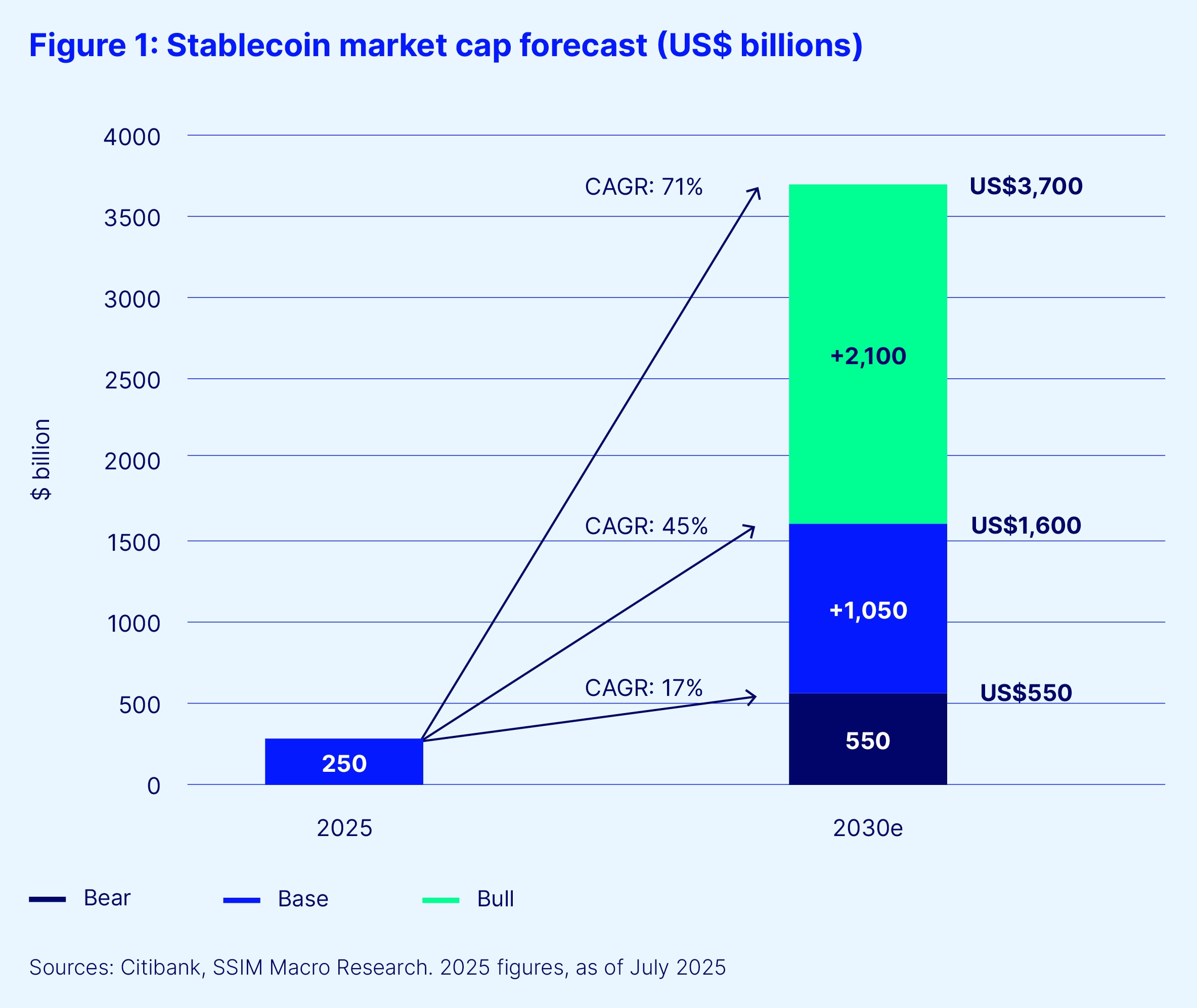
For institutional capital and cross-border payments, regulatory clarity is the primary filter. USDC is widely viewed as the compliant choice for regulated entities due to its transparent reserves and US-based issuance. If your organization operates under strict legal frameworks or requires audit trails for real-world asset tokenization, prioritize issuers with clear licensing in your jurisdiction over unregulated alternatives.
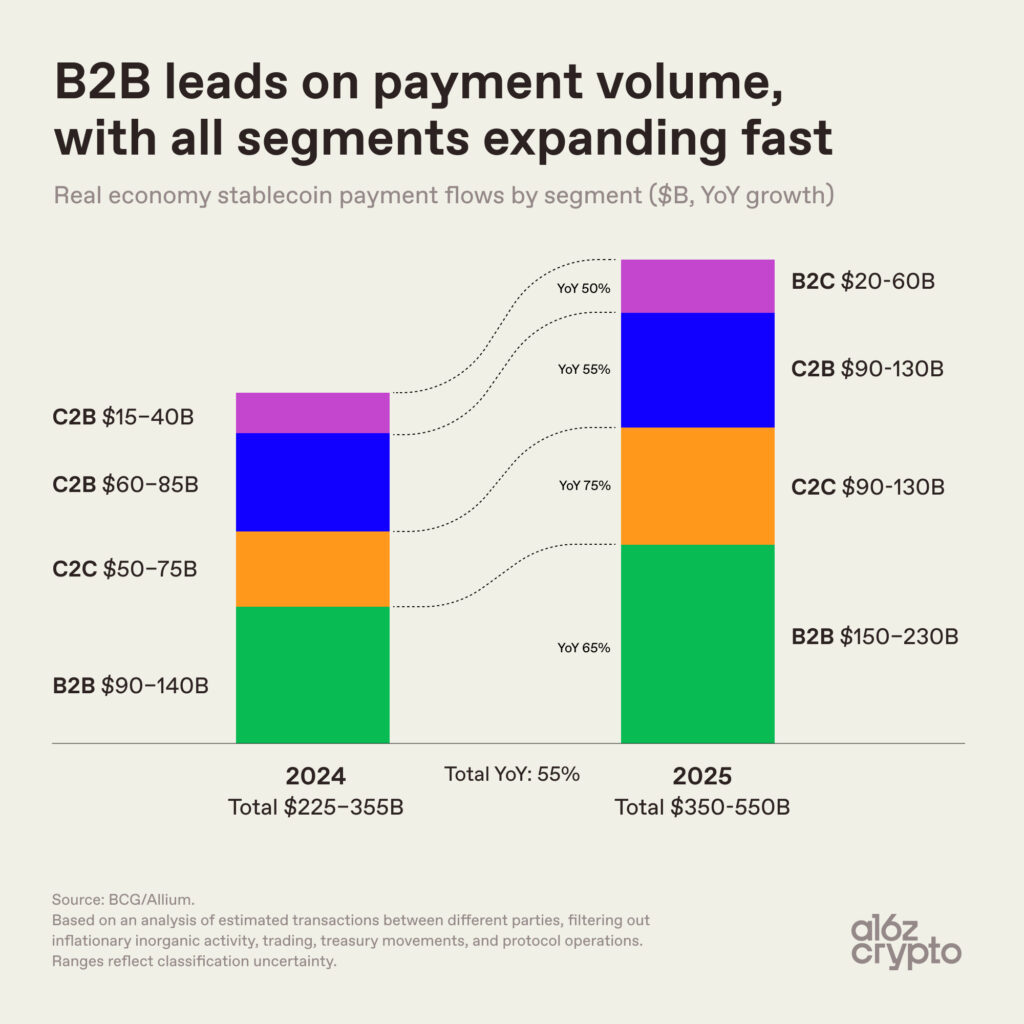
Not all stablecoins are created equal when it comes to returns. While traditional USDT or USDC offer little to no yield on-chain, yield-bearing stablecoins like USDS or tokenized treasuries are expanding rapidly [[src-serp-2]]. If you are holding capital idle, consider assets that generate yield from underlying US Treasuries. However, weigh the complexity of smart contract risk against the simplicity of a bank deposit.
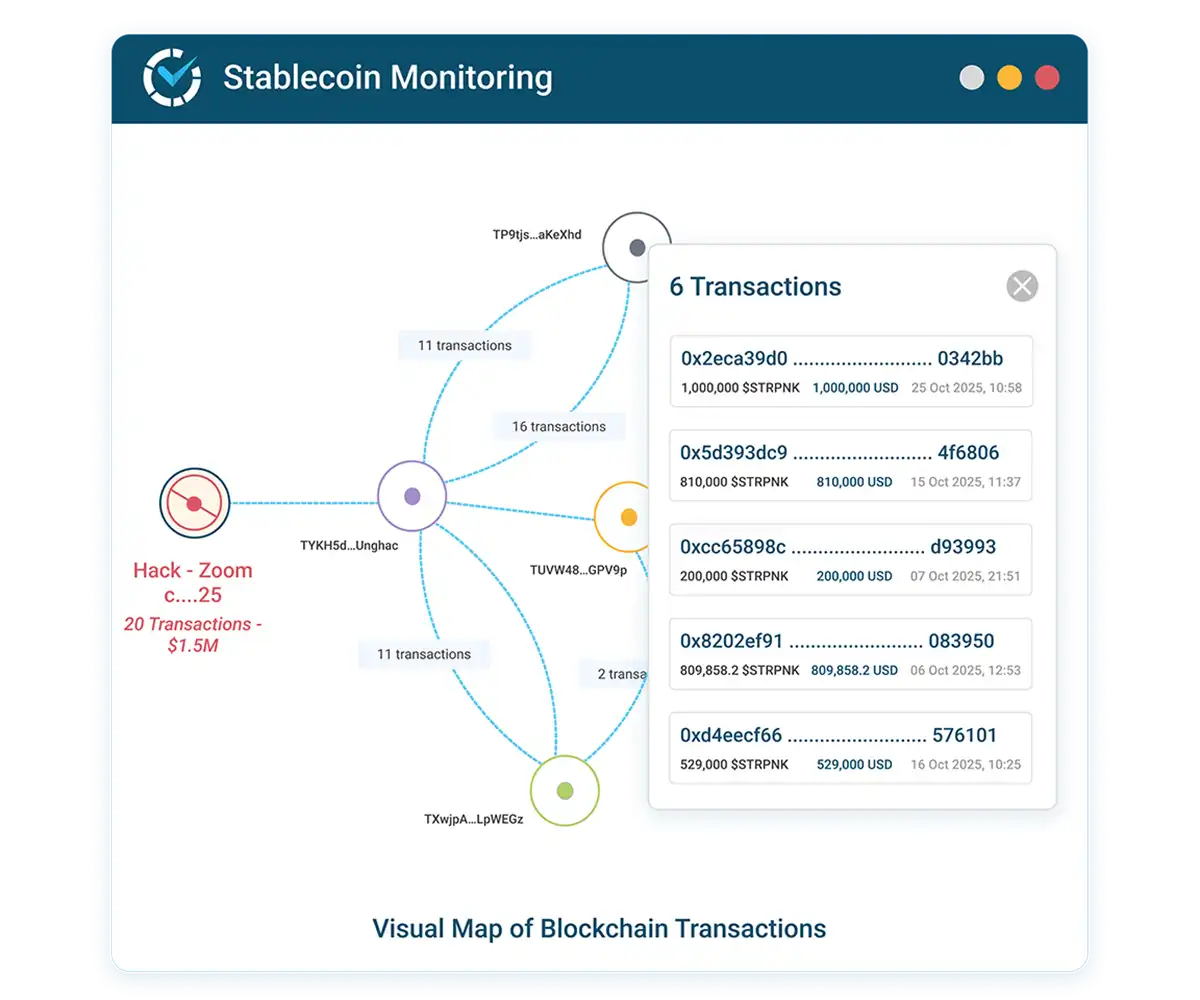
Liquidity is fragmented across different blockchains. For high-volume, low-cost micropayments, Layer 2 solutions like Base or Arbitrum often offer better efficiency than the main Ethereum chain. For massive institutional settlements, check where the deepest liquidity pools exist. Asia remains the largest stablecoin-flow region, so ensure your chosen asset has sufficient depth in those markets if you are transacting globally.
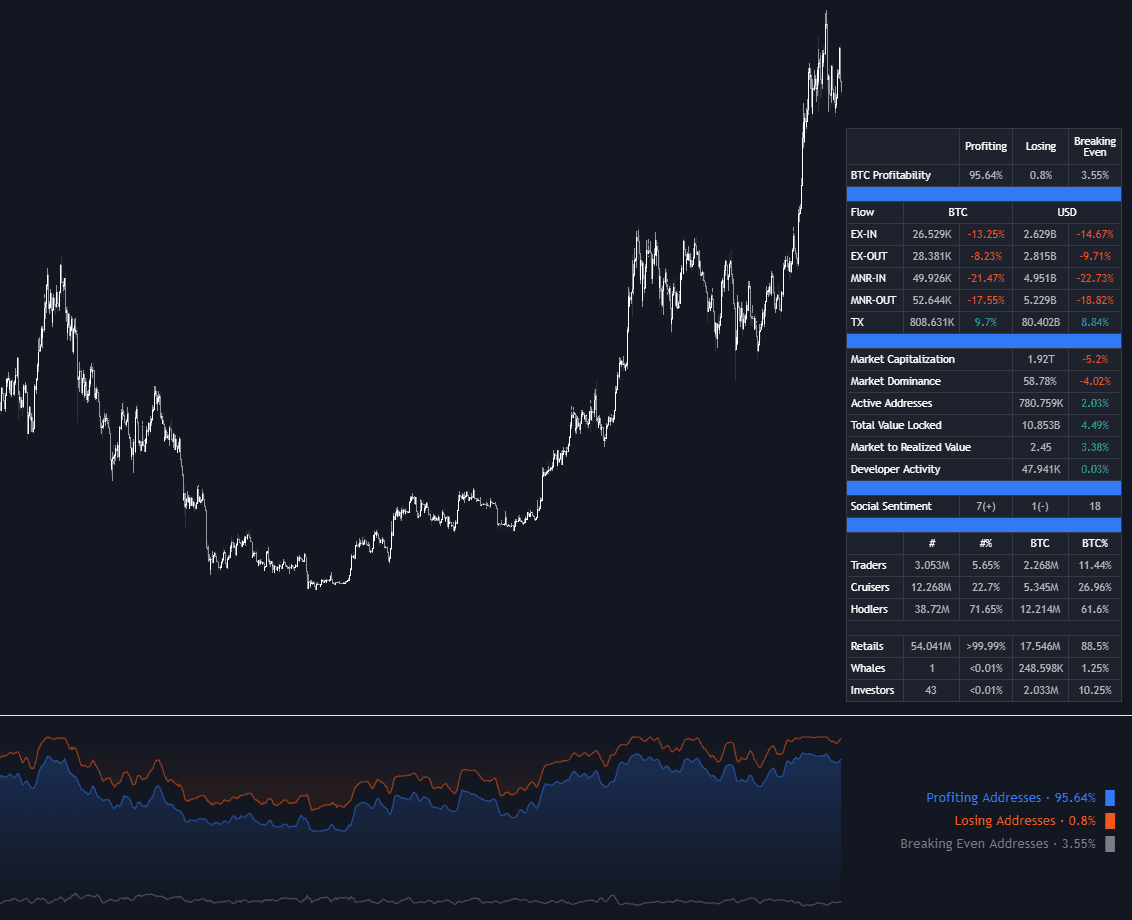
Tether (USDT) remains the largest stablecoin by market capitalization, but USDC is gaining ground in regulated sectors. Half of stablecoin holders have increased their holdings in the last 12 months, signaling strong institutional adoption [[src-serp-1]]. Track these flows to understand where the liquidity is moving. A shift in dominance often precedes changes in transaction fees and availability.
| Feature | USDC | USDT |
|---|---|---|
| Regulatory Status | US-based, highly compliant | Offshore, mixed compliance |
| Yield Potential | Low (native), High (via DeFi) | Low (native), High (via DeFi) |
| Primary Use Case | Institutional payments, RWA tokenization | Retail trading, global remittances |
The right choice depends on your risk tolerance and operational needs. For regulated enterprises, USDC’s compliance infrastructure offers peace of mind. For traders seeking deep liquidity and speed, USDT remains the default. As the market matures, the gap between these options may narrow, but for now, your strategy should be dictated by where you need to move money and how much yield you require.
Watch out for weak stablecoin options
Stablecoin utility is expanding, but not every token or use case is built for longevity. As real-world asset tokenization shifts liquidity to USDC, investors and businesses must separate signal from noise. The market is crowded with misleading claims about yield, stability, and adoption that can lead to significant capital loss or regulatory friction.
The liquidity shift is real, but fragile
Stablecoins settled $7.2 trillion in February 2026, surpassing the US ACH network for the first time. This milestone signals a structural shift in global payments, with Asia emerging as the largest flow region. However, this growth is heavily concentrated in specific corridors and assets. Relying on less transparent stablecoins for critical treasury operations exposes firms to settlement risk that traditional banking rails do not carry.
Don't confuse volatility with stability
A common mistake is treating all digital dollars as equal. Tether's USDT remains the largest by market capitalization, but USDC is gaining ground in institutional and regulated environments. Assuming interchangeable utility can lead to liquidity traps during market stress. Always verify the reserve composition and regulatory jurisdiction of the stablecoin issuer before integrating it into your financial stack.
Regulatory clarity is the ultimate filter
The "next big thing" narrative often ignores the regulatory tailwinds reshaping the landscape. Clearer regulations are unlocking capital and accelerating enterprise adoption, but they also eliminate weaker players. Projects promising high yields without transparent backing are likely unsustainable. Focus on tokens that align with emerging compliance frameworks rather than chasing speculative trends.
Stablecoin flow 2026: what to check next
Stablecoin flows are shifting from speculative trading to institutional infrastructure. The following answers address the practical objections and search intent surrounding these changes in 2026.
No comments yet. Be the first to share your thoughts!