
Stablecoin flows 2026: The liquidity shift
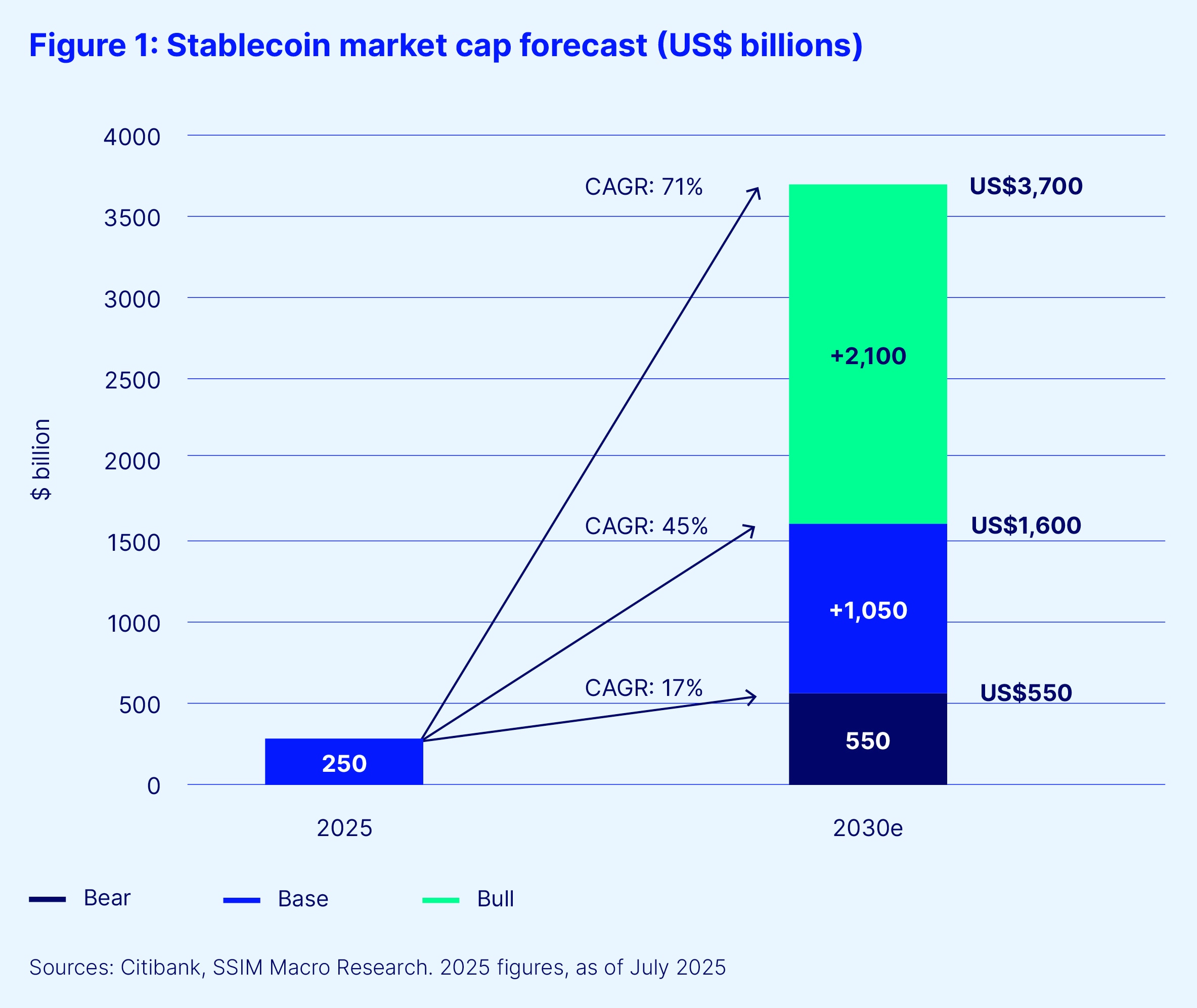
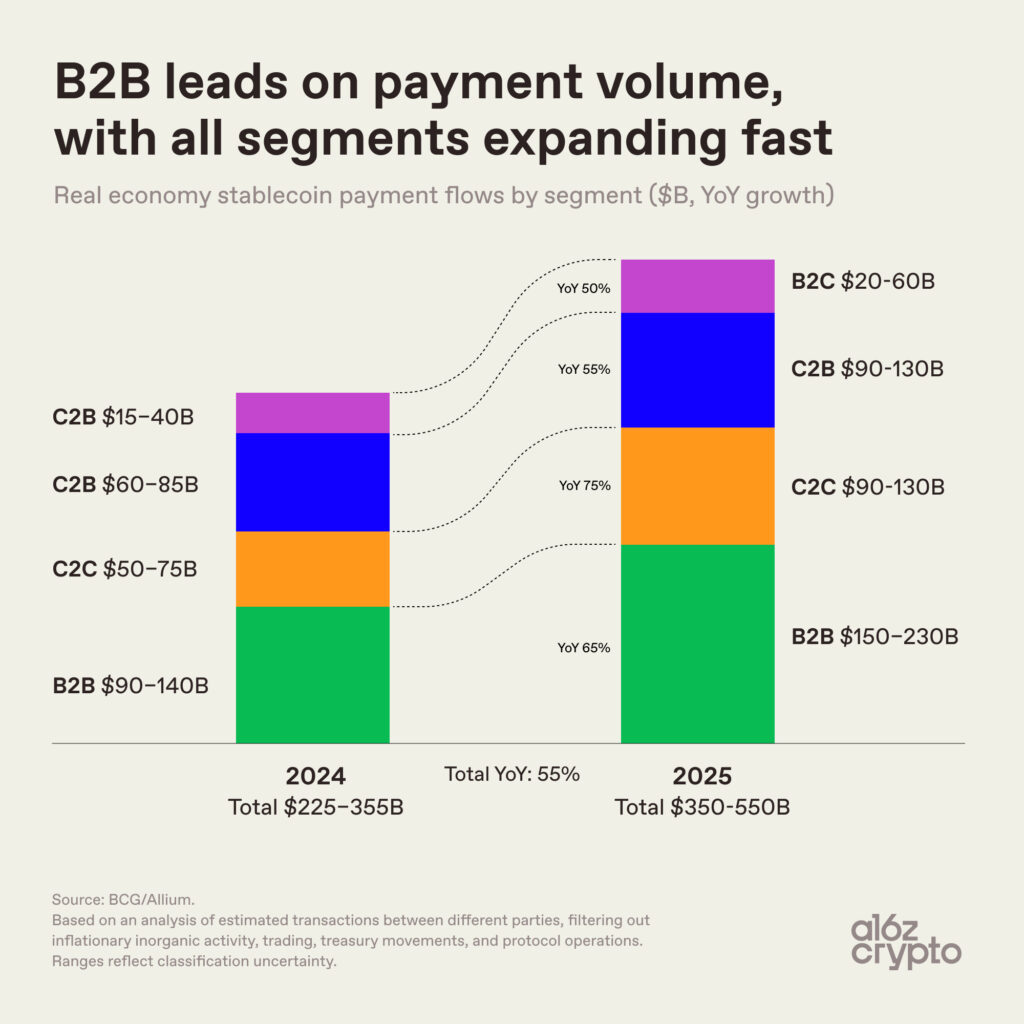
The global liquidity landscape in 2026 has moved past theoretical adoption into tangible flow patterns. Stablecoin holdings are rising fast, with half of holders increasing their positions over the last 12 months and 56% planning to acquire more in the near future. This surge is not merely speculative; it reflects a structural shift in how capital moves across borders.
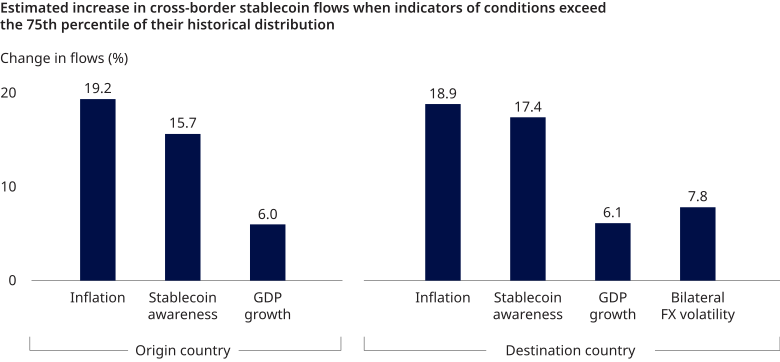
USDC and USDT continue to dominate this flow, but their roles are diverging. USDT remains the primary vehicle for high-volume, cross-border settlement and offshore trading, while USDC captures institutional and regulated on-ramp liquidity. Understanding these flows is essential for navigating market volatility, as stablecoin volume often precedes spot price movements.
The focus has shifted from whether stablecoins are the "next big thing" to how they function as critical infrastructure. For traders and institutions, monitoring these flows provides a real-time view of risk appetite. When liquidity flows into USDC, it often signals a preparation for regulated market entry. Conversely, heavy USDT accumulation in specific wallets can indicate offshore hedging or preparation for speculative bursts.
This section grounds the 2026 analysis in concrete flow data. By tracking where capital sits, we can better understand the underlying health of the crypto markets beyond simple price action.
Stablecoin tradeoffs for 2026 liquidity
Choosing between USDC and USDT now depends less on price stability and more on where the liquidity actually lives. In Q3 2026, the divergence in regulatory compliance and regional adoption has created distinct lanes for each asset. USDC remains the preferred vehicle for institutional balance sheets and regulated exchanges, while USDT retains dominance in emerging markets and decentralized trading volumes.
The core tradeoff is regulatory clarity versus reach. USDC offers transparent reserve reports and stronger ties to US banking infrastructure, making it safer for corporate treasuries. USDT provides deeper order books on many offshore platforms and higher usability in regions with strict capital controls. Your choice should align with your primary use case: compliance-heavy operations or high-velocity cross-border transfers.
| Metric | USDC | USDT |
|---|---|---|
| Regulatory Focus | US-centric, Tier 1 banking | Global, offshore-heavy |
| Primary Use Case | Institutional custody | Retail trading, remittance |
| Reserve Transparency | Monthly attested reports | Quarterly audit summaries |
| Exchange Liquidity | Deep on regulated venues | Deepest on DEXs and offshore |
| Regional Strength | Asia, LatAm, Africa |
For most businesses, the decision hinges on jurisdiction. If you operate within US or EU regulatory frameworks, USDC’s compliance posture reduces legal friction. For global remittances or trading in emerging economies, USDT’s network effects often mean faster settlement and lower slippage. The "next big thing" in stablecoin utility is not a new coin, but the specialized use of these two incumbents based on where the user is located.
Build a stablecoin decision framework
The shift in USDC and USDT dominance in Q3 2026 signals a move from speculative accumulation to institutional liquidity deployment. With 56% of holders planning to acquire more assets, the market is no longer just about holding; it is about routing capital efficiently across borders.
To navigate this, treat your stablecoin allocation as a utility stack rather than a static deposit. Your choice depends on where the liquidity is deepest and where the regulatory friction is lowest. Use the following steps to align your holdings with your specific operational needs.
Identify the region where your counterparties settle. USDT retains dominance in emerging markets and high-volume retail corridors due to its liquidity depth. USDC leads in institutional and compliance-heavy jurisdictions. Match your primary holding to the exchange or payment rail your partners use most often to minimize conversion slippage.
Do not rely on a single issuer. Diversify across USDC and USDT to mitigate issuer-specific risk. If one network experiences a pause or regulatory scrutiny, the other often remains operational. This redundancy is critical for cross-border payments where delays can incur significant opportunity costs.
Determine which chains host your yield or operational activities. USDC is often preferred on Ethereum and Layer 2s for DeFi integration due to its compliance-first design. USDT dominates on Tron and Solana for high-speed, low-cost transfers. Hold the asset that matches the chain’s native liquidity to avoid bridging fees and risks.
The decision ultimately rests on your risk tolerance and operational speed. For institutional compliance and DeFi integration, USDC offers a clearer regulatory path. For maximum liquidity and global reach, particularly in emerging markets, USDT remains the default. Most sophisticated operators now hold a mix of both, rebalancing quarterly based on flow data and regulatory updates.
Avoid the weak options
Use this section to make the Stablecoin Flow Analysis decision easier to compare in real life, not just on paper. Start with the reader's actual constraint, then separate must-have requirements from details that are merely nice to have. A practical choice should survive normal use, maintenance, timing, and budget. If a recommendation only works in an ideal situation, call that out plainly and give the reader a fallback path.
The simplest way to use this section is to write down the must-have criteria first, then compare each option against those criteria before weighing nice-to-have features.
Stablecoin flows 2026: what to check next
Stablecoin adoption is accelerating, but the market remains fragmented and heavily regulated. Below are direct answers to the most common questions about market structure, political involvement, and asset classification in the 2026 landscape.
No comments yet. Be the first to share your thoughts!