
Stablecoin flows in 2026: the liquidity shift
The narrative around stablecoins in 2026 has shifted from speculative trading volumes to institutional liquidity management. As regulatory frameworks like the US Stablecoin Act begin to take shape, capital is moving from retail-heavy platforms to regulated custodians and payment rails. This transition is reshaping how real-world asset (RWA) yields are priced, as stablecoin issuers increasingly hold US Treasuries to meet reserve requirements.
The primary driver is no longer just transaction speed, but compliance and yield stability. Institutional treasuries are using stablecoins for cross-border B2B payments, reducing reliance on traditional correspondent banking. This shift creates a direct link between stablecoin liquidity and short-term government debt markets. When stablecoin supply expands, it often indicates increased institutional demand for dollar-denominated digital assets, which in turn supports RWA yields.
To track this shift, look at on-chain volume from regulated issuers rather than decentralized exchange volume. The latter still reflects retail speculation, while the former signals actual corporate treasury activity. As flows consolidate into compliant channels, the yield spread between traditional money market funds and RWA-backed stablecoins is narrowing, forcing investors to look for alpha in more complex, tokenized structures.
Stablecoin flow tradeoffs in 2026
Institutional capital is shifting from speculative yield-chasing to structural liquidity provision. For treasury operations and cross-border payments, the choice of stablecoin issuer now dictates settlement speed, regulatory exposure, and underlying asset quality. The 2026 landscape favors assets with transparent reserve audits and clear legal recourse over those offering the highest nominal APY.
The primary tradeoff is between yield generation and operational reliability. High-yield stablecoins often expose institutions to concentrated credit risk in the underlying short-term debt. Conversely, regulated, fully-reserved stablecoins offer lower yields but provide the predictability required for B2B payments and corporate treasury management. This shift is driven by new global regulatory frameworks that mandate stricter reserve segregation and reporting standards.
When evaluating stablecoin flows, institutions must prioritize the issuer’s legal structure and the liquidity depth of the underlying assets. A stablecoin backed by diversified, high-quality commercial paper may offer better risk-adjusted returns than one backed by a single concentrated asset class, even if the latter appears cheaper on the surface. The decision hinges on whether the capital is intended for short-term liquidity management or longer-term yield generation.
| Factor | High-Yield Stablecoins | Regulated/RWA-Backed | Liquidity |
|---|---|---|---|
| Yield Potential | High (8-12%) | Moderate (4-6%) | Variable |
| Regulatory Risk | High | Low | Low |
| Settlement Speed | Fast | Fast | Fast |
| Reserve Transparency | Opaque | Audited | Audited |
| Best Use Case | Speculative/DeFi | Treasury/B2B | Cross-border payments |
The decision ultimately depends on the institution’s risk tolerance and operational needs. For entities prioritizing balance sheet stability and regulatory compliance, regulated stablecoins backed by real-world assets (RWA) provide the necessary infrastructure for seamless global transactions. These assets offer predictable yields derived from underlying commercial paper or government debt, aligning with conservative treasury mandates.
In contrast, high-yield stablecoins remain attractive for specialized DeFi strategies where risk is actively managed and collateralized. However, for mainstream institutional adoption in 2026, the focus is shifting toward assets that function as reliable payment rails rather than speculative instruments. The market is consolidating around issuers who can demonstrate robust reserve management and adherence to emerging global standards, such as the EU’s MiCA framework or US state-level stablecoin laws.
How to Choose the Right Stablecoin for RWA Yield
Institutional flows are moving stablecoins from speculative assets into payments infrastructure, particularly for B2B treasury operations and cross-border settlements. This shift changes how Real-World Asset (RWA) yields are generated and captured. The choice of stablecoin now dictates your counterparty risk, liquidity depth, and regulatory exposure.
To navigate this, evaluate your specific use case against three critical dimensions: regulatory clarity, liquidity availability, and yield source transparency.
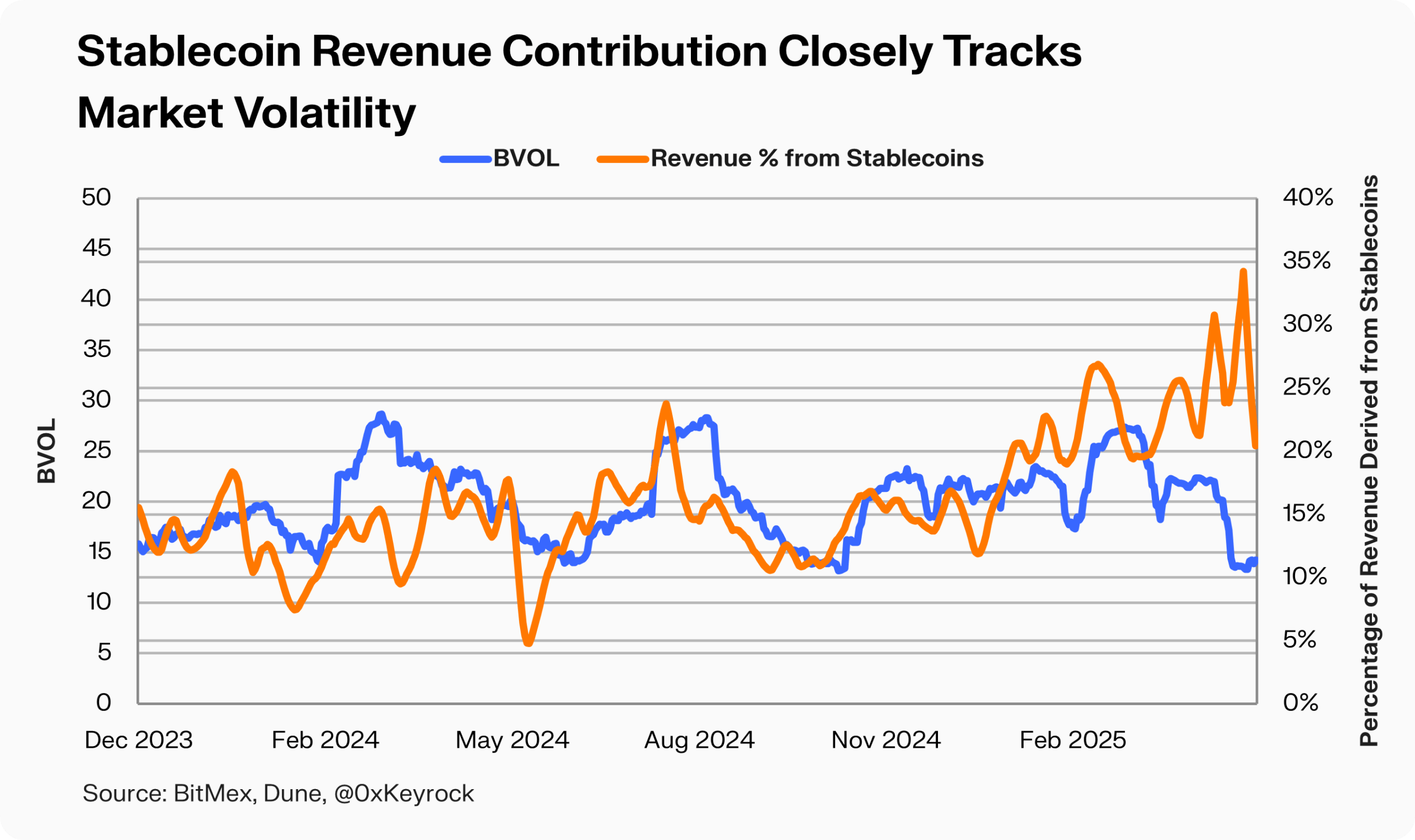
Regulatory status determines institutional viability. USDC and USDC-like assets benefit from clearer US regulatory frameworks, making them preferable for traditional finance integration. Offshore or algorithmic stablecoins carry higher compliance risks. Verify the issuer’s reserve composition and audit frequency against official primary sources before allocation.
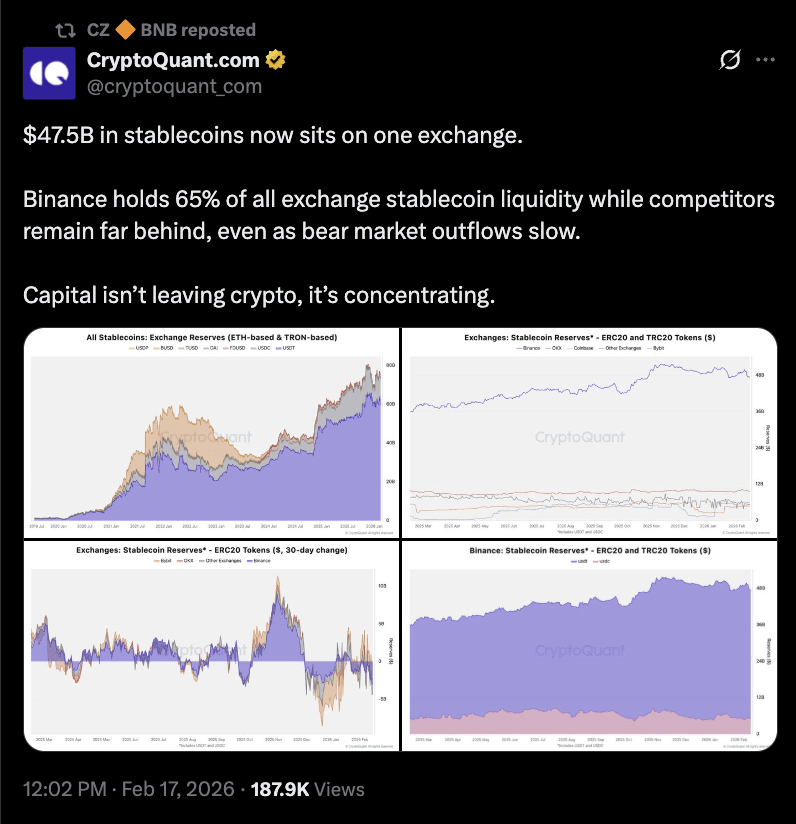
RWA yields are only realizable if you can enter and exit positions without slippage. Major stablecoins like USDT and USDC offer deep order books on institutional exchanges. Smaller or niche stablecoins may offer higher yields but suffer from fragmented liquidity. Test withdrawal speeds and minimum trade sizes during market stress scenarios.
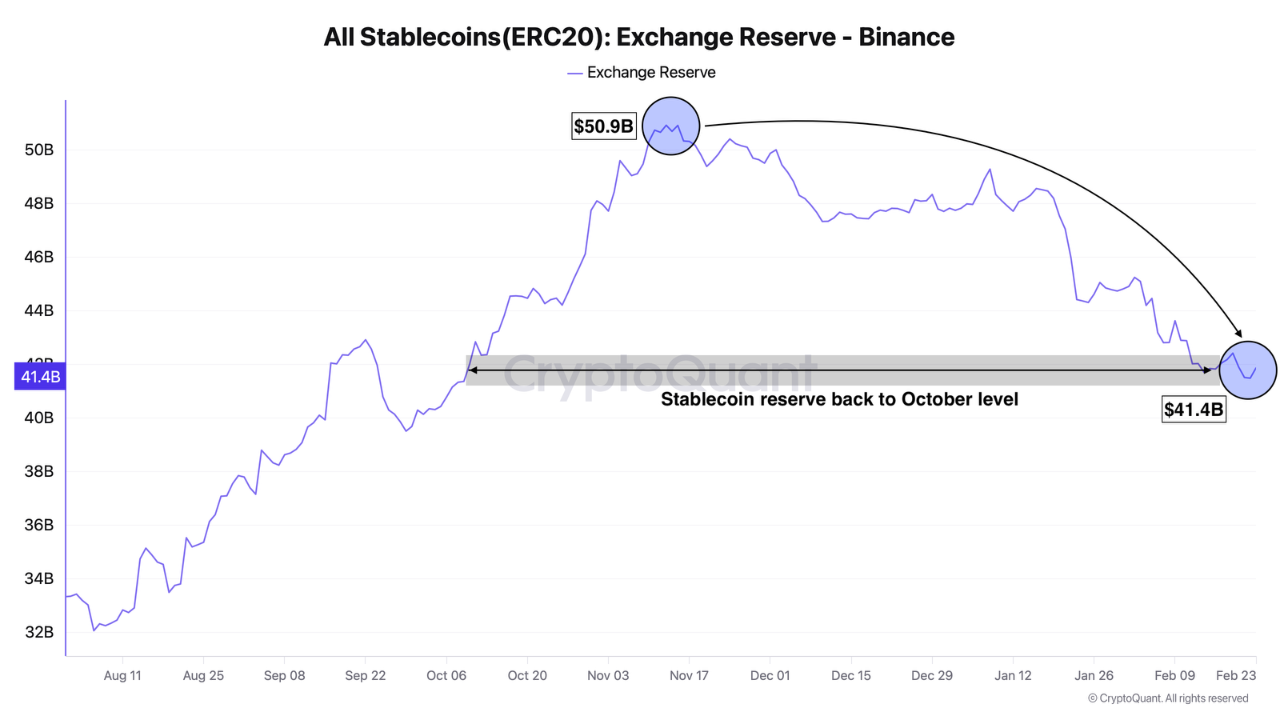
Not all yields are created equal. Distinguish between yield derived from on-chain lending, tokenized treasury bills, or proprietary trading strategies. The latter often carries hidden leverage risks. Prioritize protocols that disclose their underlying asset holdings and counterparty relationships. Transparency reduces the risk of yield decay during liquidity crunches.
| Feature | USDC | USDT | Sovereign CBDC |
|---|---|---|---|
| Regulatory Clarity | High | Medium | Highest |
| Liquidity Depth | Very High | Very High | Variable |
| Yield Potential | Moderate | Moderate-High | Low |
| Institutional Adoption | High | High | Emerging |
Spotting Weak Stablecoin Yields and Misleading Claims
The 2026 liquidity shift has turned stablecoins into payments infrastructure, but this transition has birthed a wave of misleading yield claims. As institutional flows reshape real-world asset (RWA) markets, distinguishing between genuine regulatory-compliant yields and unsustainable marketing is critical. Many platforms advertise returns that ignore the hidden costs of custody, liquidity fragmentation, or regulatory arbitrage.
The Trap of "Passive" RWA Yields
A common mistake is assuming that all tokenized treasury bills or commercial paper offer the same risk-adjusted return. In reality, yields vary significantly based on the issuer's credit quality and the liquidity terms attached to the token. Platforms often highlight the gross yield without disclosing the management fees or the counterparty risk embedded in the underlying asset. For instance, a 5% yield might sound attractive, but if the asset is illiquid or backed by a non-bank entity with weak reserves, the risk premium is often understated.
Red Flags in Institutional-Grade Products
When evaluating these products, look for transparency in the reserve composition. Legitimate institutional offerings provide regular attestations from recognized audit firms, detailing the exact nature of the underlying assets. If a platform promises high yields without clear, auditable backing, it is likely engaging in yield-stripping or relying on unsustainable fee structures. Additionally, beware of products that claim "instant redemption" while holding long-dated assets; this mismatch is a classic sign of structural weakness that can lead to liquidity crunches during market stress.
How to Verify Legitimate Yields
To avoid weak options, cross-reference the yield with the underlying asset's benchmark rate. If the tokenized asset is a U.S. Treasury bill, the yield should closely track the bill rate minus reasonable fees. Significant deviations often indicate hidden risks or unsustainable practices. Also, check if the platform is registered with relevant financial authorities, such as the SEC or local equivalents, as this provides a layer of regulatory oversight that protects investors from fraud. Always prioritize platforms that offer full transparency and regulatory compliance over those promising unusually high returns.
Stablecoin flows 2026: what to check next
As institutional capital moves into tokenized real-world assets, practical questions about liquidity, regulation, and yield stability dominate the conversation. The following answers address the most common objections and technical constraints facing treasury managers and financial operators in 2026.
These questions highlight the transition from theoretical potential to practical application. As the market matures, the focus will shift from volume growth to sustainable, regulated yield generation in real-world assets.
No comments yet. Be the first to share your thoughts!