
The 2026 stablecoin landscape
As of mid-2026, the stablecoin market has reached a total capitalization of approximately $313 billion, reflecting a 23% year-over-year increase. This growth underscores the continued institutional and retail reliance on digital assets pegged to fiat currencies. The vast majority of this volume—roughly 99%—is denominated in US dollars, cementing the dollar’s dominance in the digital asset economy.
The concentration of value in dollar-backed tokens highlights the sector’s role as a bridge between traditional finance and blockchain infrastructure. While other jurisdictions, including the UK, explore regulatory frameworks for digital assets, the US remains the primary driver of stablecoin issuance and liquidity. This dollar-centric model facilitates cross-border payments and serves as a foundational layer for emerging financial products, including tokenized real-world assets (RWA). The stability and liquidity provided by these dollar-denominated tokens continue to support broader market activity, even as regulatory scrutiny intensifies in key markets.
USDC and USDT flow patterns
The stablecoin market in 2026 has solidified into a dual-track system where USDC and USDT serve distinct liquidity roles. While the total stablecoin market cap reached approximately $313 billion in mid-2026, representing a 23% year-over-year increase, the distribution of usage between these two giants reveals a clear divergence in institutional versus retail preferences [1].
USDC has established itself as the preferred instrument for institutional settlement and regulated financial workflows. Its design aligns closely with compliance standards in the US and UK, making it the default choice for businesses integrating stablecoins into traditional accounting and treasury operations. This institutional preference is driven by transparency requirements and the regulatory clarity provided by its primary issuers, facilitating smoother integration with fiat rails.
Conversely, USDT dominates in global retail liquidity and cross-border remittances. It is the primary vehicle for moving value across borders in regions where traditional banking infrastructure is less accessible or more costly. The sheer volume of USDT transactions highlights its role as a practical tool for everyday liquidity management, particularly in emerging markets where speed and accessibility outweigh the need for strict institutional compliance frameworks [2].
This divergence impacts Real-World Asset (RWA) settlement significantly. RWAs, which bridge traditional finance with blockchain, often settle on USDC due to its regulatory alignment and institutional backing. However, the liquidity provided by USDT ensures that secondary markets remain deep and accessible, creating a symbiotic relationship where USDC provides the regulatory backbone and USDT provides the fluid liquidity.
| Feature | USDC | USDT |
|---|---|---|
| Primary User Base | Institutions & Corporates | Retail & Global Remittance |
| Regulatory Focus | US/UK Compliance | Global/Less Restrictive |
| RWA Settlement | Preferred for Settlement | Secondary Liquidity |
| Market Cap Role | Stable Institutional Anchor | High-Volume Liquidity Driver |
The interplay between these two assets defines the current landscape. As RWAs continue to grow, the reliance on USDC for compliant settlement will likely increase, while USDT will remain the backbone of global retail liquidity. Understanding this dynamic is essential for managing the regulatory and operational complexities of stablecoin flows in 2026.
Regulatory shifts reshaping flows
The regulatory landscape for stablecoins in 2026 is defined by the implementation of the U.S. GENIUS Act and the parallel development of frameworks in the United Kingdom. These legislative milestones are no longer theoretical; they are actively reshaping how institutional capital moves through real-world asset (RWA) markets. The passage of the GENIUS Act in the U.S. has established a clear regulatory baseline for stablecoins, transforming them from speculative instruments into compliant payment rails [src-serp-6].
This shift has immediate consequences for liquidity flows. New global stablecoin rules are accelerating adoption by providing the legal certainty institutions require to hold digital assets on balance sheets. As noted by the Payments Association, these rules are specifically shaping demand for U.S. debt, as issuers must back stablecoins with high-quality liquid assets [src-serp-4]. This requirement forces a direct link between stablecoin supply and traditional Treasury yields, creating a new channel for capital formation.
The United Kingdom is responding to this U.S. momentum by finalizing its own stablecoin framework in 2026. The pressure to align with or exceed U.S. standards is driving UK regulators to finalize rules that facilitate cross-border RWA compliance. This harmonization reduces friction for global financial institutions, allowing them to deploy stablecoins for settlement and collateralization with reduced regulatory risk.
Key regulatory milestones
The transition to a regulated stablecoin economy in 2026 follows a clear timeline. The following milestones mark the critical regulatory shifts driving current flows:
-
2025: U.S. GENIUS Act passes, establishing federal oversight for stablecoin issuers and reserve requirements.
-
Late 2025: Major U.S. banks begin integrating stablecoin payment rails for cross-border settlements.
-
2026: UK Treasury finalizes stablecoin framework, aligning with FCA standards for consumer protection.
-
2026: Global standardization efforts converge, allowing seamless RWA tokenization across jurisdictions.
These regulatory anchors are not just compliance hurdles; they are the infrastructure for the next phase of financial innovation. By standardizing how stablecoins are issued and backed, regulators have inadvertently created a more efficient market for real-world assets. Institutions are now able to move capital with the speed of crypto and the certainty of traditional finance.
Tokenized Real-World Assets as a Liquidity Sink
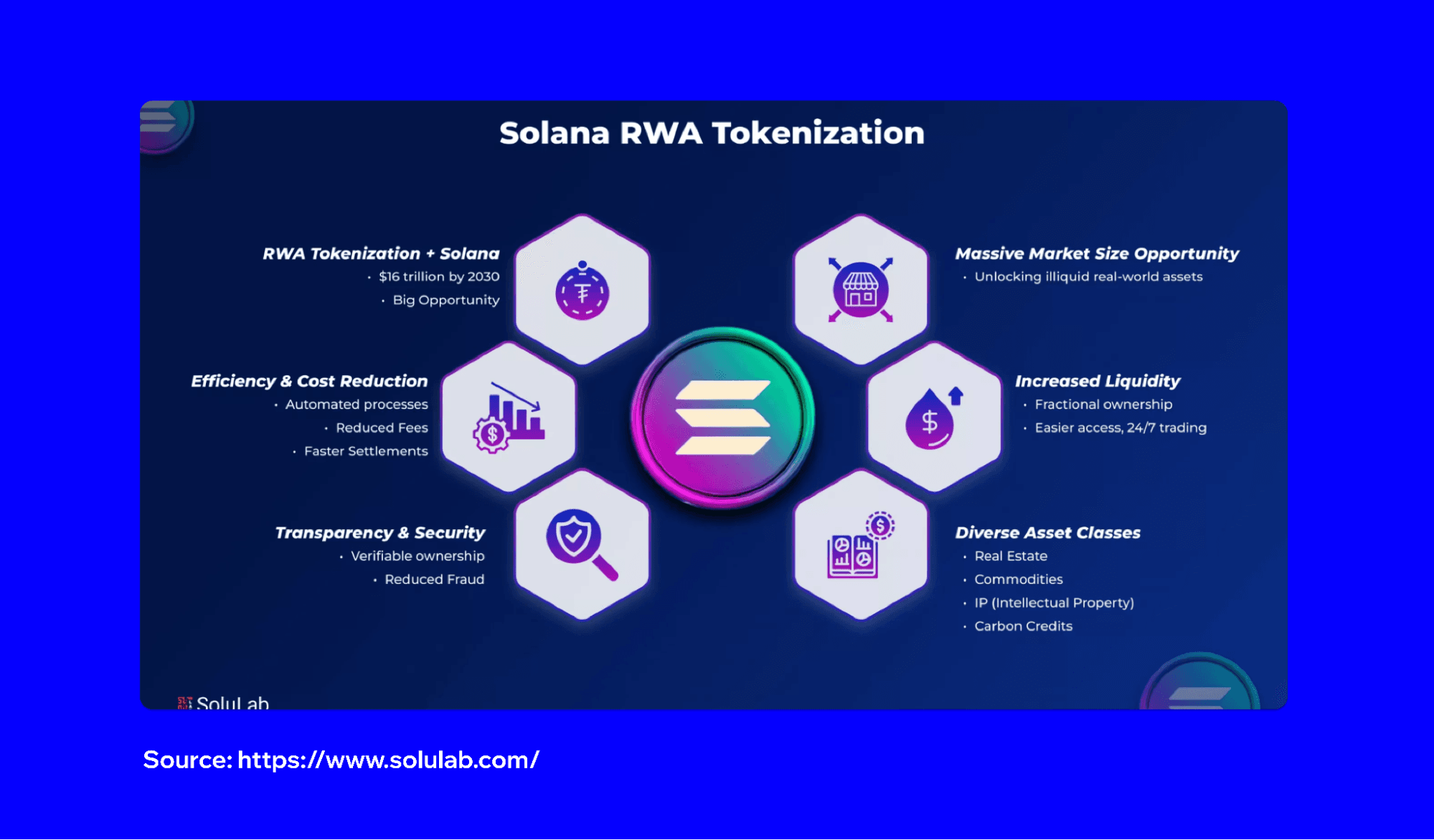
Stablecoin liquidity is moving beyond simple payments into a yield-bearing layer anchored by tokenized real-world assets (RWAs). In 2026, this shift creates a direct bridge between crypto-native capital and traditional financial instruments, including U.S. Treasury bills and commercial real estate. This deployment transforms stablecoins from passive settlement tools into active yield generators.
The addressable market for stablecoin cross-border payments stands at approximately $17.9 trillion, according to market sizing data published by Forbes in March 2026. Within this vast ecosystem, tokenized RWAs serve as a critical liquidity sink. They absorb excess stablecoin supply by offering regulated, yield-bearing alternatives to holding idle USDC or USDT. This dynamic stabilizes demand and reduces reliance on volatile speculative trading for price support.
In the US and UK, regulatory frameworks are increasingly accommodating this integration. Financial institutions are leveraging blockchain infrastructure to tokenize bonds and property, allowing stablecoin holders to earn returns without leaving the digital asset layer. This development aligns with broader trends showing that 56% of stablecoin holders plan to increase their holdings in the coming year, driven by the desire for tangible yield rather than pure speculation.
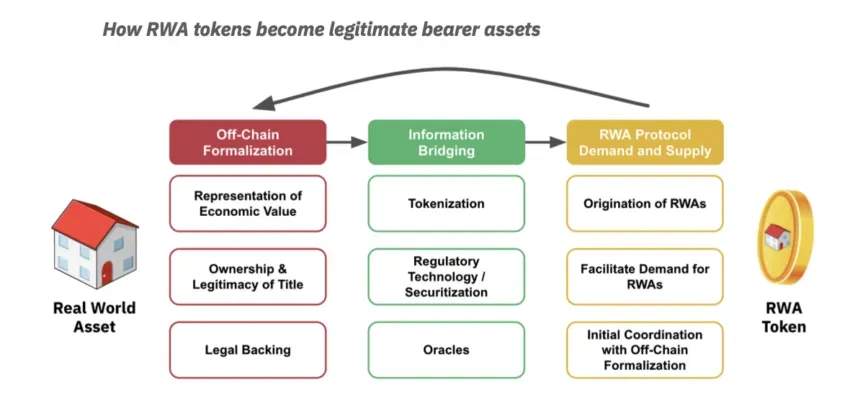
This convergence marks a structural change in the crypto economy. As traditional assets become programmable, stablecoin flows will increasingly target these tokenized pools. The result is a more mature market where liquidity is deployed efficiently, bridging the gap between decentralized finance and regulated global capital markets.
Compliance and risk management
As stablecoins move from speculative assets to operational infrastructure in 2026, institutions managing USDC and USDT flows face heightened regulatory scrutiny in the US and UK. Treating these digital asset movements with the same rigor as traditional banking transactions is no longer optional. According to Stripe’s 2026 analysis of stablecoin trends, institutions must implement strict verification, multisig approvals, comprehensive audits, and continuous wallet monitoring to mitigate high-stakes regulatory risk.
The following checklist outlines the essential controls for managing stablecoin compliance in the current regulatory landscape.
Verify the origin and destination of every transaction. In 2026, US and UK regulators expect institutions to screen counterparties against updated sanctions lists and perform enhanced due diligence on large transfers. This step prevents accidental exposure to illicit funds and ensures alignment with anti-money laundering (AML) frameworks.
Require multiple cryptographic signatures for any significant stablecoin movement. By distributing control across several authorized parties, institutions reduce the risk of single-point failure, whether from internal error or external compromise. This control is a standard expectation for institutional custody in both the US and UK markets.
Schedule independent audits of stablecoin reserves and internal control procedures. These audits verify that token supply matches underlying assets and that compliance protocols are functioning correctly. In 2026, transparent audit reports are increasingly viewed as a prerequisite for maintaining banking partnerships and regulatory standing.
Deploy continuous monitoring tools to track wallet activity and flag anomalies immediately. Real-time alerts allow compliance teams to freeze suspicious transactions before they are finalized. This proactive stance demonstrates to regulators that the institution maintains active oversight of its digital asset exposure.
Implementing these controls creates a defensible posture against regulatory action. Institutions that treat stablecoin flows as standard financial obligations rather than experimental transactions will manage the 2026 regulatory environment with greater stability.
No comments yet. Be the first to share your thoughts!