
Stablecoin flows 2026
Institutional capital is actively rotating from legacy USDT dominance toward tokens backed by real-world assets (RWA). This shift is not merely speculative; it reflects a structural change in how enterprises manage liquidity. The primary driver is the demand for yield-bearing stablecoins that offer regulatory clarity and transparent collateralization, moving beyond the pure transactional utility of USDT.
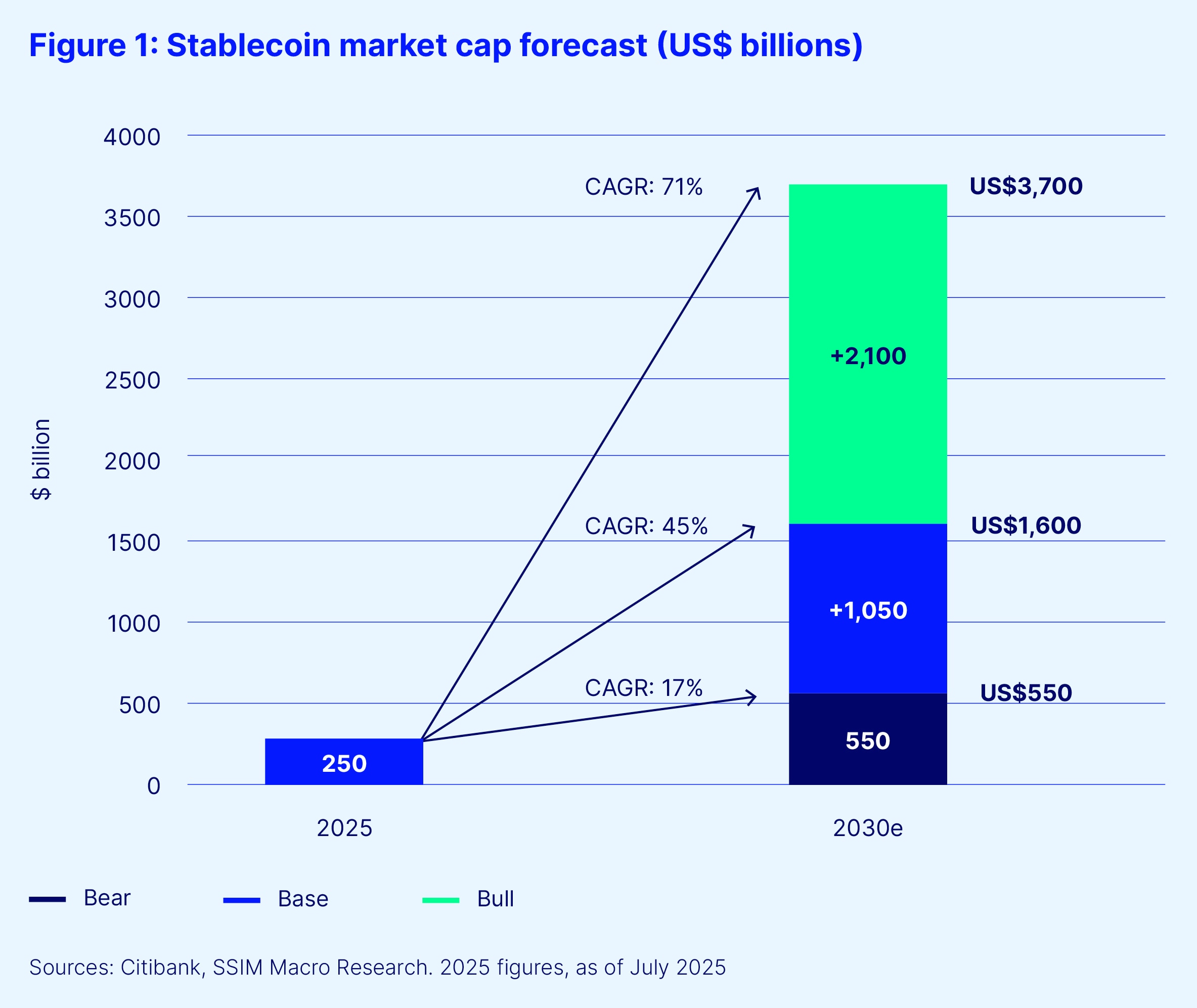
The total addressable market for stablecoin cross-border payments has expanded to over $17.9 trillion, according to recent market sizing data. This scale provides the infrastructure for massive institutional inflows. However, the velocity of these flows is changing. Half of stablecoin holders have increased their holdings in the last 12 months, and 56% plan to acquire more, signaling strong institutional confidence in the asset class as a global payment rail.
As stablecoins become the "internet's dollar," the distinction between payment tokens and yield-generating RWA tokens is blurring. Institutions are no longer just holding USDT for settlement; they are deploying capital into tokenized treasuries and money market funds. This transition creates a new flow dynamic where capital seeks both stability and return, fundamentally altering the competitive landscape for USDT and its rivals.
Stablecoin tradeoffs in 2026: USDT, USDC, and RWA-backed tokens
The 2026 stablecoin landscape is no longer a binary choice between pure fiat-backed tokens and experimental alternatives. Institutional capital is shifting toward real-world asset (RWA)-backed tokens, which offer yield-bearing utility alongside dollar stability. This migration is driven by clearer global regulations and the immediate efficiency gains in cross-border payments, B2B settlements, and treasury operations.
While stablecoins remain a modest 1% of global payment flows, their absolute volume is surging. This growth is not uniform. The decision to move capital from legacy giants like USDT to newer, yield-generating RWA tokens depends on specific operational needs: regulatory compliance, yield generation, and settlement speed.
| Feature | USDT | USDC | RWA-Backed |
|---|---|---|---|
| Yield Generation | Low | Low | High |
| Regulatory Clarity | Medium | High | High |
| Cross-Border Speed | Fast | Fast | Fast |
| Liquidity Depth | Maximum | High | Growing |
| Primary Use Case | Trading/Liquidity | Compliance/Treasury | Institutional Yield |
Liquidity vs. Yield
USDT remains the most liquid stablecoin, making it the default for trading and high-frequency settlements. However, it offers minimal yield, forcing institutions to manage idle cash separately. USDC provides a compliant alternative with similar liquidity but still lacks native yield generation. RWA-backed tokens bridge this gap by tokenizing real-world assets like government bonds, allowing institutions to earn yield while maintaining dollar stability.
Regulatory Compliance
Regulatory clarity is a major factor in 2026. USDC is widely regarded as the most compliant option due to its transparent reserve structure and adherence to global standards. USDT has improved its transparency but still faces scrutiny in certain jurisdictions. RWA-backed tokens benefit from the same regulatory frameworks as their underlying assets, providing a clear legal structure for institutional adoption.
Settlement Efficiency
All three options offer fast cross-border settlement, but RWA-backed tokens add a layer of efficiency by eliminating the need for separate yield management. This is particularly valuable for treasury operations, where institutions can hold cash in stablecoins that automatically generate returns without requiring manual rebalancing.
How to choose between USDT and RWA-backed tokens
The 2026 stablecoin landscape is shifting from pure payment rails to yield-generating asset backings. Institutional capital is increasingly favoring Real World Asset (RWA) tokens for treasury management, while USDT remains the dominant medium for cross-border liquidity. Choosing the right vehicle depends on your primary operational need: speed or yield.
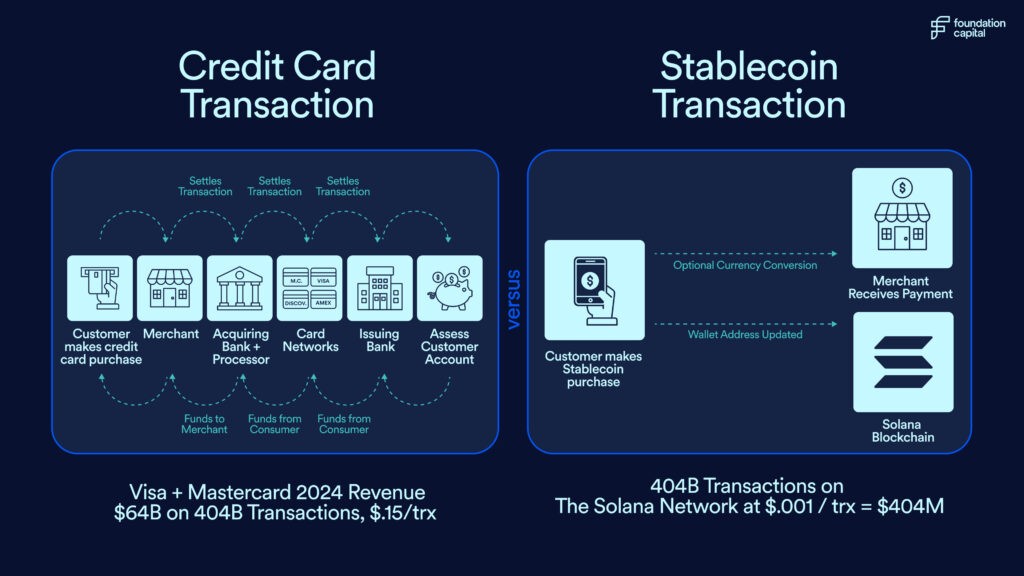
For immediate cross-border transfers and high-frequency trading, USDT offers unparalleled liquidity and network support. It is the default choice for moving value across borders where speed is the primary metric, leveraging a total addressable market of over $17.9tn in payments infrastructure.
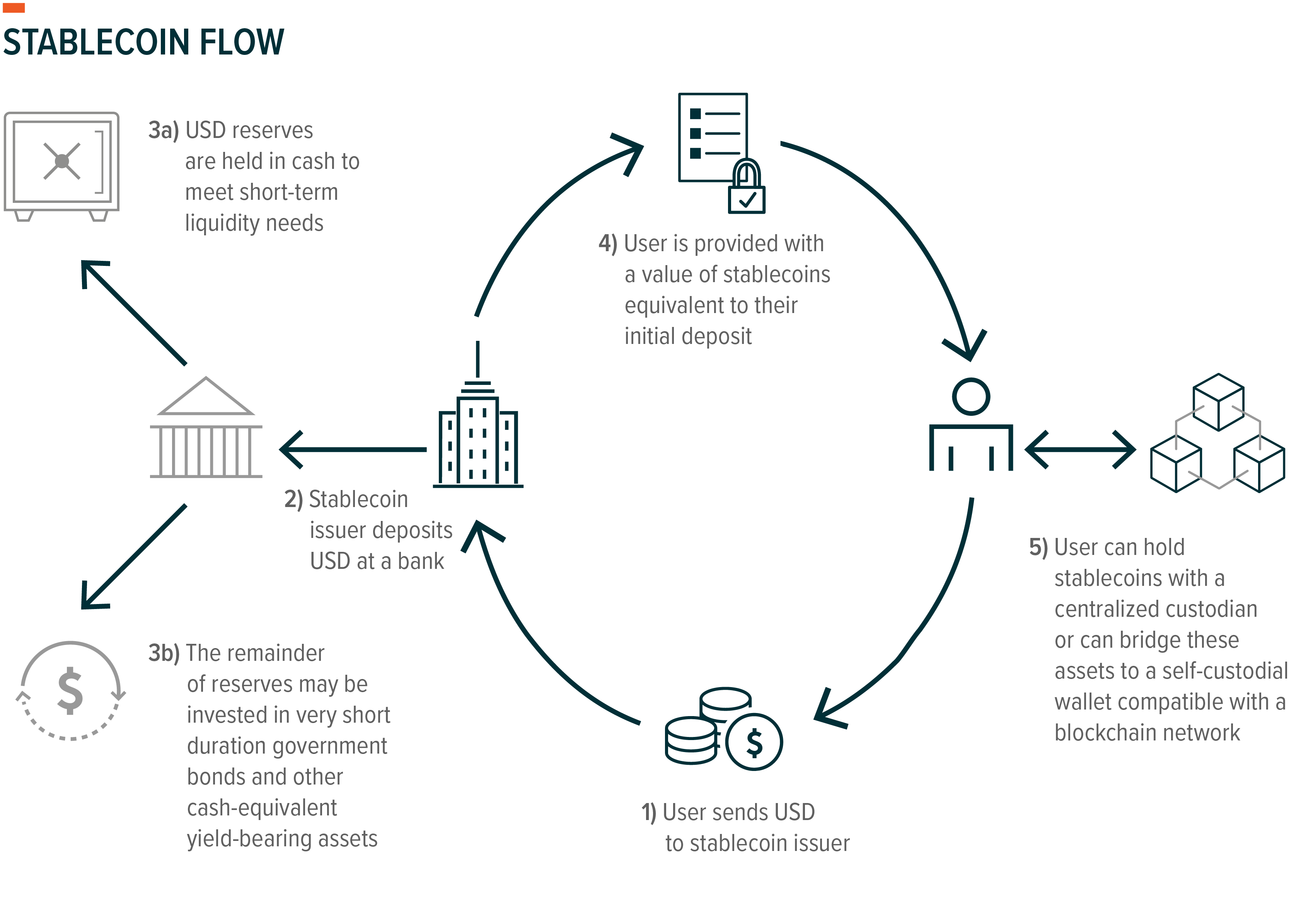
If your goal is to generate yield on idle corporate cash, RWA-backed tokens are the superior option. These tokens are backed by tangible assets like treasury bills or real estate, offering a direct yield mechanism that USDT does not provide. This shift is driven by clearer regulations and enterprise adoption for treasury operations.
Institutional compliance often dictates the choice. USDT is widely accepted but faces varying regulatory scrutiny in different jurisdictions. RWA tokens, while growing, require careful due diligence on the underlying asset custodian and the legal structure of the token. Ensure your legal team has reviewed the specific RWA issuer's compliance record.
Before executing large trades, compare the order book depth. USDT generally has tighter spreads due to its massive volume. RWA tokens may have deeper yields but higher slippage on large orders. Use a
to analyze recent volume trends and ensure your trade size fits the market capacity.| Feature | USDT | RWA Tokens |
|---|---|---|
| Primary Use | Payments & Liquidity | Yield & Treasury |
| Yield | None | Asset-Backed |
| Liquidity | High | Medium |
| Regulatory Clarity | Variable | Evolving |
The decision is not about which is "better" globally, but which fits your specific operational box. Use USDT for moving money; use RWAs for keeping it growing.
Spotting Misleading Claims and Weak Options
The shift from USDT to Real-World Asset (RWA) tokens is real, but the narrative is crowded with noise. Institutional money is moving, but not blindly. You need to separate genuine yield from fabricated stability. Here is how to identify weak options and misleading claims in the 2026 stablecoin landscape.
The "Yield" Mirage
Many RWA tokens promise high yields by bundling USDT with underlying assets. This creates a false sense of security. The yield often comes from the underlying asset's volatility, not the stablecoin itself. If the RWA defaults, the stablecoin peg breaks. Always check the reserve composition. Look for audited, transparent reserves, not vague "asset-backed" claims.
Liquidity Traps
USDT dominates because of its deep liquidity. New RWA-backed tokens often lack this. When markets turn, you might not be able to exit at the peg. This is a critical tradeoff. Higher yield often means lower liquidity. Assess the trading volume and order book depth before committing capital. A token with no buyers is worthless, regardless of its underlying assets.
Regulatory Gray Zones
USDT operates in a complex regulatory environment. Newer RWA tokens may claim full compliance, but this is often unverified. Check for explicit regulatory approvals from major jurisdictions like the US, EU, or Singapore. Avoid tokens that rely on offshore structures with opaque oversight. Regulatory crackdowns can freeze assets instantly.
Common Mistakes
- Assuming All RWAs Are Equal: Not all real-world assets are created equal. Treasury bills are safer than private credit.
- Ignoring Gas Fees: High gas fees on newer chains can eat into small yields.
- Overconcentration: Putting too much capital into a single RWA protocol increases risk.
The Verdict
Stick to established players with proven track records. USDT remains the king of liquidity and adoption. RWA tokens offer yield, but they come with higher risk and lower liquidity. Diversify, but prioritize safety and transparency over flashy promises.
| Feature | USDT | RWA Tokens |
|---|---|---|
| Liquidity | High | Variable |
| Yield | Low | High |
| Risk | Medium | High |
| Regulation | Complex | Varies |
Stablecoin flows 2026: what to check next
These flows represent a shift from speculation to utility. As regulations tighten, institutional money is moving toward audited, RWA-backed tokens that offer both yield and compliance. The landscape is no longer just about holding tokens; it is about using them as a functional layer for global liquidity.
No comments yet. Be the first to share your thoughts!