
Total stablecoin supply holds near $270B
The total stablecoin market cap has stabilized near the $270 billion mark, holding steady between $269 billion and $270 billion as of mid-January 2026. This consolidation follows a period of volatility, signaling that the broader digital asset liquidity ecosystem has found a temporary equilibrium. While individual token dynamics continue to shift, the aggregate supply remains a reliable barometer for institutional and retail participation in the crypto economy.
USDT (Tether) continues to dominate this total supply, maintaining its position as the primary vehicle for liquidity. However, the gap between USDT and USDC is narrowing as USDC gains ground in regulated environments. This shift suggests that while volume still favors Tether, trust and compliance are driving incremental demand for Circle's USDC.
To understand the current market structure, it is helpful to look at the longer-term trend rather than daily fluctuations. The following chart visualizes the total stablecoin market capitalization over the last 12 months, highlighting the recent plateau near $270 billion.
USDT dominance faces USDC structural gains
Tether (USDT) retains its crown for total volume and retail liquidity, but USDC is steadily capturing the institutional and regulated market share that defines the 2026 stablecoin landscape. While USDT remains the primary vehicle for high-frequency trading and global retail transfers, USDC’s growth is anchored in its regulatory clarity and integration with traditional finance. This shift reflects a broader industry move toward transparency, with USDC positioned as the preferred stablecoin for institutional custody and real-world asset (RWA) settlement.
The divergence is clear when comparing their core strengths. USDT offers unmatched liquidity in decentralized exchanges and emerging markets, while USDC provides the compliance framework that banks and asset managers require. This structural advantage allows USDC to integrate seamlessly with traditional financial rails, making it the go-to choice for institutional flows.
| Feature | USDT | USDC | 2026 Edge |
|---|---|---|---|
| Market Cap | ~$120B | ~$85B | USDT |
| Primary Use | Retail & Trading | Institutional & RWA | USDC |
| Regulatory Status | Mixed jurisdictions | US-regulated (Circle) | USDC |
| Transparency | Quarterly attestations | Monthly proofs | USDC |
The rise of USDC is not just about market cap; it is about the quality of the flows. As regulatory frameworks like the US stablecoin rules take effect, issuers with clear legal status gain a competitive edge. USDC’s alignment with these standards positions it for continued growth in institutional adoption, even as USDT maintains its lead in raw volume. This dynamic creates a bifurcated market where each stablecoin serves a distinct, critical role in the digital asset ecosystem.
Real-world assets drive new liquidity channels
The integration of real-world assets (RWA) is reshaping stablecoin flows by creating new, tangible inflow channels. This shift moves digital dollars from purely speculative vehicles into yield-bearing settlement layers that interact directly with traditional finance. As tokenized treasuries and commercial paper settle on-chain, liquidity no longer just circulates within crypto; it bridges into global capital markets.
This structural change has measurable macroeconomic consequences. A 2026 International Monetary Fund (IMF) study developed novel measures to identify the causal effects of stablecoin adoption on U.S. financial markets, confirming that shocks in this sector now ripple through traditional liquidity pools. The IMF finding underscores that stablecoin shocks now have measurable causal effects on U.S. financial markets, transforming them from isolated digital experiments into systemic financial infrastructure.
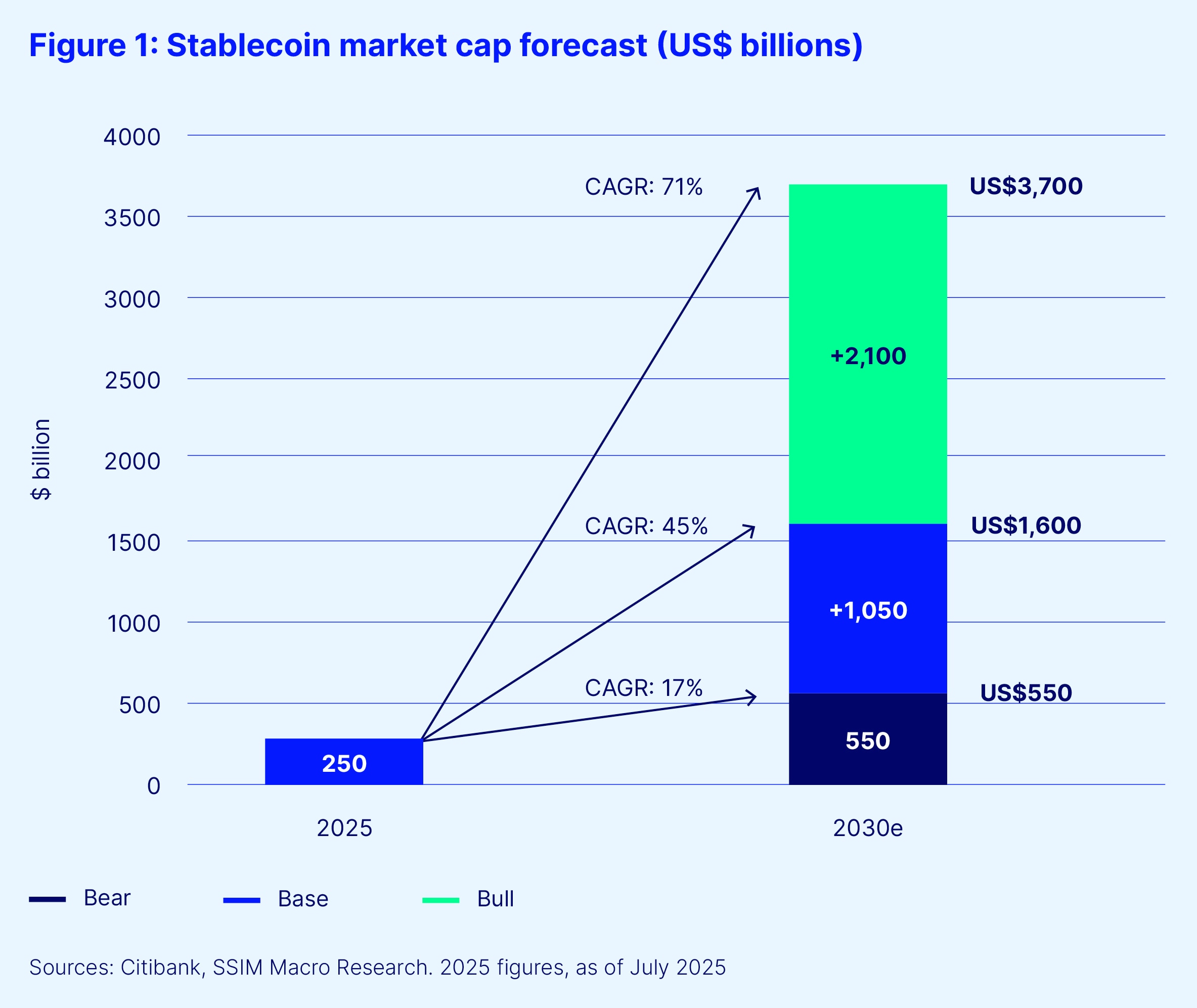
Institutional players are accelerating this transition. Deutsche Bank’s 2026 outlook highlights the rise of legally defined “permitted stablecoin issuers,” a regulatory framework that enables banks to integrate stablecoins into standard securities services. This legal clarity allows RWA-backed stablecoins to function as efficient collateral, driving volume shifts between major networks like USDC and USDT as they compete for these new settlement roles.
As RWA adoption grows, the distinction between crypto and traditional liquidity blurs. Stablecoins are becoming the plumbing for tokenized assets, requiring robust, compliant channels to handle the increased volume. This evolution suggests that future liquidity shifts will be driven less by retail speculation and more by the institutional demand for efficient, yield-generating settlement layers.
Cross-border payments move from theory to practice
The narrative around stablecoins has shifted from speculative pilots to operational infrastructure. In 2026, the focus is no longer on whether stablecoins can move money across borders, but on how they do it at scale. Major payment processors and fintech platforms have integrated USDC and USDT into their core rails, turning what was once an experimental feature into a standard utility for global liquidity.
This transition is driven by the need for speed and cost efficiency. Traditional SWIFT transfers can take days and incur significant fees, especially for smaller transactions. Stablecoins offer near-instant settlement at a fraction of the cost. As noted by industry analysts, 2026 marks the year stablecoins "go to work," becoming a practical tool for moving liquidity under tighter regulatory scrutiny Thunes.
The infrastructure supporting these payments has matured. Compliance checks are now automated, and liquidity pools are deeper, reducing slippage for larger transfers. Businesses are no longer treating stablecoins as a side channel but as a primary method for cross-border settlements. This operational shift is evident in the growing volume of stablecoin flows, which now rival traditional remittance corridors in key markets.
The move to practice also means greater integration with fiat on-ramps and off-ramps. Banks and non-bank payment institutions are building direct bridges between traditional banking systems and stablecoin networks. This reduces the friction for end-users, who can now send and receive value without needing to understand the underlying blockchain technology. The result is a more seamless experience that leverages the efficiency of crypto while maintaining the familiarity of traditional finance.
Regulation tightens compliance and verification
The regulatory landscape for stablecoins has shifted from theoretical frameworks to enforced operational standards in 2026. Issuers can no longer rely on trust alone; they must demonstrate rigorous internal controls to maintain liquidity and market confidence. This shift is reshaping how USDC and USDT manage their reserves and user verification processes.
New global rules are accelerating adoption while simultaneously raising the barrier to entry. As noted by the Payments Association, these regulations are reshaping payments by pressuring jurisdictions like the UK to finalize their own frameworks, creating a more unified global standard. For issuers, this means adopting stricter verification protocols, multisig approvals, and regular audits to comply with emerging financial laws.
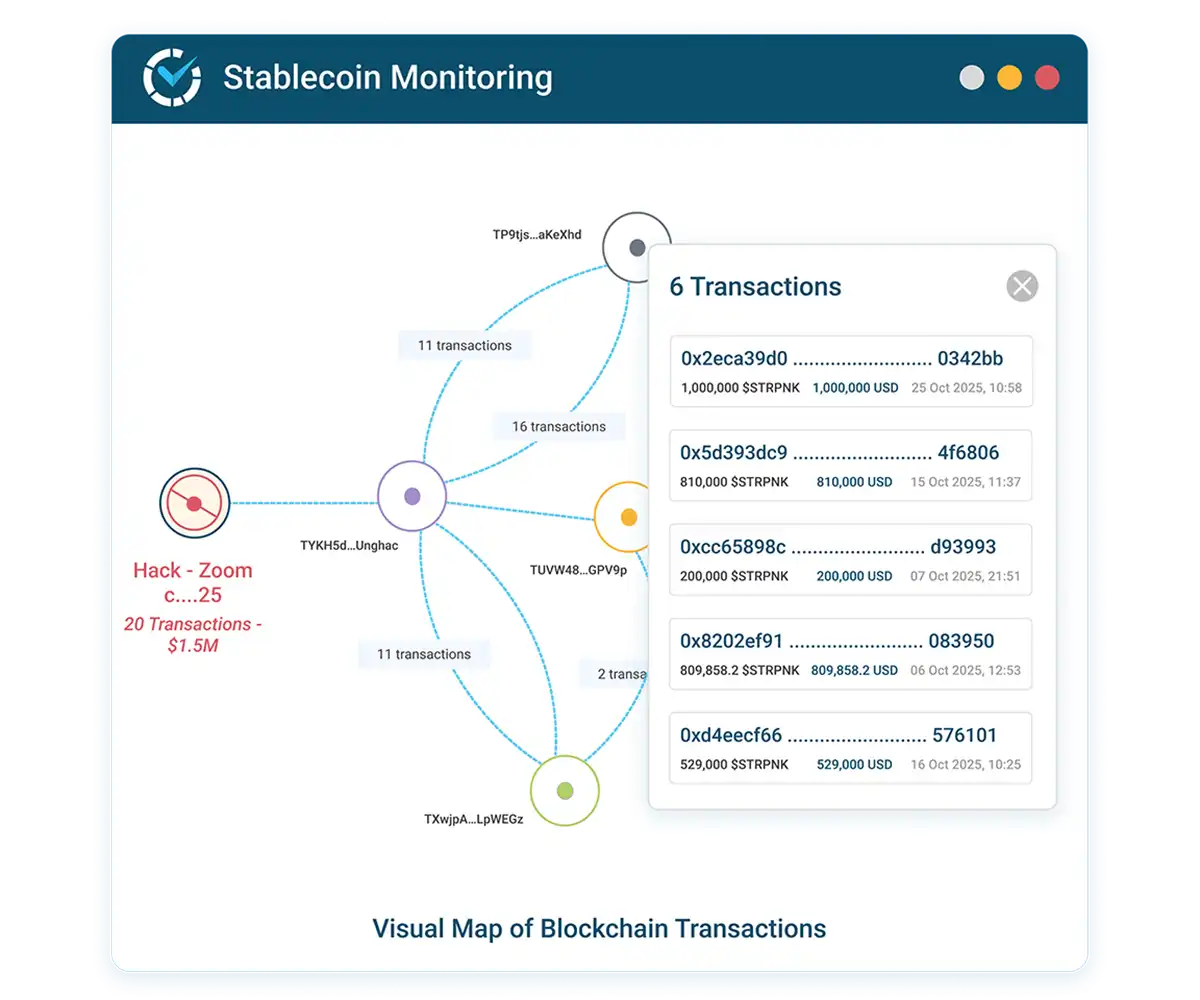
Stripe’s 2026 industry analysis emphasizes that stablecoin flows must be treated with the same scrutiny as traditional sensitive financial processes. This involves implementing wallet monitoring and comprehensive audit trails. For businesses and users, this regulatory tightening reduces counterparty risk but adds layers of complexity to transactions.
No comments yet. Be the first to share your thoughts!