
Stablecoin flows 2026
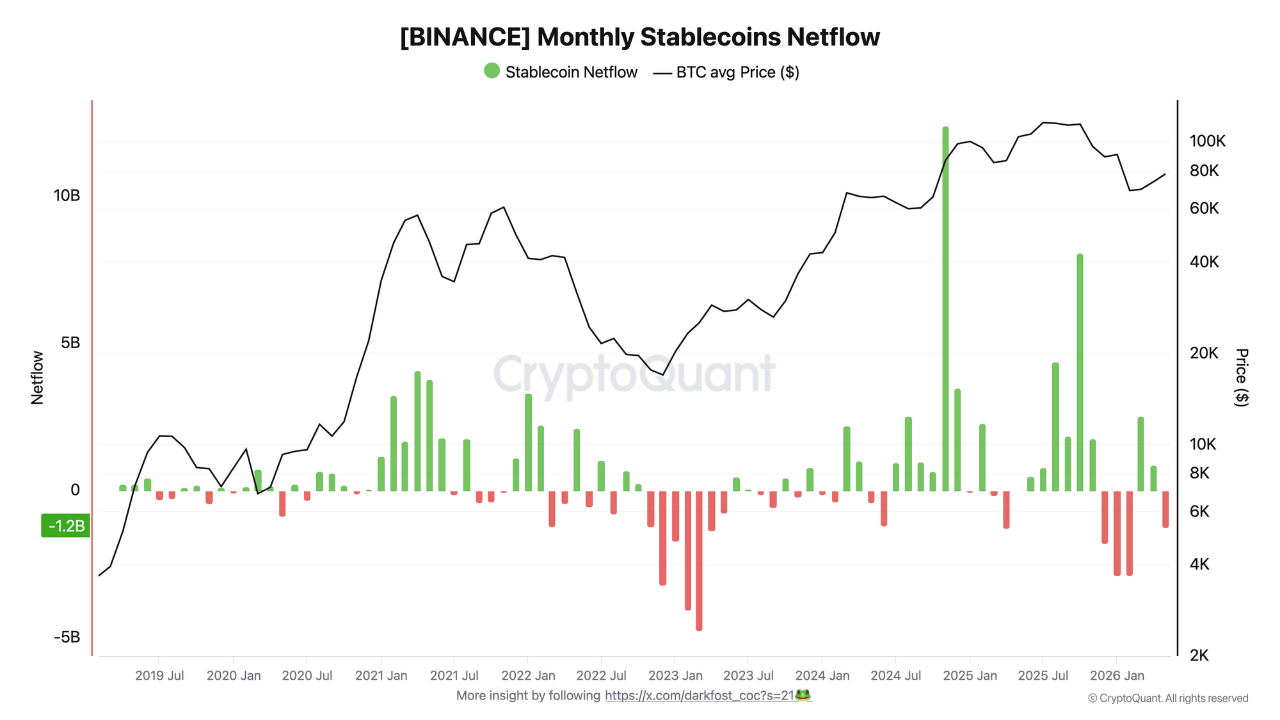
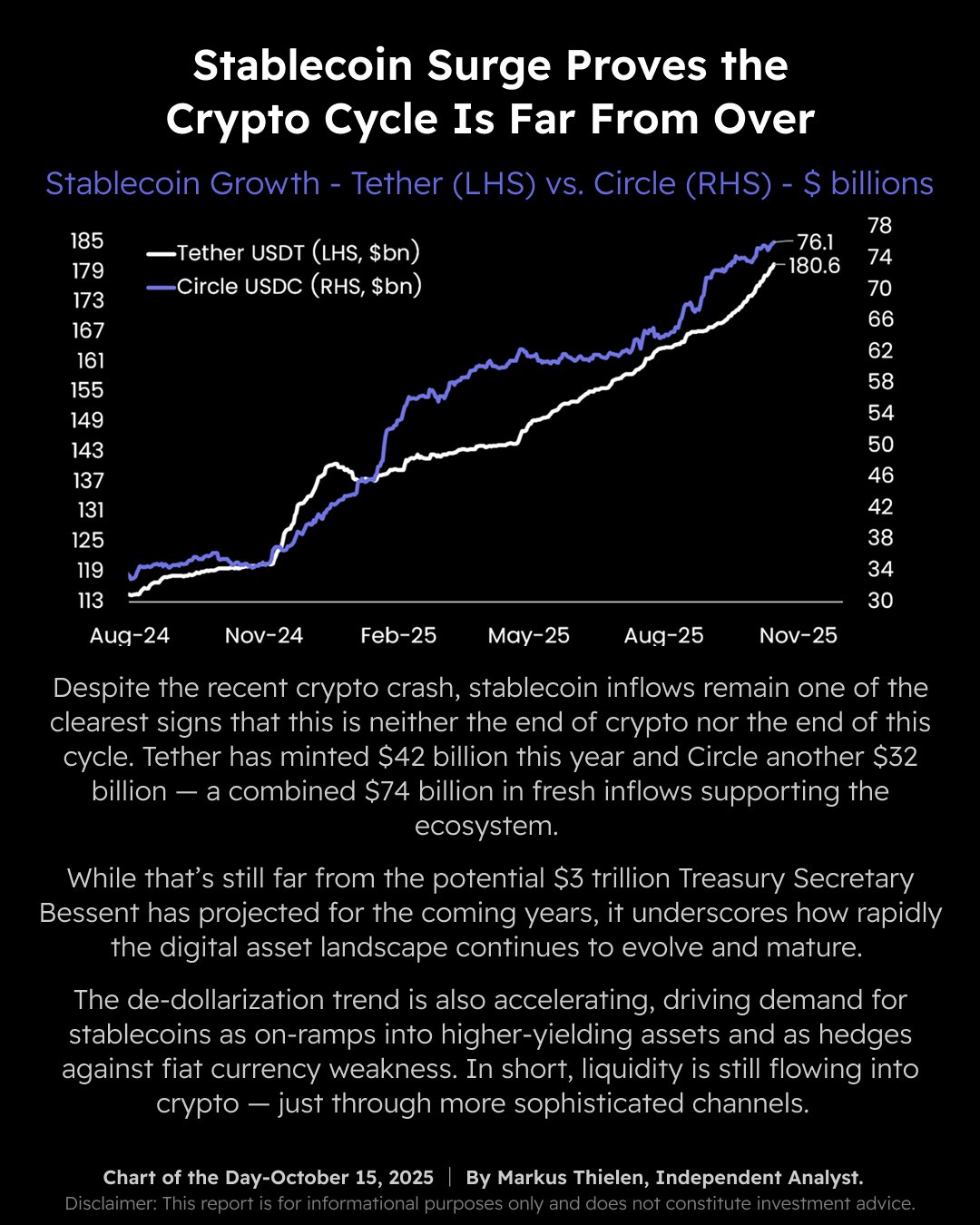
The 2026 stablecoin landscape is defined by a sharp divergence between retail accumulation and institutional deployment. According to BVNK’s 2026 Utility Report, 56% of holders plan to increase their stablecoin holdings in the next 12 months, signaling a structural shift toward using digital dollars as a primary treasury asset rather than a temporary parking spot for speculation [1]. This isn't just about holding; it's about deployment.
Institutional flows are reshaping DeFi yields by demanding predictable, regulatory-compliant returns. Stripe’s 2026 trends analysis highlights that businesses are no longer satisfied with volatile yield farming strategies. Instead, they are migrating capital into stablecoin designs that offer embedded compliance features and direct integration with traditional payment rails [2]. This migration is squeezing out low-quality liquidity and concentrating capital in protocols that can prove their reserve integrity and legal standing.
For DeFi participants, this means the era of "yield at all costs" is ending. The new baseline requires understanding which stablecoins are actually moving institutional money. Protocols that fail to align with these institutional requirements risk losing the deep liquidity pools that sustain high yields. The flows are real, and they are changing the risk profile of every DeFi strategy.
Stablecoin flows 2026 choices that change the plan
In 2026, the stablecoin market is shifting from a speculative asset class to a foundational settlement layer for global finance. As institutional capital floods into digital dollar infrastructure, the choice of stablecoin is no longer just about price stability—it is about yield efficiency, regulatory compliance, and operational speed. The decision now hinges on how different tokens handle liquidity fragmentation and cross-border friction.
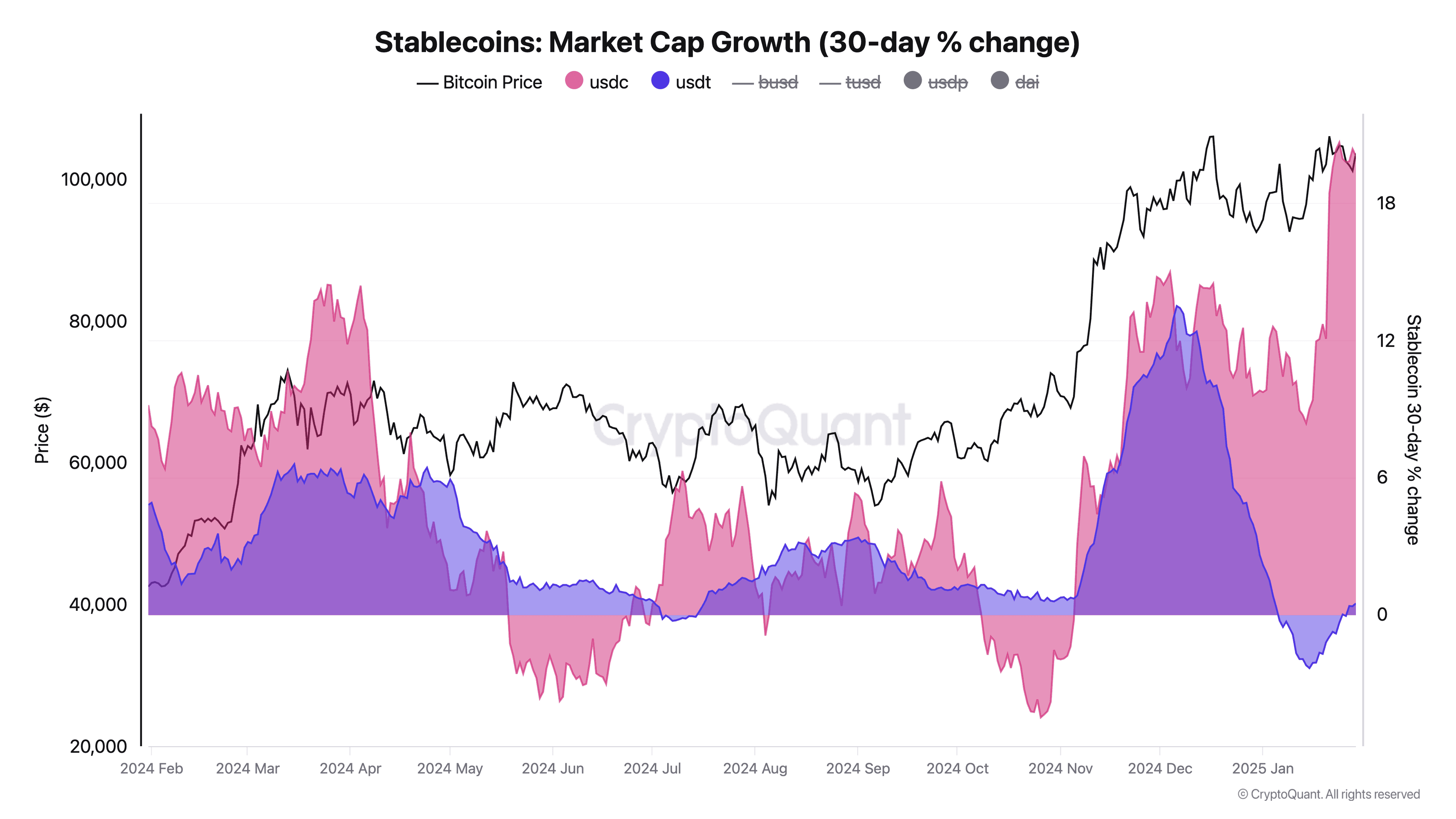
When evaluating stablecoin flows, you must weigh the tradeoff between centralized convenience and decentralized transparency. USDC and USDT dominate institutional custody due to established banking rails, while USDS and DAI offer algorithmic or multi-collateral resilience that appeals to risk-averse treasury managers. The table below breaks down the core metrics that drive these decisions.
| Token | Issuer Type | Primary Yield Source | Regulatory Risk |
|---|---|---|---|
| USDC | Circle (Regulated) | Treasury Bills | Low |
| USDT | Tether (Private) | Commercial Paper | Medium |
| USDS | MakerDAO (Decentralized) | RWA Collateral | Low-Medium |
| DAI | MakerDAO (Decentralized) | Crypto & RWA | Medium |
The choice between these assets depends heavily on your specific use case. For high-volume payroll or B2B payments, USDC’s regulatory clarity reduces legal overhead, making it the preferred choice for enterprises navigating strict compliance frameworks. However, for DeFi-native yield farming or cross-border remittances where speed is paramount, USDT’s deeper liquidity pools often result in lower slippage and faster settlement times.
Ultimately, the "best" stablecoin is determined by your risk tolerance and operational needs. If you prioritize regulatory safety and institutional-grade reporting, USDC is the standard. If you need maximum liquidity and are willing to accept counterparty risk, USDT remains the dominant force. For those seeking exposure to real-world asset yields without centralized intermediaries, decentralized options like USDS offer a compelling, albeit more complex, alternative.
Choose the Right Stablecoin Strategy for 2026
Institutional flows are reshaping DeFi yields, moving capital away from generic liquidity pools toward structured, yield-bearing stablecoin instruments. As of 2026, over half of stablecoin holders plan to acquire more, but the how matters more than the how much. The shift is driven by regulatory clarity and the rise of tokenized treasuries, which offer lower volatility and higher transparency than traditional DeFi lending.
To navigate this shift, you must align your stablecoin strategy with your specific risk tolerance and yield goals. Below is a practical decision framework to help you choose the right approach.
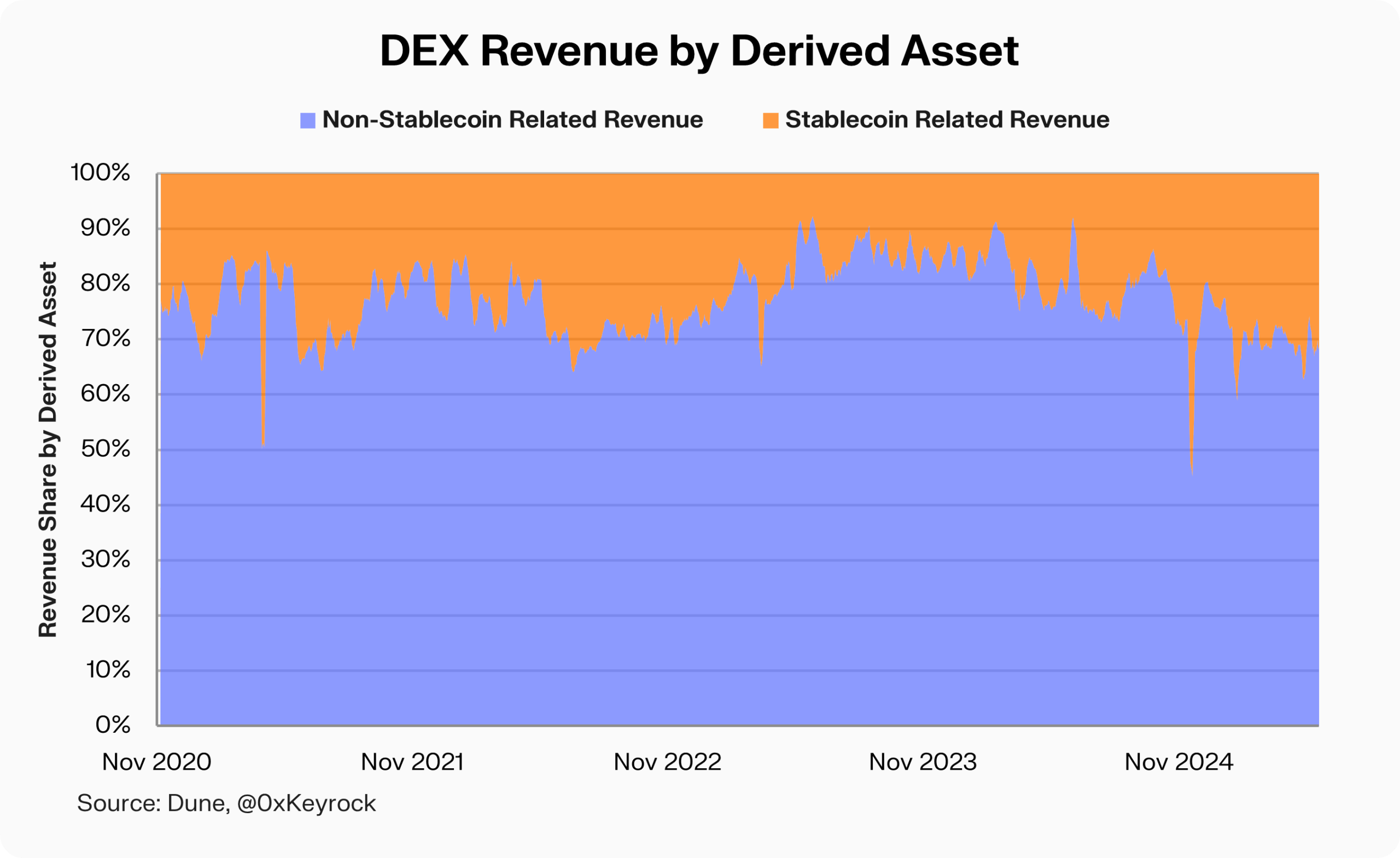
Identify where the yield originates. Is it from on-chain lending protocols (like Aave or Compound), tokenized short-term treasuries (like Ondo or Franklin Templeton), or decentralized exchange (DEX) liquidity provision? Tokenized treasuries currently offer the most transparent, regulated yields, while DeFi lending carries smart contract risk but higher potential returns.
Determine your exposure to US-based regulations. Stablecoins like USDC and USDT are subject to different reserve auditing standards. Institutional flows are increasingly favoring fully reserved, US-compliant stablecoins for treasury management. If you are a US entity or investor, prioritize stablecoins that provide monthly attestation reports and operate within clear legal frameworks.
Not all yield strategies are equally liquid. DEX liquidity pools can suffer from impermanent loss, while tokenized treasuries may have lock-up periods or redemption windows. Assess how quickly you need to access your capital. For high-stakes treasury management, prioritize assets with deep liquidity and low slippage on exit.
Avoid concentrating your stablecoin holdings in a single protocol. Spread your exposure across multiple yield sources—such as a mix of tokenized treasuries and blue-chip DeFi lending protocols—to mitigate smart contract risk. This approach balances yield optimization with capital preservation, aligning with the institutional preference for diversified, risk-adjusted returns.
| Yield Source | Risk Level | Liquidity | Best For |
|---|---|---|---|
| Tokenized Treasuries | Low | Medium | Regulated institutional capital |
| DeFi Lending | Medium | High | Active DeFi participants |
| DEX Liquidity | High | Variable | Yield maximizers |
The 2026 stablecoin liquidity shift rewards those who prioritize transparency and regulatory compliance. By following this framework, you can align your stablecoin strategy with the evolving institutional landscape, ensuring your yields are both sustainable and secure.
Avoid the weak options
Use this section to make the Stablecoin Liquidity Shifts decision easier to compare in real life, not just on paper. Start with the reader's actual constraint, then separate must-have requirements from details that are merely nice to have. A practical choice should survive normal use, maintenance, timing, and budget. If a recommendation only works in an ideal situation, call that out plainly and give the reader a fallback path.
The simplest way to use this section is to write down the must-have criteria first, then compare each option against those criteria before weighing nice-to-have features.
Stablecoin flows 2026: what to check next
Institutional capital is reshaping DeFi yields through regulated stablecoin issuance and real-world asset (RWA) integration. As stablecoins transition from niche settlement layers to foundational infrastructure, understanding the mechanics of these flows is essential for navigating the 2026 market.
The convergence of regulatory clarity and institutional demand is creating a more mature, albeit complex, yield environment. Investors must evaluate protocols based on reserve transparency and regulatory alignment rather than yield alone.
No comments yet. Be the first to share your thoughts!