
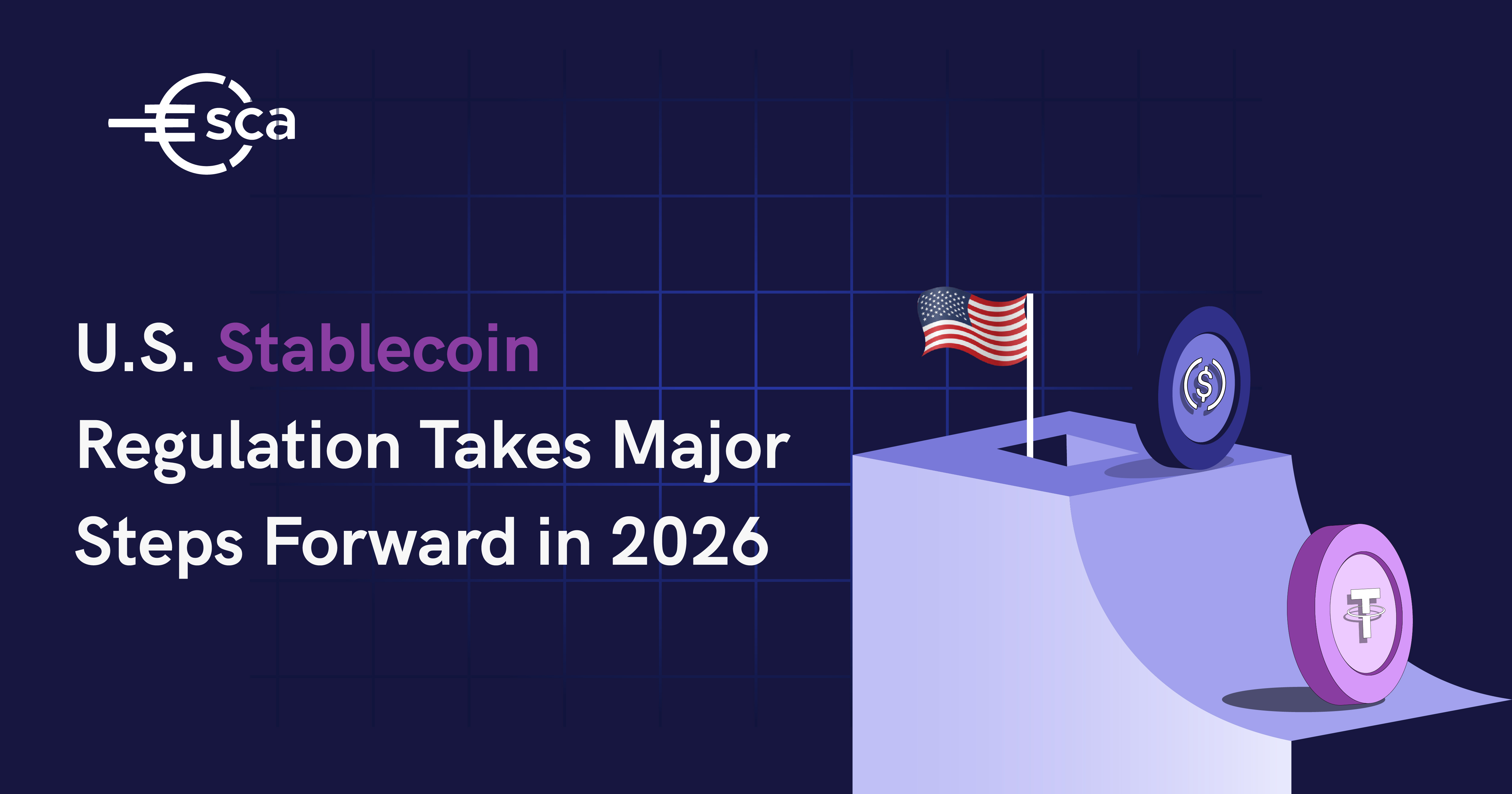
Stablecoin regulation 2026: what changed
The regulatory landscape for digital payments shifted significantly in early 2026. The GENIUS Act, enacted in July 2025, established the first comprehensive federal framework for payment stablecoins. Its implementation rules were finalized in March 2026, creating clear compliance pathways for issuers operating across borders.
The Office of the Comptroller of the Currency (OCC) issued Bulletin 2026-3, outlining how national banks can custody and issue stablecoins. Simultaneously, the Federal Register published the final rule for implementing the GENIUS Act, setting reserve requirements and audit standards. These moves signal a move from ambiguity to structured oversight.
Market forecasts suggest payment stablecoin issuance could reach $500 billion by the end of 2026. This growth is driven by the clarity provided by the new regulations, allowing institutional players to enter the space with confidence. For users, this means greater security and legal recourse, though it also introduces stricter identity verification and transaction monitoring requirements.
Stablecoin regulation 2026 choices that change the plan
The GENIUS Act, signed into law on July 18, 2025, establishes a federal regulatory framework for payment stablecoins and restricts their issuance to regulated entities. As the Treasury and SEC finalize implementing rules in early 2026, issuers must choose between compliance paths that carry different operational burdens. The proposed rule, published March 2, 2026, outlines specific requirements for reserve composition, audit frequency, and cross-border data sharing.
Issuers face a clear choice: prioritize speed to market with lighter compliance or secure broader institutional adoption with stricter oversight. The SEC guidelines emphasize investor protection, requiring monthly attestations and quarterly audits for reserves. This increases operational costs but reduces counterparty risk. Conversely, some jurisdictions allow more flexible reserve structures, which may attract smaller issuers but limit access to US banking channels.
| Factor | Strict Compliance Path | Flexible Compliance Path |
|---|---|---|
| Reserve Audits | Quarterly independent audits | Monthly internal attestations |
| Banking Access | Full US banking integration | Limited or no US bank access |
| Cross-Border Flow | Restricted by FATF guidelines | Open to select jurisdictions |
| Issuer Eligibility | Regulated financial institutions | Broader range of entities |
The tradeoff extends to cross-border operations. The US framework aligns with EU and UK standards, facilitating smoother international transfers for compliant issuers. However, this alignment requires strict adherence to anti-money laundering (AML) protocols, which can slow transaction speeds. Issuers targeting emerging markets may find the flexible path more attractive despite the regulatory uncertainty.
How to Evaluate Stablecoin Compliance Under the GENIUS Act
The GENIUS Act, enacted on July 18, 2025, establishes the first federal framework for payment stablecoins. With the OCC releasing Bulletin 2026-3 and the Federal Register publishing proposed rules on May 1, 2026, issuers must align their operations with specific reserve and disclosure requirements. This section provides a practical framework for assessing your stablecoin’s compliance status.

Under the GENIUS Act, payment stablecoins must be backed by high-quality liquid assets. The proposed rule specifies that reserves must consist primarily of cash and short-term U.S. Treasury securities. Evaluate your reserve auditors to ensure they follow the new attestation standards required by the Federal Reserve and the OCC.
Issuers must now publish monthly reserve reports and annual attestation statements. These documents must be made publicly available on a dedicated compliance page. Ensure your disclosure format matches the OCC’s template to avoid regulatory friction during the 2026 enforcement window.
The GENIUS Act applies to any stablecoin offering access to U.S. payment systems. If your stablecoin facilitates cross-border flows, you must navigate both U.S. federal guidelines and local regulations in recipient jurisdictions. This dual-layer compliance is the primary challenge for international issuers in 2026.
-
Confirm reserve assets are 100% liquid and backed by U.S. Treasuries or cash.
-
Verify monthly reserve reports are published on a public-facing URL.
-
Ensure annual attestation statements are signed by a qualified independent auditor.
-
Review cross-border transaction protocols for local jurisdiction compliance.
Avoid the weak options
Use this section to make the Stablecoin Regulation Update decision easier to compare in real life, not just on paper. Start with the reader's actual constraint, then separate must-have requirements from details that are merely nice to have. A practical choice should survive normal use, maintenance, timing, and budget. If a recommendation only works in an ideal situation, call that out plainly and give the reader a fallback path.
The simplest way to use this section is to write down the must-have criteria first, then compare each option against those criteria before weighing nice-to-have features.
Stablecoin regulation 2026: what to check next
The regulatory landscape for digital payments shifted significantly in 2026. With the GENIUS Act now shaping federal oversight, several practical questions remain for issuers, banks, and users navigating cross-border flows. Here are the most common queries regarding the new rules.
No comments yet. Be the first to share your thoughts!