

Native USDC has become the stablecoin of choice for users on the Base network in 2024, offering a secure, dollar-backed asset issued directly by Circle. With recent market data showing the price of Multichain Bridged USDC (Fantom) at $0.0356, understanding how to acquire and use native USDC on Base is more important than ever for anyone active in DeFi or on-chain payments.
Why Native USDC Matters: Security, Liquidity, and On-Chain Utility
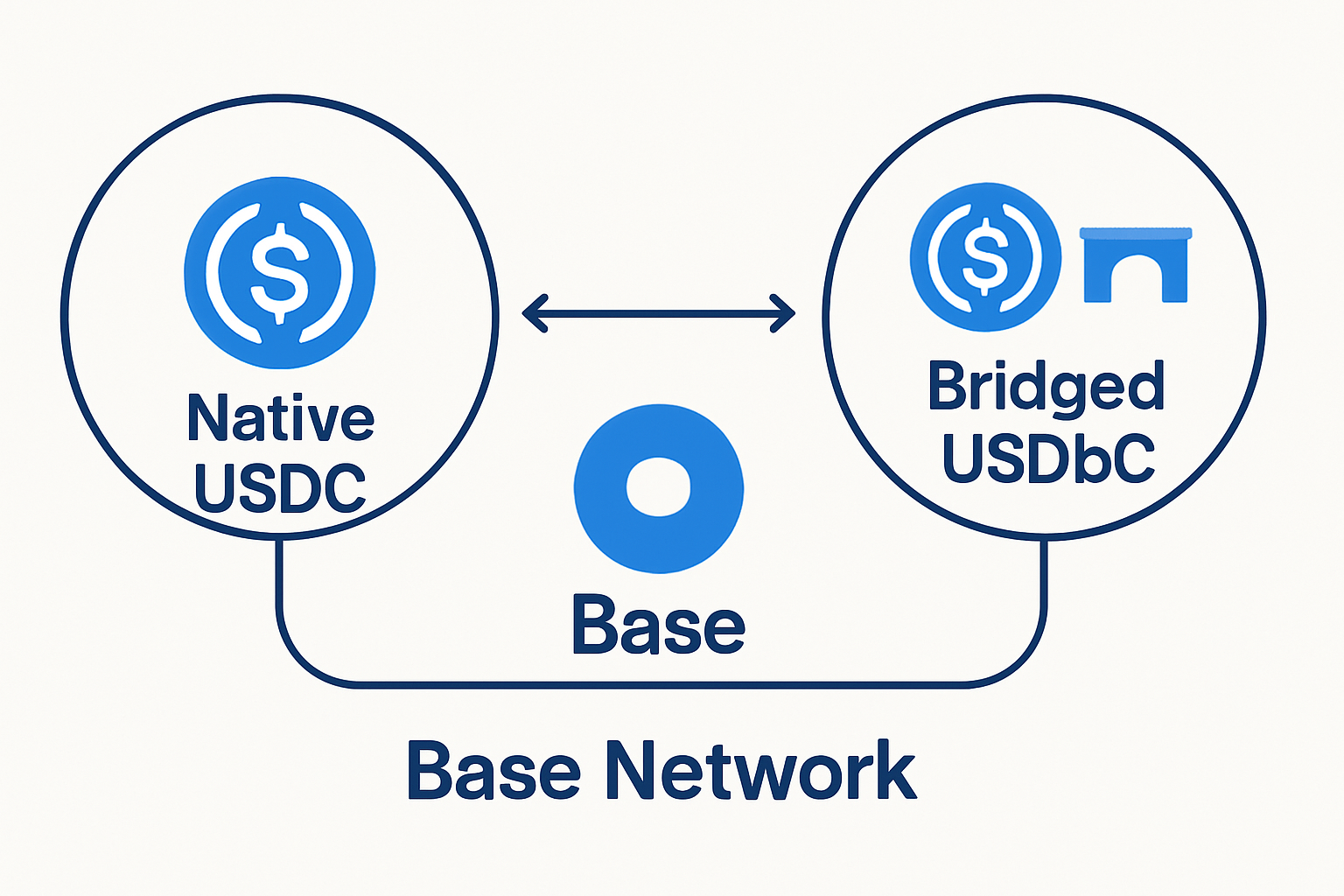
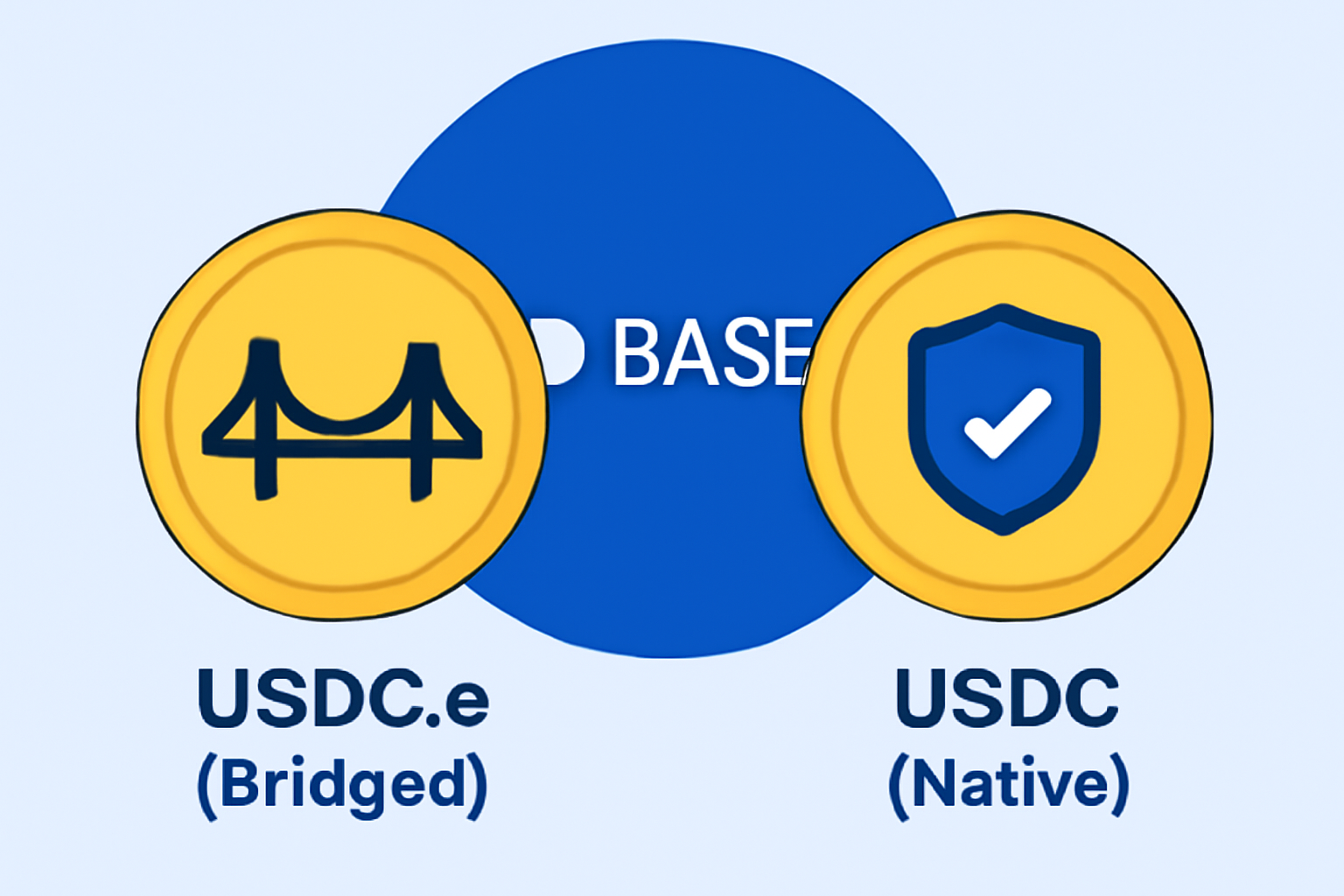
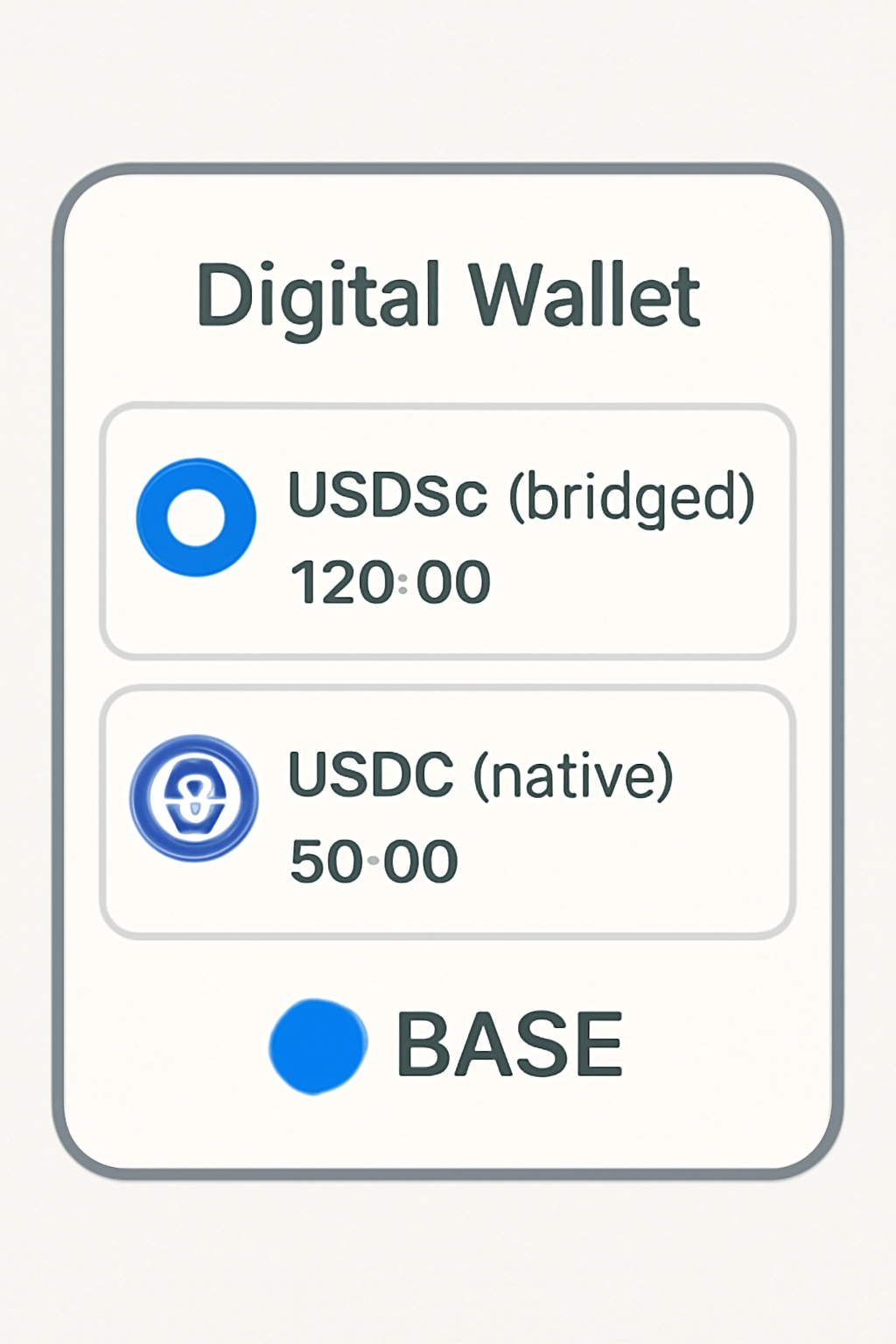
The distinction between native USDC and bridged stablecoins like USDbC or USDC. e is not just technical - it’s foundational for security and usability. Native USDC on Base is issued directly by Circle, making it redeemable 1: 1 for USD and fully supported by major platforms such as Coinbase. In contrast, bridged versions are minted via cross-chain protocols and may not be directly redeemable or supported in all dApps.
This matters because native USDC guarantees:
- Direct redemption: Always exchangeable for USD through Circle partners.
- Broader ecosystem support: Most DeFi protocols on Base now prefer native over bridged stablecoins.
- Reduced smart contract risk: No extra bridging layers that could be vulnerable to exploits.
If you want a deeper dive into why native stablecoins are winning out on Base, explore our analysis at Why USDC is the Dominant Stablecoin on Base.
How to Get Native USDC on Base: Step-by-Step Guide for 2024
The process of getting native USDC onto the Base network has never been easier. Here’s a breakdown of your main options:
How to Buy and Use Native USDC on Base: Step-by-Step Illustrated Guide


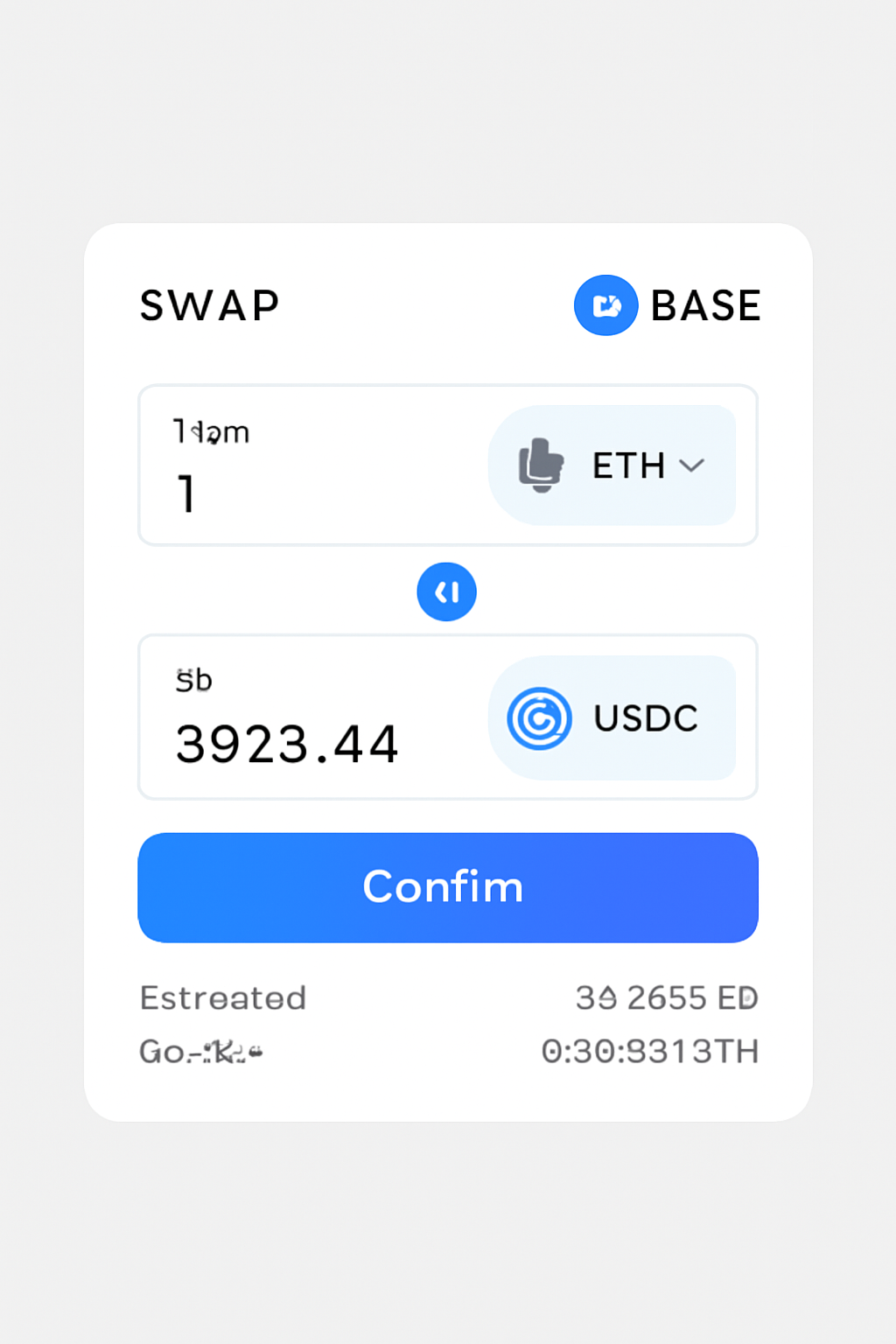
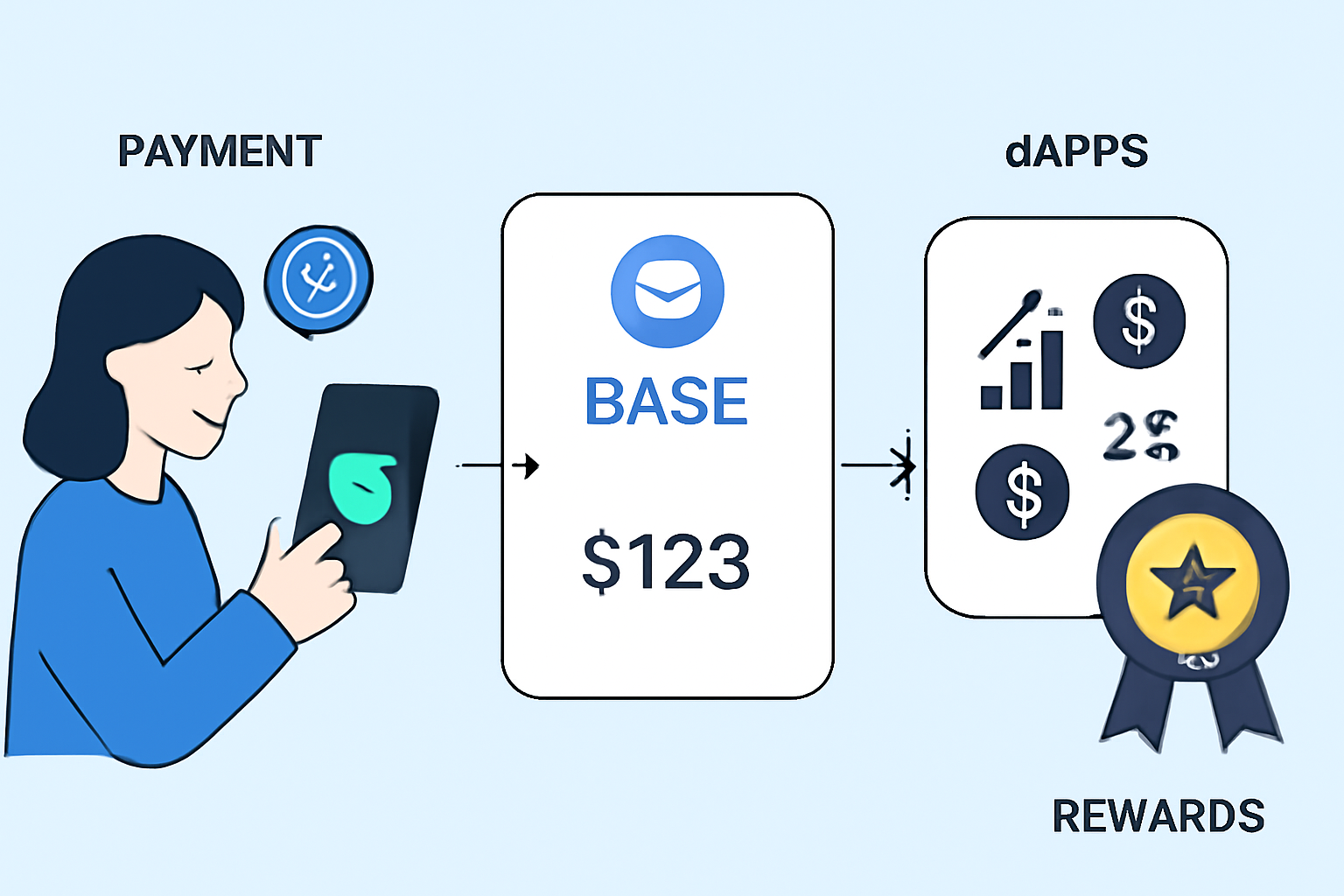
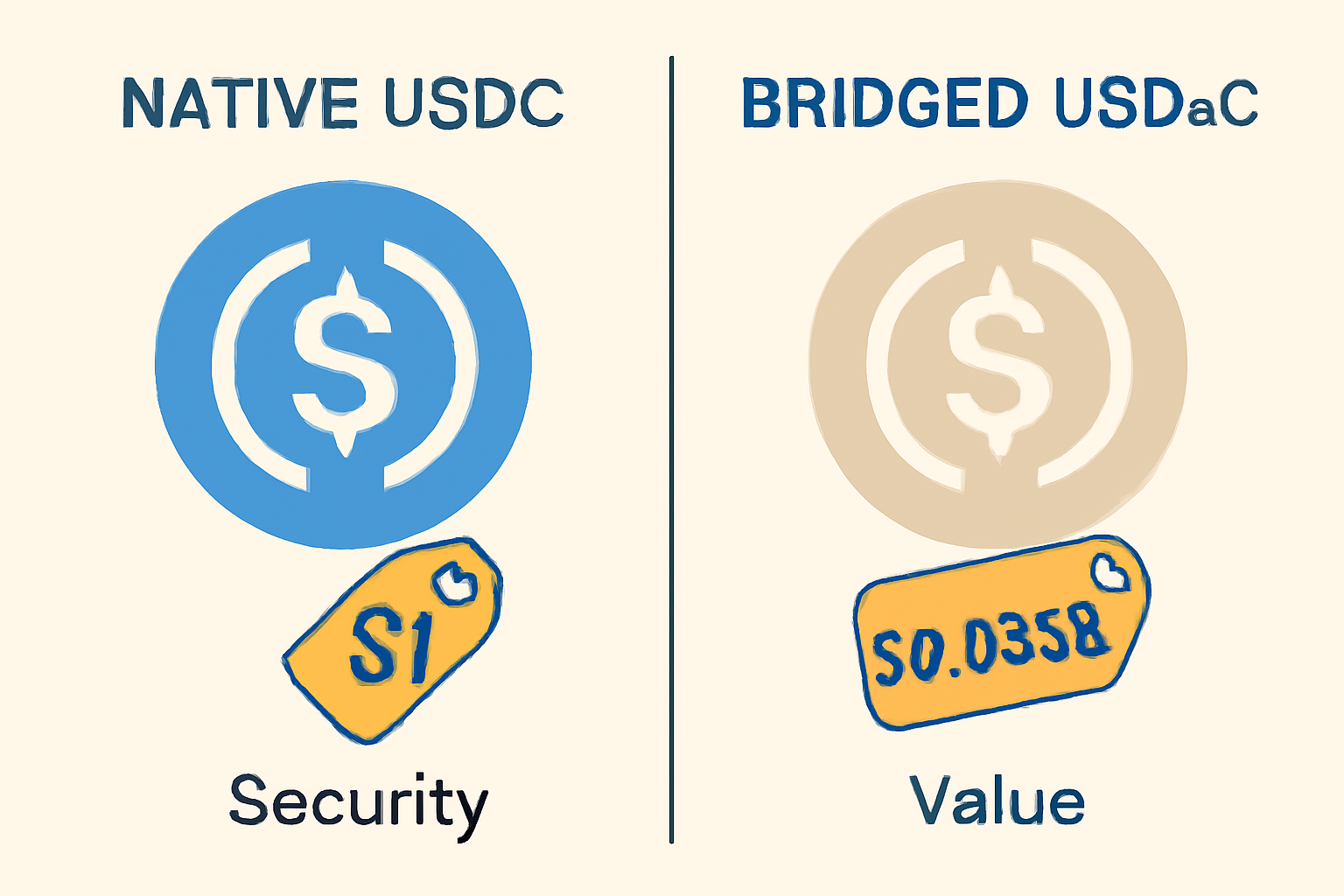

- Via Coinbase:
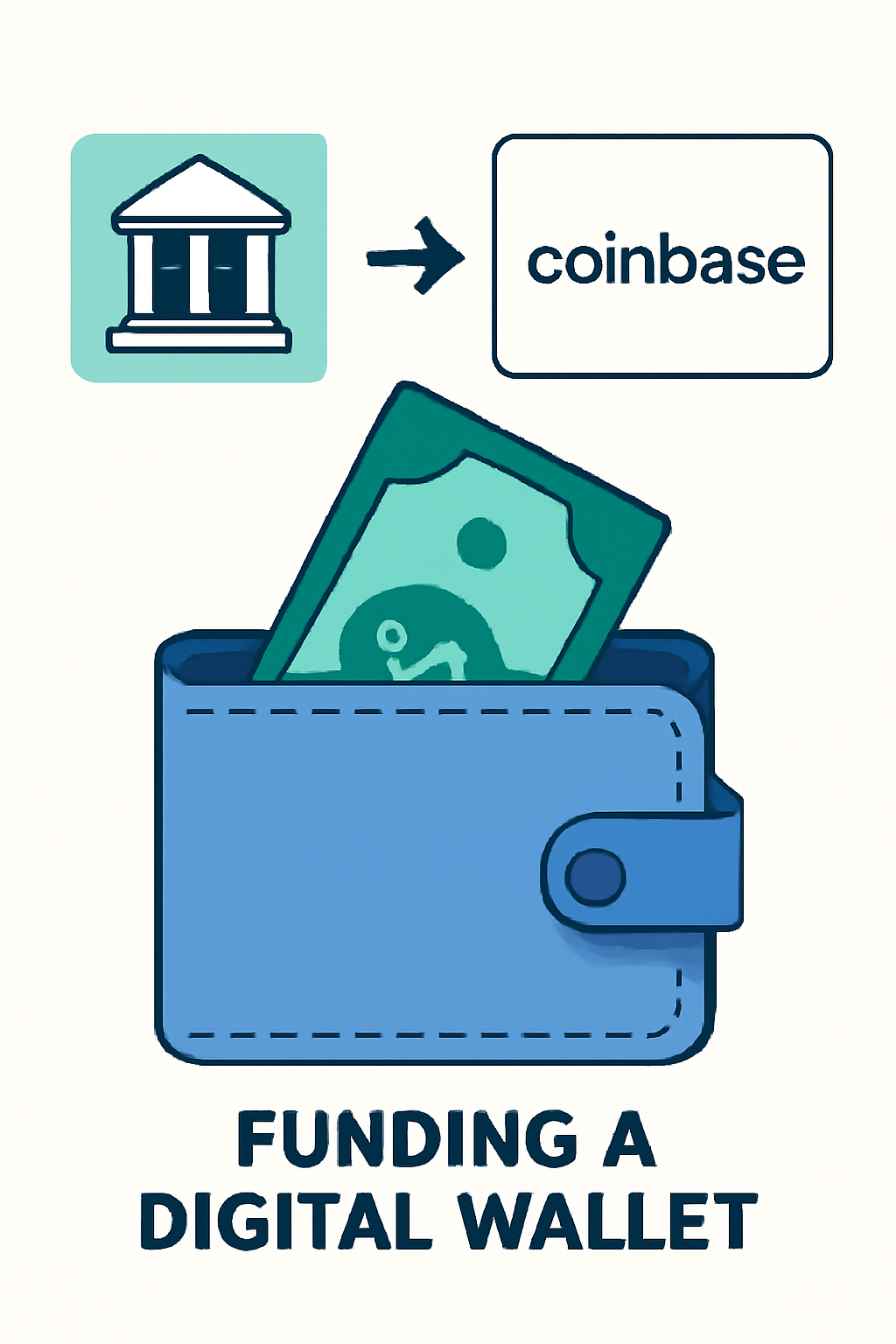
- Create or log into your Coinbase account.
- Add fiat funds (bank transfer, debit card).
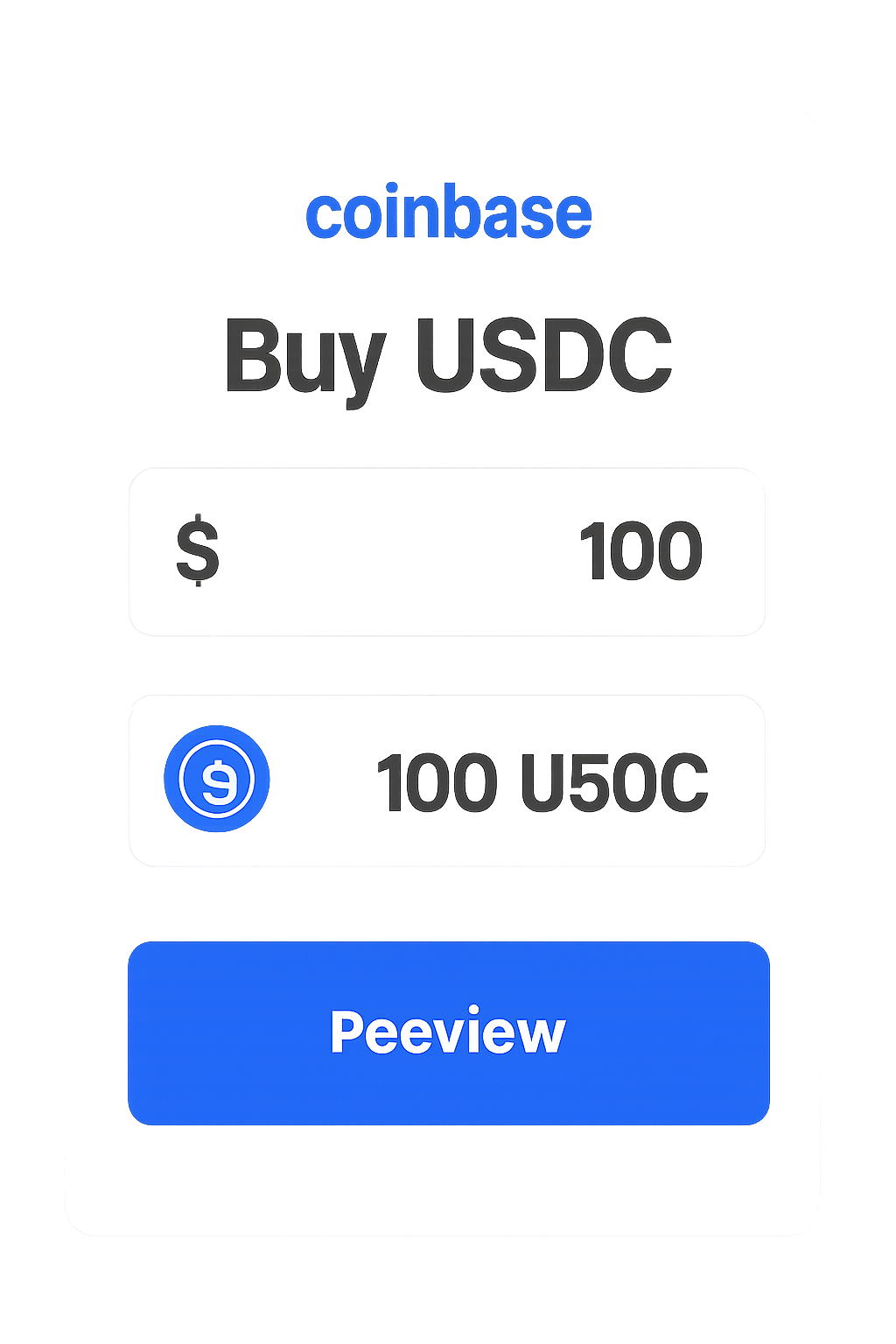
- Buy USDC directly within Coinbase.
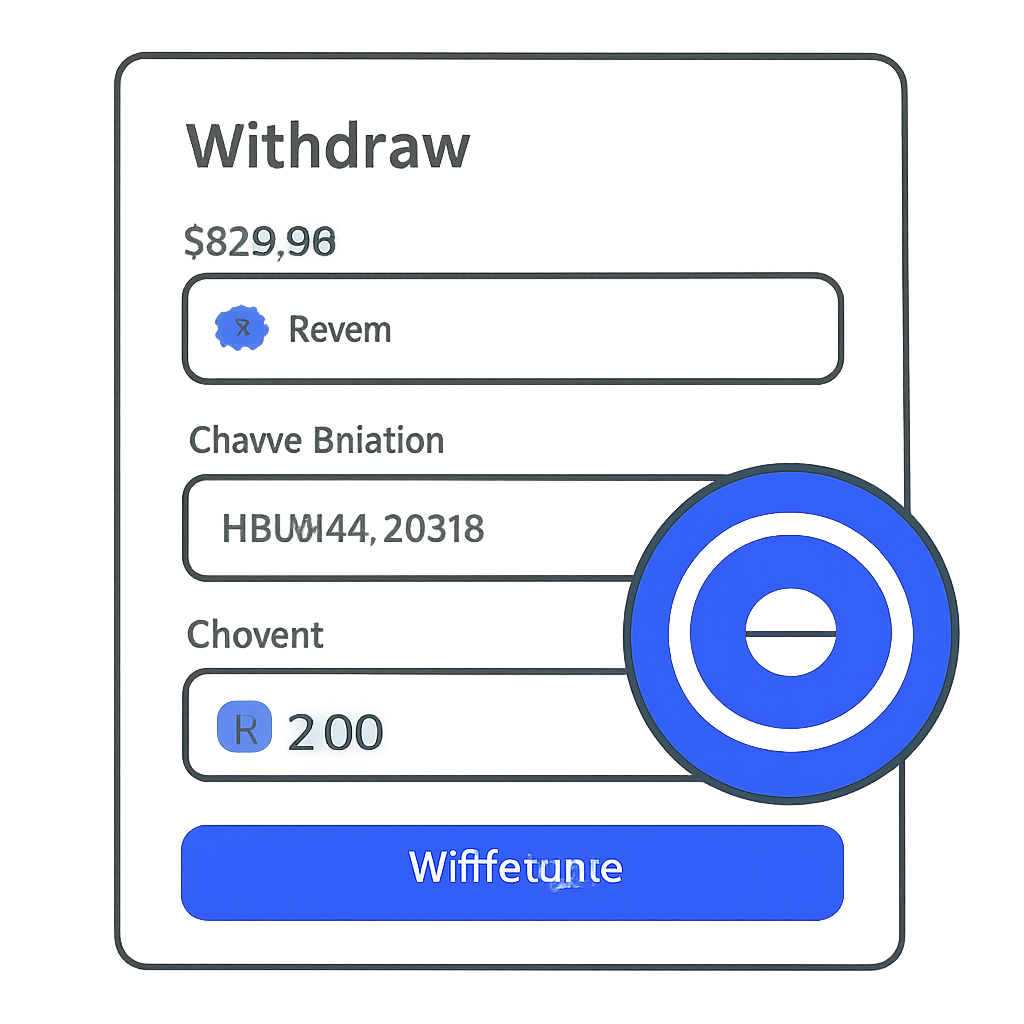
- Select "Base" as your withdrawal network when sending to an external wallet - this ensures you receive native (not bridged) USDC.
- Via Decentralized Exchanges (DEXs):
- Connect a self-custody wallet like MetaMask or Coinbase Wallet set to the Base network.
- Select a DEX that supports Base (e. g. , Interport, Jumper, Matcha).
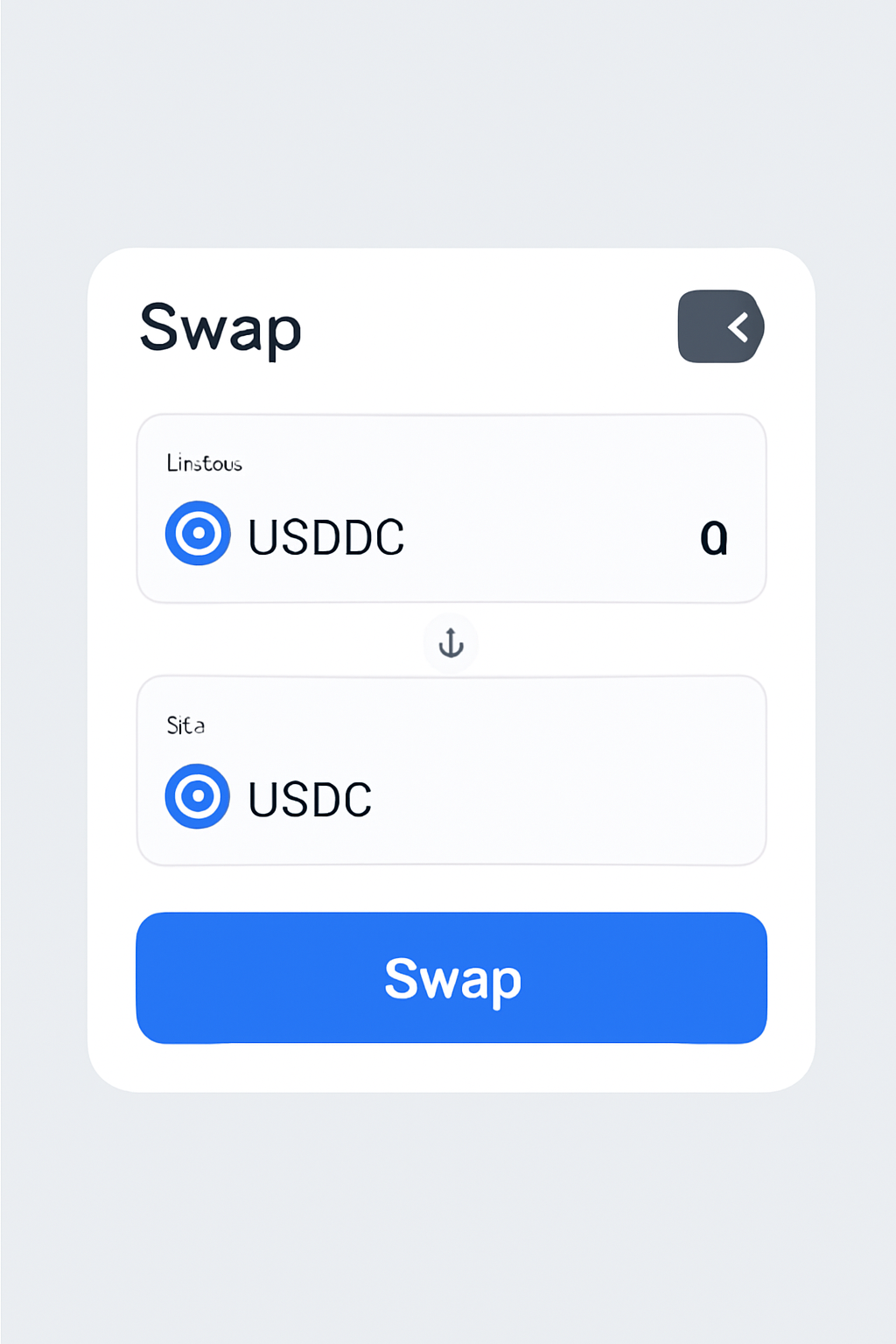
- Swap ETH or another supported token for native USDC. Make sure you have enough ETH for gas fees!
This direct route bypasses older bridging solutions. For those still holding bridged assets like USDbC or interested in bridging strategies, see our visual walkthrough at How to Bridge USDC from Coinbase to Base - Step-by-Step Visual Guide (2025).
USDbC vs Native USDC: What’s Changed?
The early days of the Base network relied heavily on bridged stablecoins like USDbC. However, since September 2023 when Circle launched full support for native issuance, there’s been a rapid migration toward using only true Circle-issued tokens. This shift is driven by:
- Ecosystem preference: Most major DeFi projects now route liquidity through native pools.
- Simplified redemption: Only native tokens can be seamlessly redeemed for USD with no extra steps.
- Tighter integration with exchanges: Platforms like Coinbase automatically default to sending/receiving native tokens when "Base" is selected as the network option.
If you’re unsure which version you hold, always check the contract address against official sources before transacting. For more about this migration trend, read our coverage at Why USDC Is The Backbone of Base Liquidity Integration and On-Chain Utility Explained.
6-Month Price Stability Comparison: Native USDC vs. Bridged Stablecoins and Major Cryptocurrencies
A real-time comparison of price stability between native USDC on Base, bridged stablecoins, and major cryptocurrencies over the past six months (as of 2025-10-29).
| Asset | Current Price | 6 Months Ago | Price Change |
|---|---|---|---|
| USD Coin (Native on Base) (USDC) | $0.9998 | $0.9998 | +0.0% |
| USDC (Bridged on Base) (USDC.e) | $0.9999 | $0.9999 | +0.0% |
| Tether (USDT) | $1.00 | $1.00 | +0.0% |
| Dai (DAI) | $0.9997 | $0.9997 | +0.0% |
| Frax (FRAX) | $0.9961 | $0.9961 | +0.0% |
| Liquity USD (LUSD) | $0.9997 | $0.9997 | +0.0% |
| Ethereum (ETH) | $3,971.03 | $3,500.00 | +13.5% |
| Bitcoin (BTC) | $112,466.00 | $60,000.00 | +87.4% |
Analysis Summary
Stablecoins—including both native USDC on Base and bridged versions like USDC.e—have maintained near-perfect price stability over the past six months, with all showing a 0.0% change. In contrast, major cryptocurrencies such as Bitcoin and Ethereum have experienced significant price appreciation (+87.4% and +13.5%, respectively) during the same period.
Key Insights
- All stablecoins in the comparison, including native USDC on Base and bridged USDC.e, have maintained their peg to the US dollar with virtually no price fluctuation over six months.
- Major cryptocurrencies (BTC and ETH) have shown significant volatility and growth, highlighting the unique price stability of stablecoins.
- Native USDC on Base is just as stable as bridged stablecoins, reinforcing its reliability for payments and DeFi activities on the Base network.
- The data underscores the core utility of stablecoins as low-volatility assets compared to traditional cryptocurrencies.
All prices and changes are sourced directly from the provided real-time market data as of 2025-10-29. The table compares current and 6-month historical prices to highlight price stability and performance across assets.
Data Sources:
- Main Asset: https://www.coingecko.com/en/coins/usd-coin
- USDC (Bridged on Base): https://www.coindesk.com/price/usdbc
- Tether: https://www.coindesk.com/price/tether
- Dai: https://www.coindesk.com/price/dai
- Ethereum: https://www.coindesk.com/price/ethereum
- Bitcoin: https://www.coindesk.com/price/bitcoin
- Frax: https://www.coindesk.com/price/frax
- Liquity USD: https://www.coindesk.com/price/liquity-usd
Disclaimer: Cryptocurrency prices are highly volatile and subject to market fluctuations. The data presented is for informational purposes only and should not be considered as investment advice. Always do your own research before making investment decisions.
USD Coin (USDC) Technical Analysis Chart
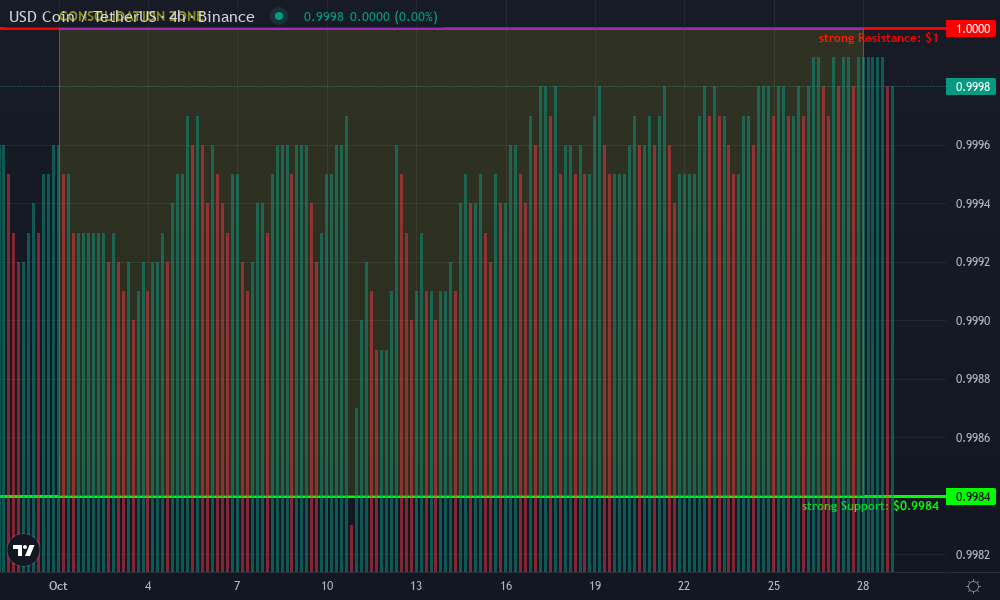
Analysis by Damian Russo | Symbol: BINANCE:USDCUSDT | Interval: 1D | Drawings: 3
Technical Analysis Summary
Draw a central horizontal line at $0.9997 to represent the current fair value anchor. Mark the upper boundary at $1.0000 and the lower boundary at $0.9984, highlighting the narrow band within which USDC trades. Use a rectangle to capture the main consolidation range from early October to late October 2025. Overlay vertical lines at the start and end of October to emphasize the time frame. Since USDC is a stablecoin, avoid trend lines; instead, focus on range and mean-reversion characteristics. Use text callouts near the support and resistance lines to annotate their strength and relevance to stablecoin activity.
Risk Assessment: low
Analysis: USDC/USDT is displaying ideal peg behavior with extremely limited volatility, minimizing risk for all but the most aggressive de-pegging scenarios, which are not apparent here.
Damian Russo's Recommendation: Use USDC/USDT for liquidity, hedging, or as collateral in DeFi. Avoid speculative trading; focus on arbitrage, peg monitoring, or using the pair as a risk-off anchor in your portfolio construction.
Key Support & Resistance Levels
📈 Support Levels:
- $0.998 - Lower band of the recent consolidation; aligns with minimum observed price in October 2025. strong
📉 Resistance Levels:
- $1 - Psychological resistance—parity with USD and the upper peg boundary. strong
Trading Zones (medium risk tolerance)
🎯 Entry Zones:
- $0.998 - Potential entry for mean-reversion or arbitrage strategies if price deviates to lower band. low risk
🚪 Exit Zones:
- $1 - Exit for arbitrage/peg maintenance strategies as price approaches upper peg. 💰 profit target
Technical Indicators Analysis
📊 Volume Analysis:
Pattern: Consistently high volume bars indicate active arbitrage and peg defense.
Volume is stable and high, affirming healthy liquidity and constant arbitrage activity, typical for USDC/USDT.
📈 MACD Analysis:
Signal: Not applicable
MACD is not meaningful in this context due to lack of directional volatility.
Applied TradingView Drawing Utilities
This chart analysis utilizes the following professional drawing tools:
Disclaimer: This technical analysis by Damian Russo is for educational purposes only and should not be considered as financial advice. Trading involves risk, and you should always do your own research before making investment decisions. Past performance does not guarantee future results. The analysis reflects the author's personal methodology and risk tolerance (medium).
Switching to native USDC on Base isn’t just about technical superiority, it’s about aligning with the most liquid, trusted, and widely integrated stablecoin in the ecosystem. As DeFi matures on Base, native USDC becomes the default for everything from trading and lending to payroll and cross-chain settlements. The difference is already visible: at $0.0356, Multichain Bridged USDC (Fantom) trades at a fraction of its intended peg, while native USDC remains reliably anchored to the dollar across major platforms.
Best Practices: Using Native USDC Safely on Base
Once you’ve acquired native USDC, it’s essential to maximize its utility without exposing yourself to unnecessary risks. Here are some practical tips:
- Double-check contract addresses: Only interact with official sources when verifying the native USDC contract on Base. Impostor tokens are common, use resources like Coinbase or Circle for confirmation.
- Monitor gas fees: Although Base offers low-cost transactions compared to Ethereum mainnet, always keep a small ETH balance for gas when moving or swapping assets.
- Stay updated: The DeFi landscape evolves quickly. Follow announcements from Circle and major Base ecosystem projects to catch new integrations or migration guides.
- Diversify usage: Don’t just hold, explore lending protocols, liquidity pools, and payment dApps that offer yield or rewards for using native USDC.
The transition away from bridged stablecoins is an ongoing process. If you’re still holding legacy assets like USDbC or have questions about migration paths, check out detailed community guides and consider consolidating into native tokens for long-term security.
Native USDC in Action: Real-World Use Cases on Base
The real power of native USDC comes from how seamlessly it integrates into everyday crypto workflows on Base:
- P2P Payments: Instantly settle invoices or split bills with friends using wallets that support the Base network.
- Lending and Borrowing: Platforms like Aave and Compound are rolling out support for native assets, unlocking low-risk yield opportunities directly on Base.
- Onchain Payroll and Rewards: DAOs and Web3 startups increasingly pay contributors in stablecoins; using native USDC ensures instant liquidity and broad acceptability.
- NFTs and Gaming: Many NFT marketplaces now accept stablecoins for purchases, native USDC means faster settlement and no bridge risk.
If you’re curious about earning opportunities with your newly acquired stablecoins, explore our step-by-step guide at How to Earn USDC on Base.
Final Thoughts: Navigating Stablecoin Evolution on Base
The move toward native Circle-issued stablecoins is accelerating adoption across all layers of the Base ecosystem. Whether you’re a trader seeking deep liquidity, a builder integrating payments, or simply looking for a safe place to park funds between trades, understanding how to get and use native USDC on Base is foundational knowledge in 2024, and beyond.
How to Migrate Bridged USDC.e to Native USDC on Base




No comments yet. Be the first to share your thoughts!