

The fusion of artificial intelligence and stablecoin management is fundamentally reshaping the decentralized finance (DeFi) landscape in 2025. As stablecoins now account for 30% of all on-chain crypto transaction volume, their role as the backbone of DeFi has never been clearer. Yet, what truly sets this year apart is how AI-powered systems are driving a new era of stability, efficiency, and adaptability across digital asset markets.
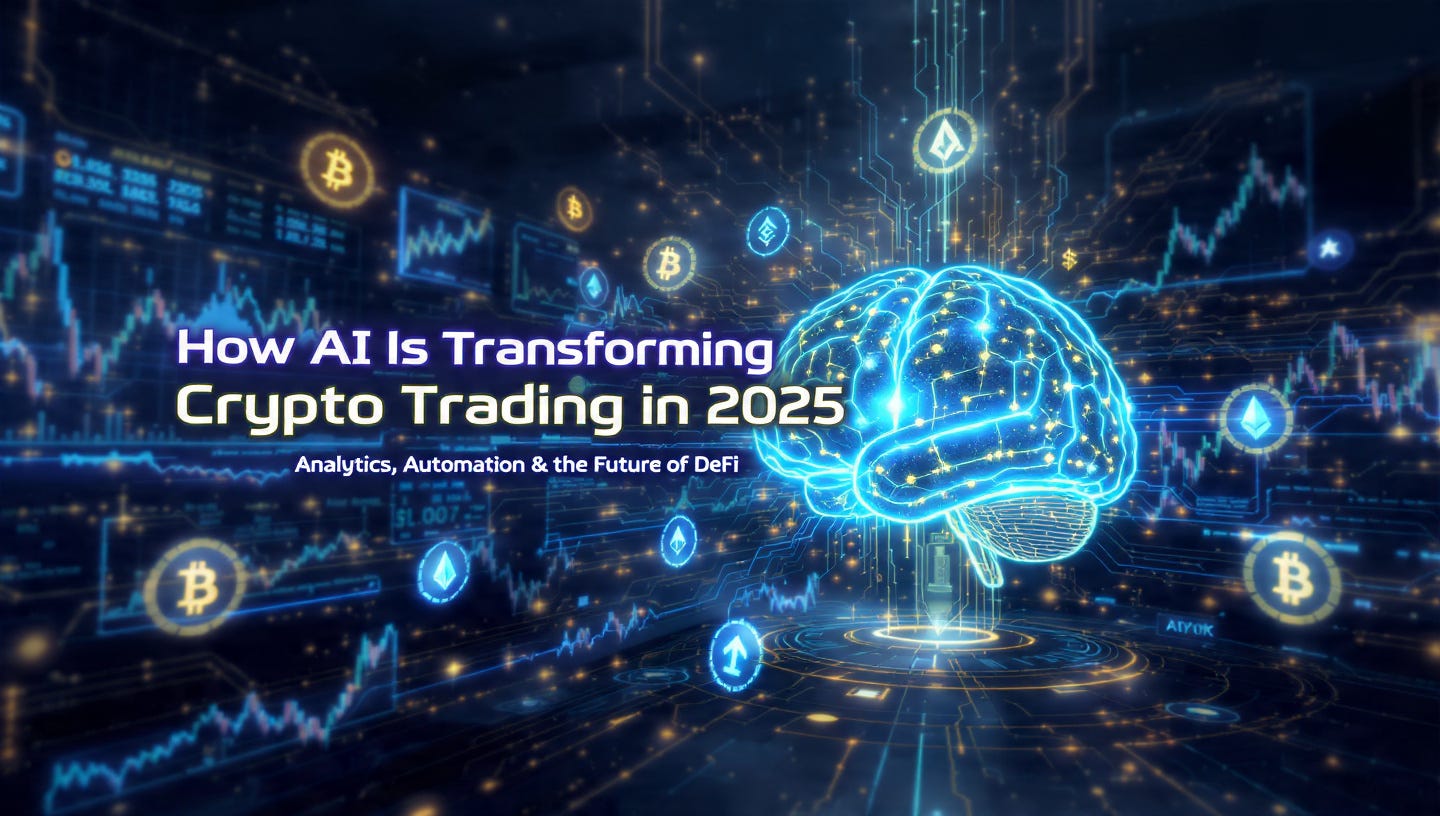
AI-Driven Stabilization: Tackling the Stablecoin Trilemma
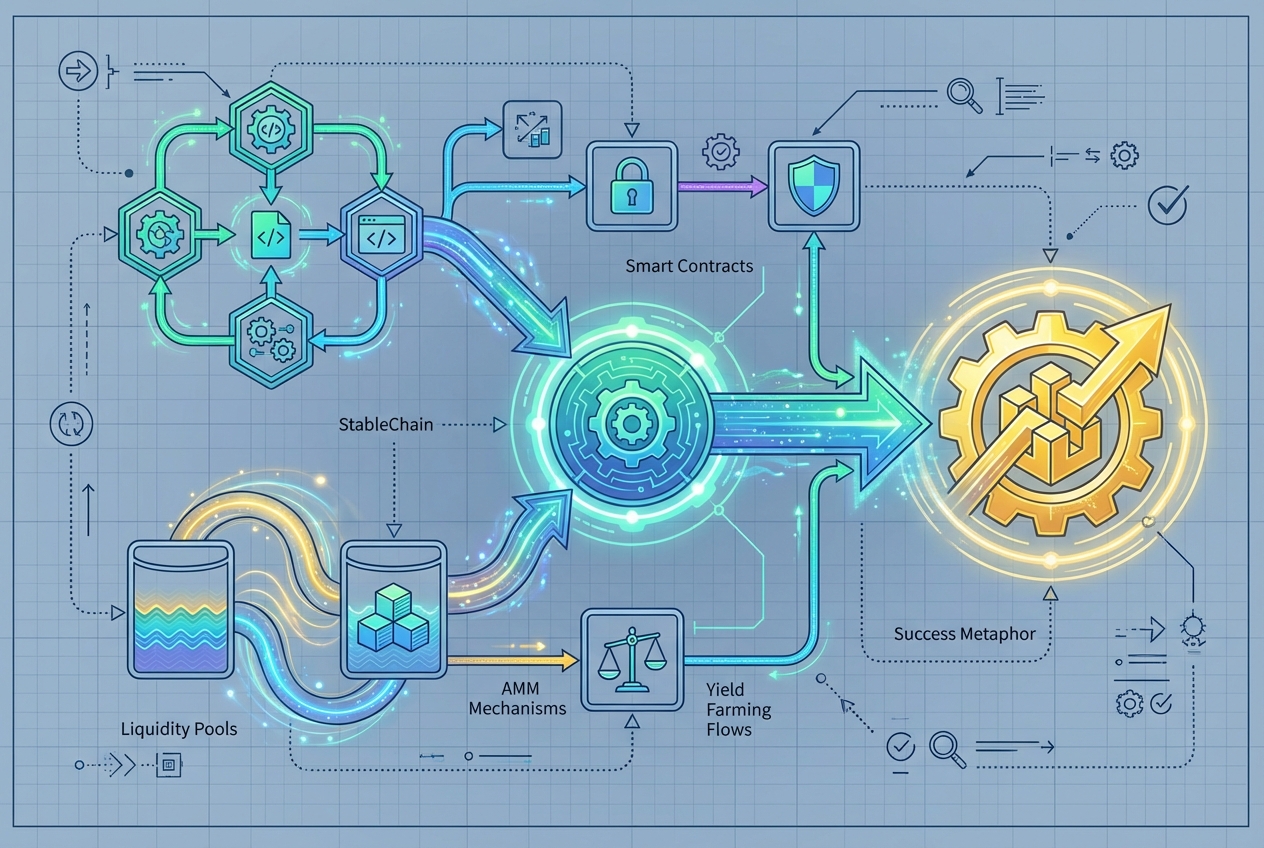
One of the most significant challenges in stablecoin design has always been the so-called "stablecoin trilemma": balancing decentralization, capital efficiency, and price stability. In 2025, protocols like JANUS have made headway by leveraging AI-driven stabilization mechanisms that go far beyond static or rule-based systems. JANUS employs a dual-token structure with multi-collateralization and soft peg dynamics, but its real innovation lies in how AI algorithms dynamically adjust these parameters based on real-time market data.
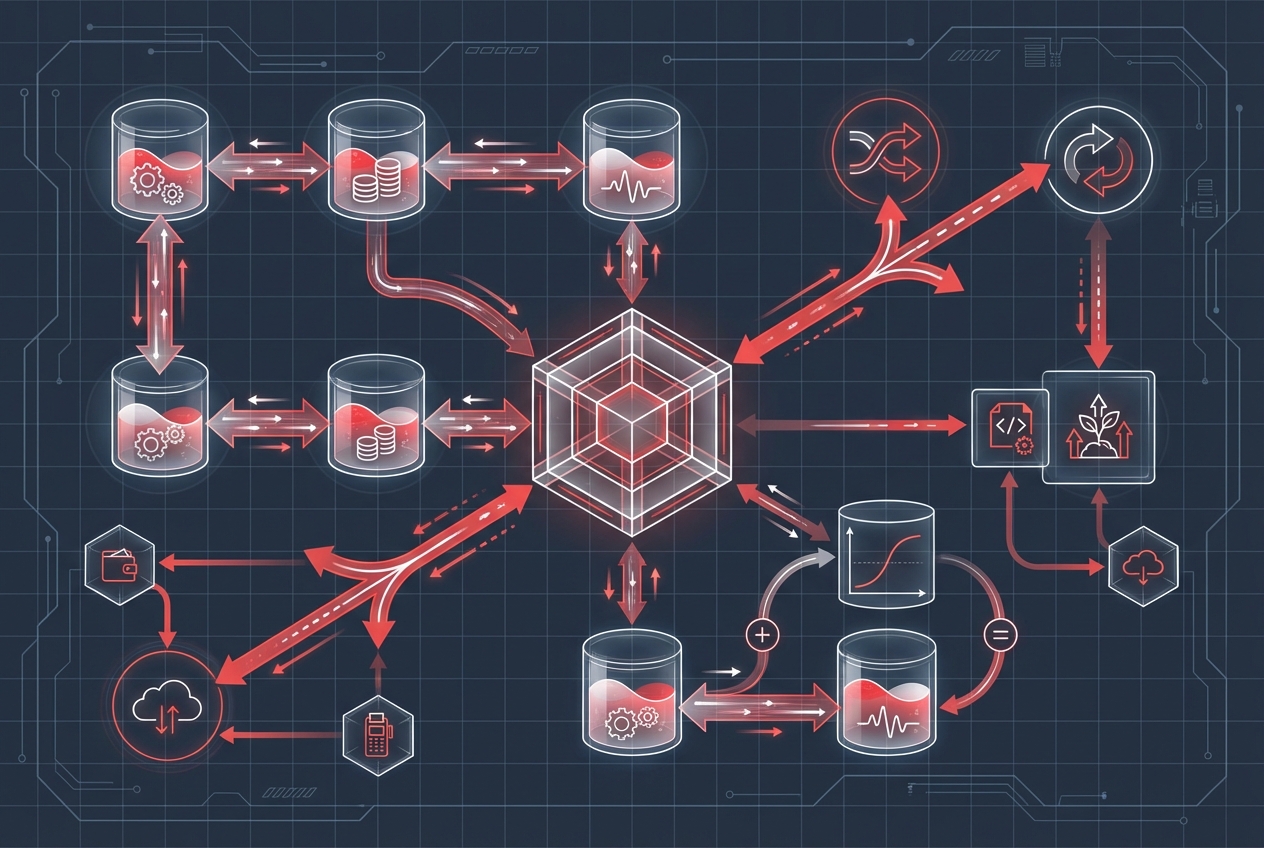
These machine learning models constantly monitor liquidity flows, volatility spikes, and collateral ratios across multiple blockchains. When turbulence hits - whether due to macro shocks or localized DeFi events - the AI can proactively reweight collateral baskets or tweak redemption incentives to keep pegs tight without manual intervention. This level of automated responsiveness is rapidly becoming table stakes for any protocol seeking longevity in today's volatile environment.
DeFAI Protocols: The Rise of AI-Managed Strategies
The arrival of what some are calling the "Dynamic DeFi Era" is marked by a new generation of protocols that embed machine learning at their core. Take Allora Network as a leading example: its integration of predictive analytics enables dynamic adjustment of liquidity pools and leverage ratios based on continuously updated risk profiles. Rather than relying on static parameters set by governance votes or developer teams, these DeFAI protocols allow smart contracts to adapt autonomously to changing market conditions.
This shift is particularly impactful for yield optimization strategies. Instead of chasing backward-looking returns or overexposing users to risk during regime shifts, AI-managed vaults can rebalance portfolios in real time - capturing upside while minimizing drawdowns. For investors and treasuries alike, this means more consistent returns with lower tail risk.
Institutional Adoption and Regulatory Alignment
The mainstreaming of AI-powered stablecoin management isn't happening in a vacuum. In fact, 2025 has seen major regulatory developments that both acknowledge and accelerate this convergence between TradFi and DeFi. The U. S. Federal Reserve's Payment Innovation Conference highlighted how concepts like the “streamlined master account” for stablecoin issuers are paving the way for digitally integrated finance.
At the same time, legislative efforts across Europe and Asia are focused on ensuring robust oversight without stifling innovation - a delicate balance as programmable money becomes foundational for cross-border settlements and treasury operations. With institutional players now empowered by acts like GENIUS to leverage blockchain rails for instant transactions, demand for transparent yet adaptive stablecoin infrastructure has soared.
This alignment between regulation and technology is fostering an environment where AI agents can operate within clear guardrails while still maximizing efficiency and trust - an essential prerequisite for further adoption among corporates and financial institutions.
Real-Time Optimization and the New Stablecoin Velocity
One of the most transformative effects of AI stablecoin management in 2025 is the acceleration of stablecoin velocity across DeFi platforms. AI agents, now deployed by both protocols and enterprises, are able to analyze millions of on-chain events per second. This enables not just faster settlement but also continuous optimization of liquidity positions and capital allocation. For example, Bluwhale's AI-driven agents can identify underutilized pools, reroute flows to maximize yield, and even participate in flash loan arbitrage, all while minimizing risk exposure through predictive analytics.
The result is a more efficient on-chain liquidity environment where capital rarely sits idle. CFOs and treasuries leveraging these tools can program milestone-based disbursements or automate hedging strategies that react instantly to market conditions. This level of automation, unthinkable just a few years ago, has made programmable finance a reality for institutions managing billions in digital assets.
Risks, Transparency, and the Path Forward
Despite these advances, DeFAI protocols are not without risk. The complexity of AI models introduces new vectors for systemic error or manipulation if not properly audited. Recent lessons from algorithmic stablecoins underscore the importance of robust governance frameworks and transparent model validation. In response, leading projects have begun open-sourcing their core algorithms and publishing real-time audit trails on-chain, fostering greater community oversight.
Additionally, as AI becomes more deeply embedded in financial infrastructure, regulators are demanding clearer standards for explainability and accountability. The ongoing legislative efforts referenced by McKinsey and Company signal that global policymakers recognize both the promise and pitfalls of autonomous DeFi systems, and are moving to ensure consumer protection without stifling innovation.
What’s Next: Toward Autonomous Liquidity Networks
The trajectory for 2026 points toward increasingly autonomous liquidity networks, ecosystems where smart contracts negotiate with one another using shared data feeds and predictive models. As more players adopt AI-powered stablecoin management tools, expect to see further convergence between traditional finance (TradFi) institutions and DeFi-native protocols. This will likely drive new forms of collaboration around cross-chain settlements, real-world asset tokenization, and instant global payments.
For investors tracking these trends, understanding how AI stablecoin management is reshaping on-chain liquidity automation will be crucial for navigating both opportunities and risks ahead. Those who adapt early, by integrating dynamic DeFAI strategies or participating in governance, stand to benefit from improved efficiency and resilience as decentralized markets mature.
The fusion of artificial intelligence with programmable money is no longer theoretical, it’s reshaping financial infrastructure right now. As we move toward a world where on-chain assets are managed by intelligent agents operating within clear regulatory boundaries, the potential for a more resilient, efficient global financial system has never been closer to realization.


No comments yet. Be the first to share your thoughts!