
Stable, the first USDT-native Layer 1 blockchain, is redefining the stablecoin payments landscape with a bold and highly targeted approach. Unlike legacy blockchains that require users to juggle multiple tokens for transaction fees, Stable leverages USDT as its native gas token. This design choice addresses two of the most persistent pain points in crypto payments: unpredictable fees and user complexity. With a focus on instant settlement, minimal costs, and seamless peer-to-peer transfers, Stable is positioning itself as the new backbone for global stablecoin payments infrastructure.
Why a USDT-Native Chain Matters for Payments
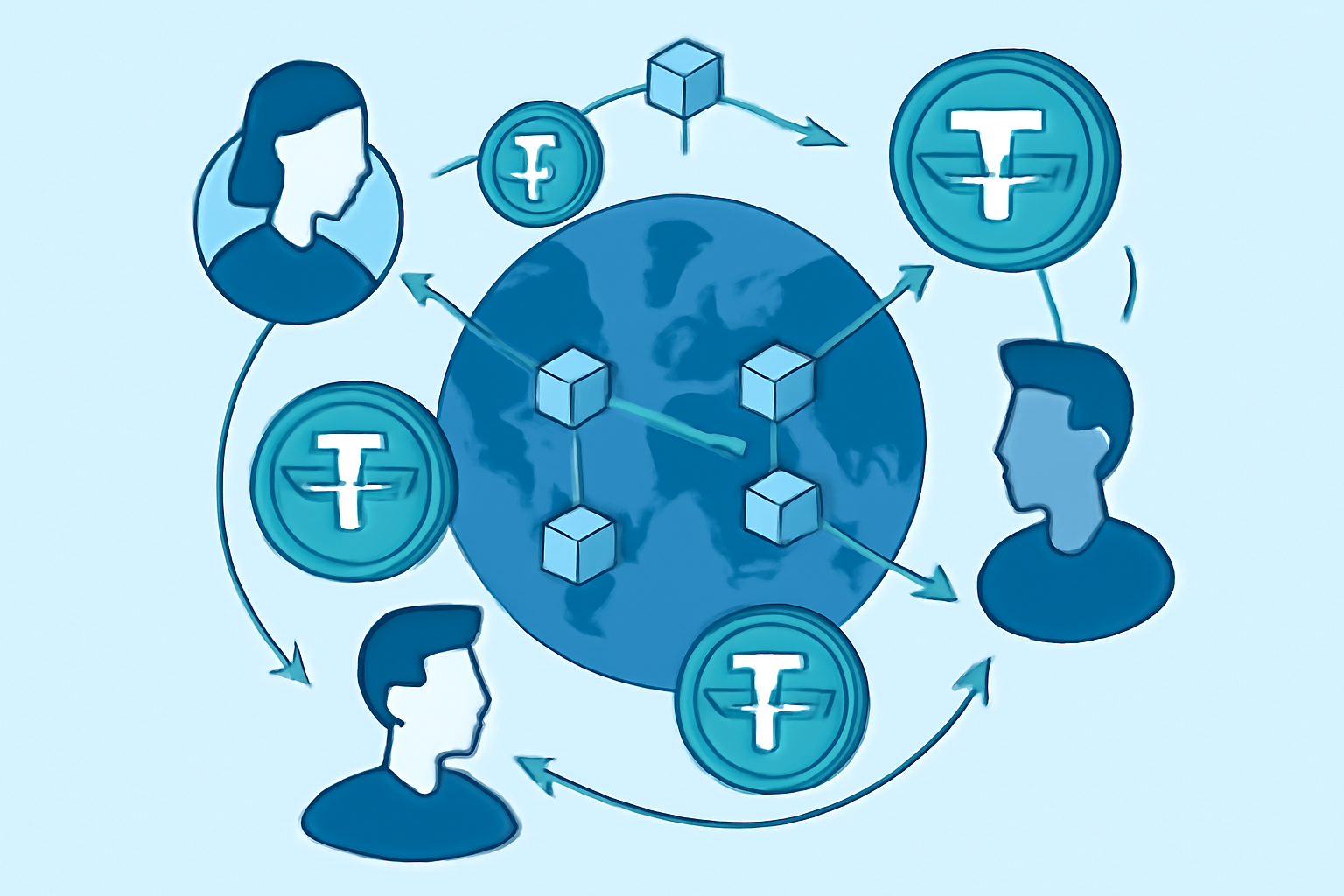
For years, stablecoins like USDT have dominated digital dollar transactions across public blockchains. Yet, ironically, users still needed to hold additional volatile tokens (such as ETH or SOL) just to pay network fees. The result? Friction at every step - from onboarding to routine transactions. Stable’s launch eliminates this inefficiency by making USDT both the medium of exchange and the unit for transaction fees.
This means users can send USDT without worrying about conversion rates or holding extra assets simply to move their money. For businesses and enterprises, it enables direct integration with payment rails where settlement and fee structures are transparent and predictable.
Key Innovations: Gasless Peer Transfers and Enterprise-Grade Features
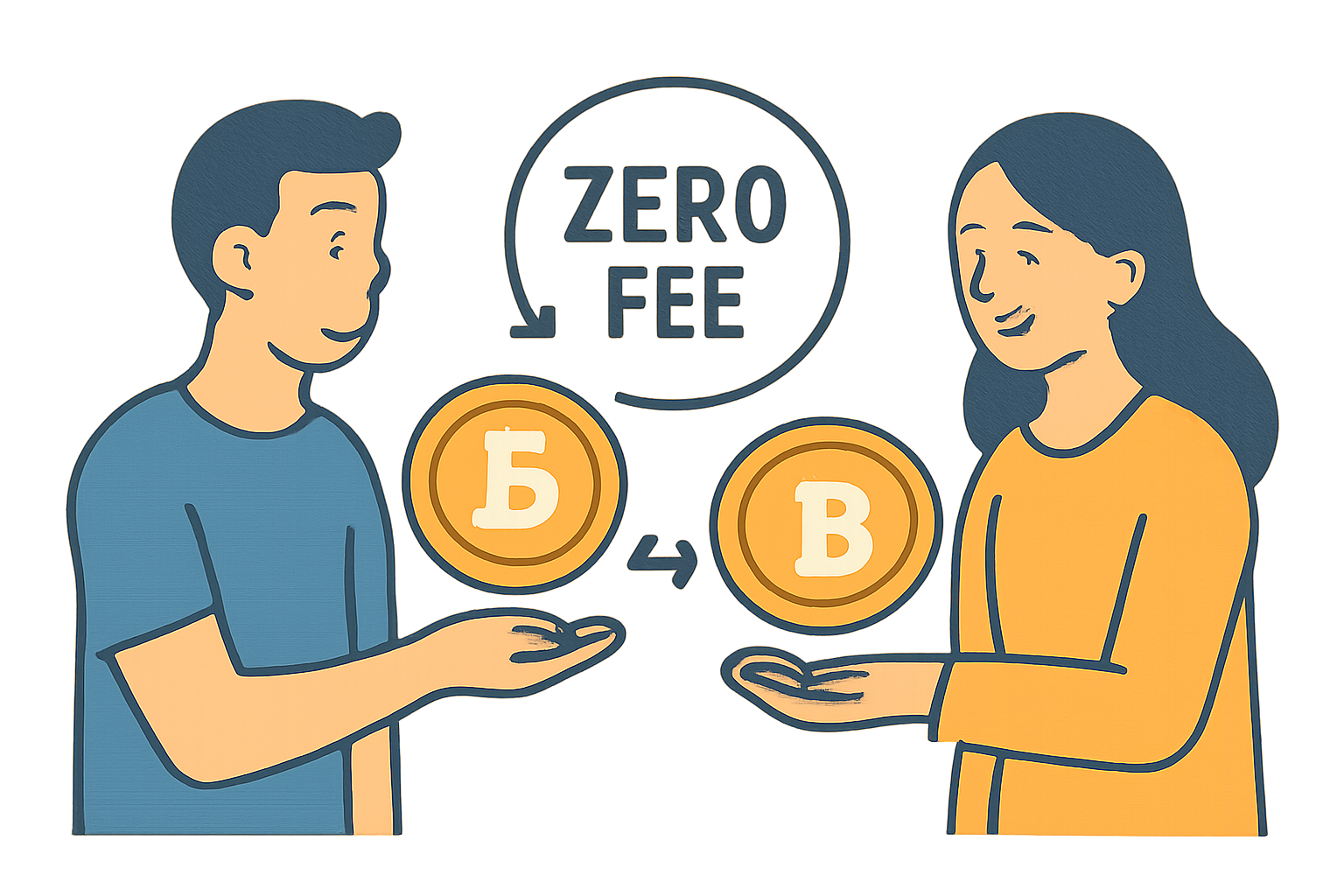
The most headline-grabbing feature of Stable is its zero-fee peer-to-peer transfer system. Regular users can send USDT between wallets without incurring any transaction costs - a game-changer for both micropayments and remittances. Underpinning this is an enterprise-grade infrastructure that delivers:
Key Features of Stable's Layer 1 Blockchain
- USDT-Native Gas System: Stable uses USDT as its native gas token, allowing users to pay transaction fees directly in USDT and eliminating the need to hold separate utility tokens.
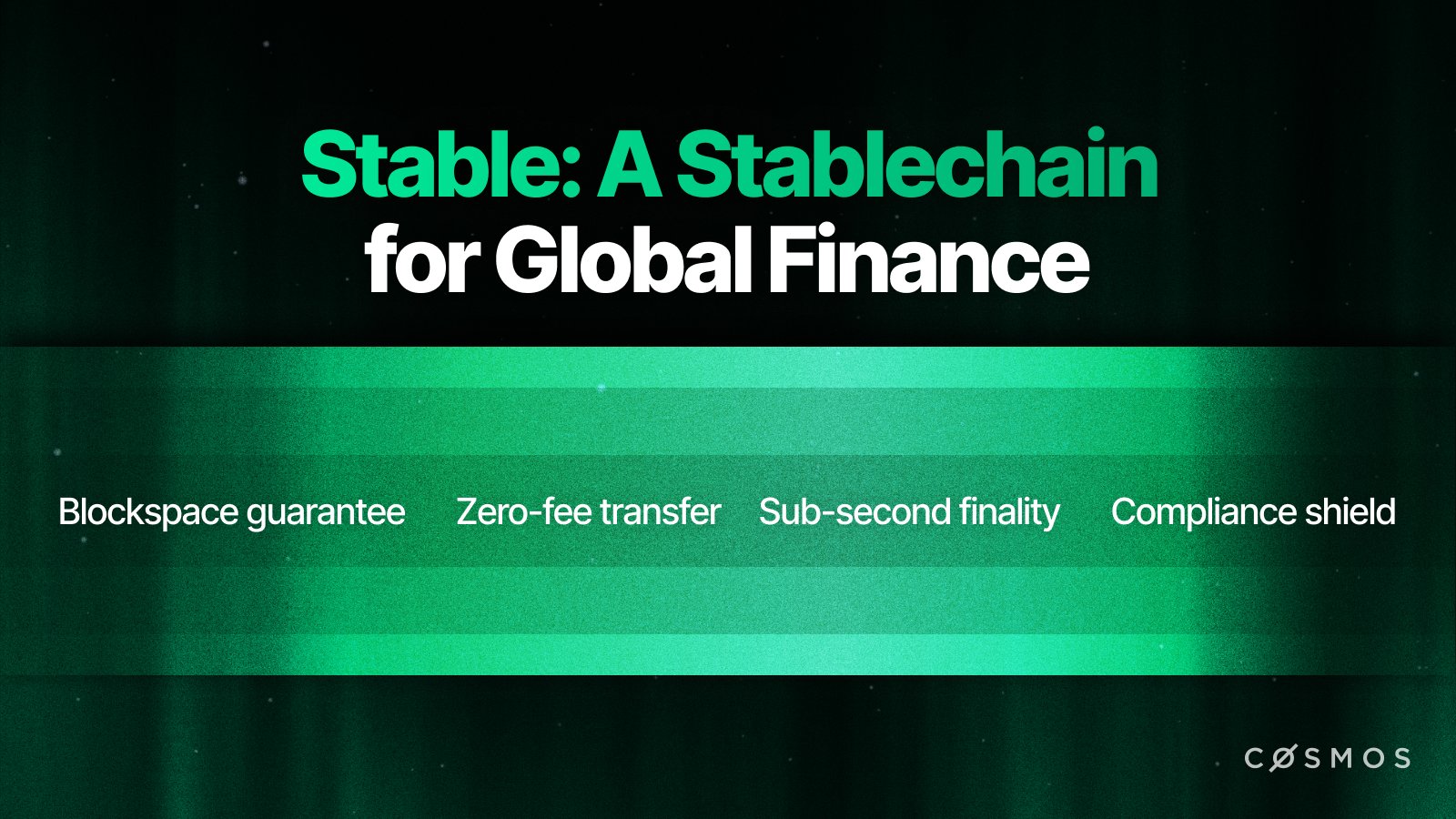
- Gasless Peer-to-Peer Transfers: The network enables zero-fee USDT transfers between users, making everyday payments frictionless and cost-effective.

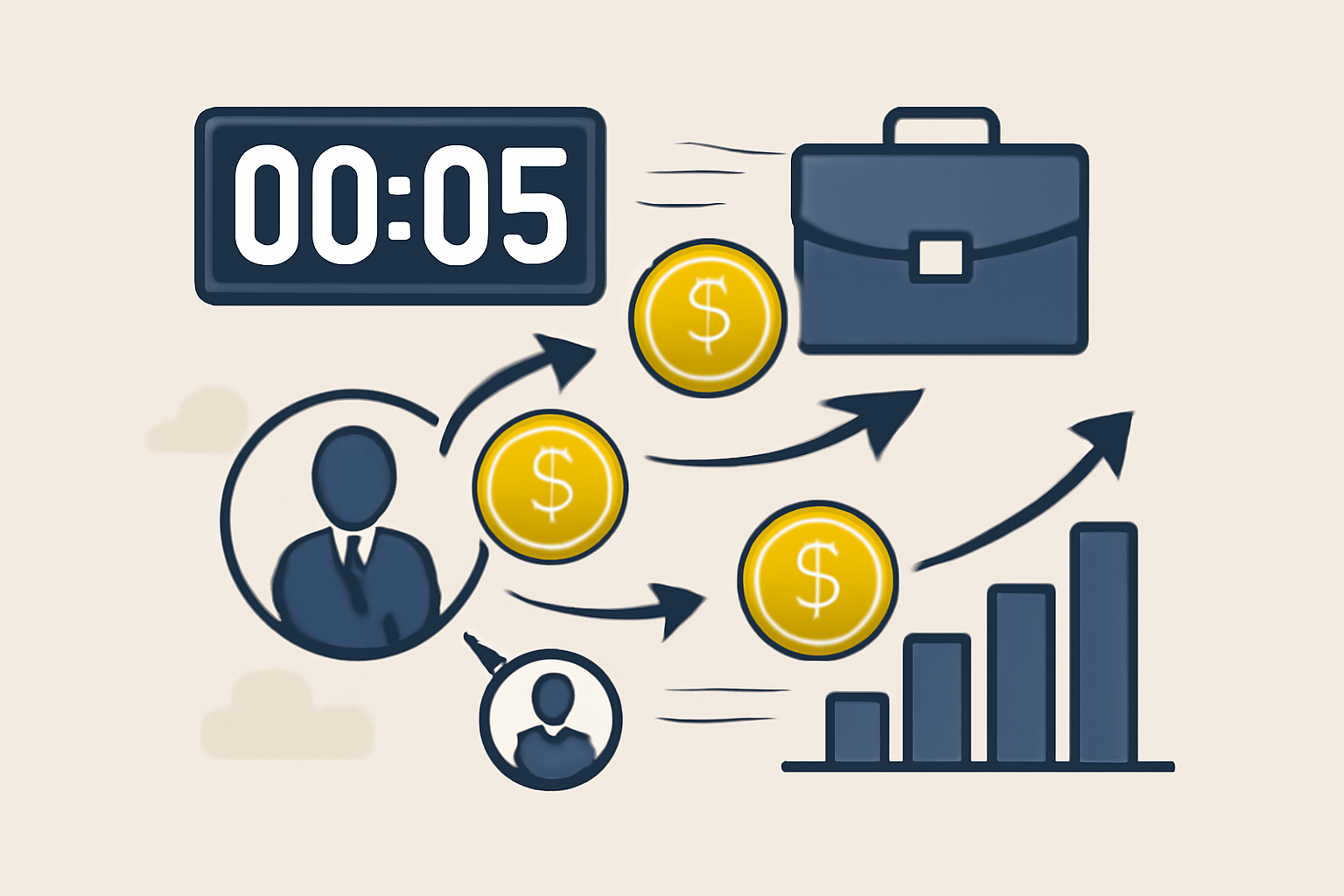
- Sub-Second Transaction Finality: Stable delivers sub-second finality, ensuring that transactions are confirmed almost instantly for both retail and enterprise use cases.
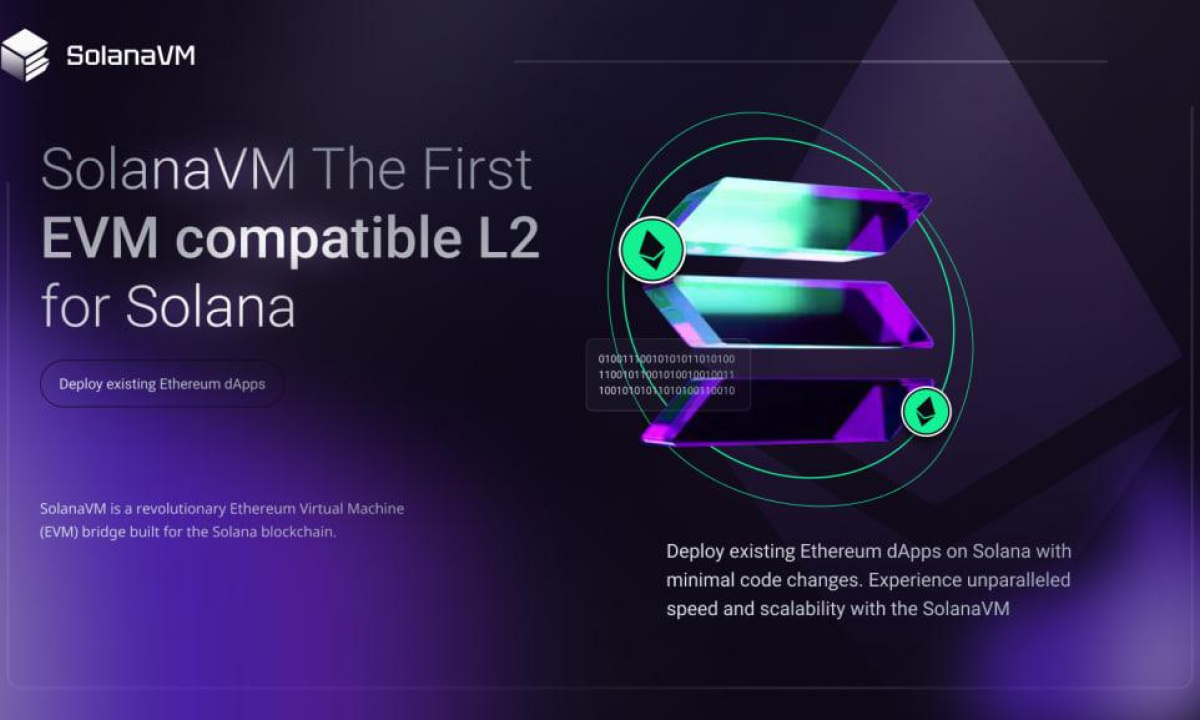
- EVM Compatibility: Built to support the Ethereum Virtual Machine (EVM), Stable allows developers to deploy and interact with existing Ethereum-based smart contracts seamlessly.
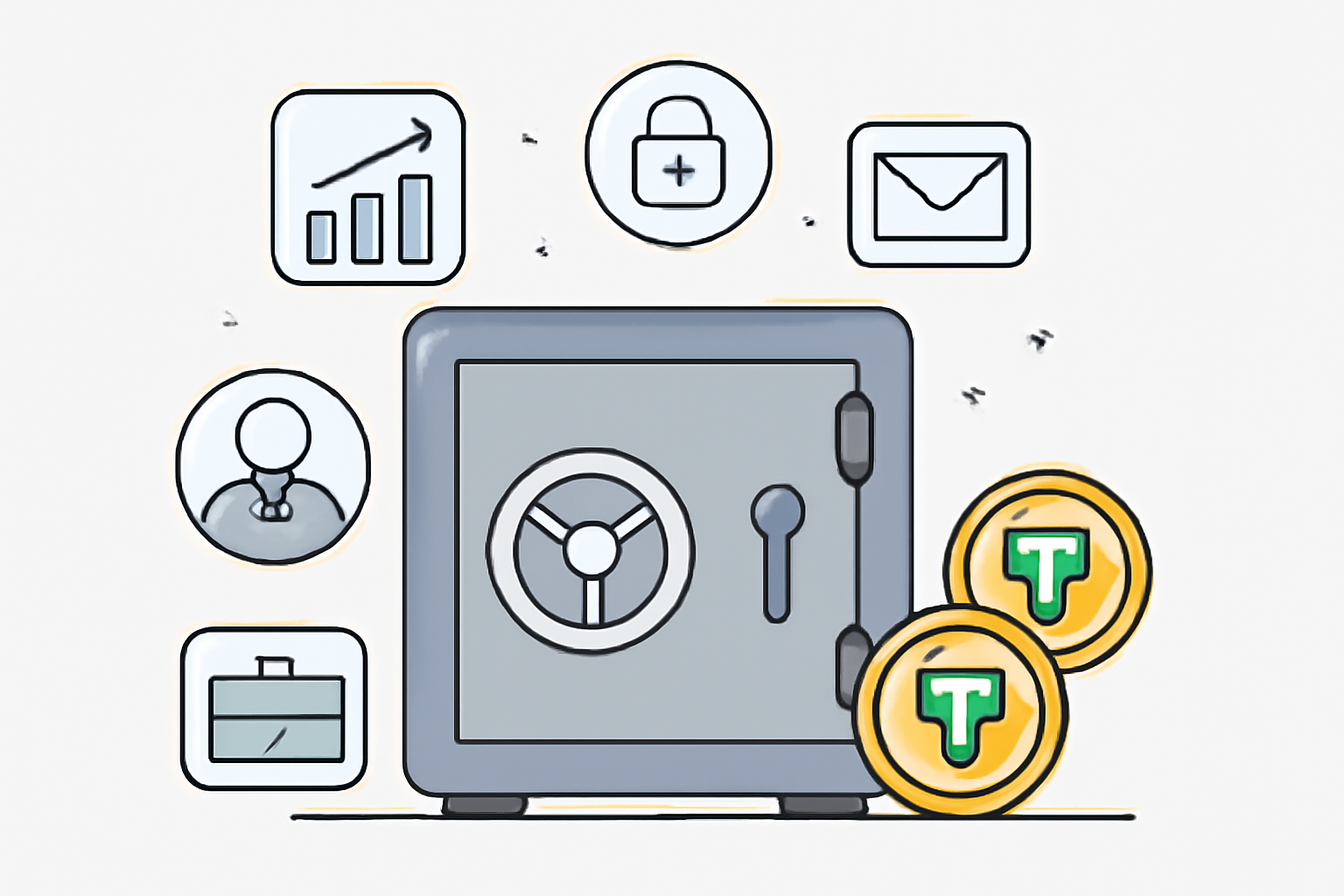
- Confidential Transfers: The platform offers confidential transfer features to enhance user privacy and meet enterprise requirements for secure, private transactions.
- Guaranteed Blockspace Allocation: Stable provides guaranteed blockspace for enterprise clients, ensuring reliable and predictable transaction processing even during periods of high network demand.
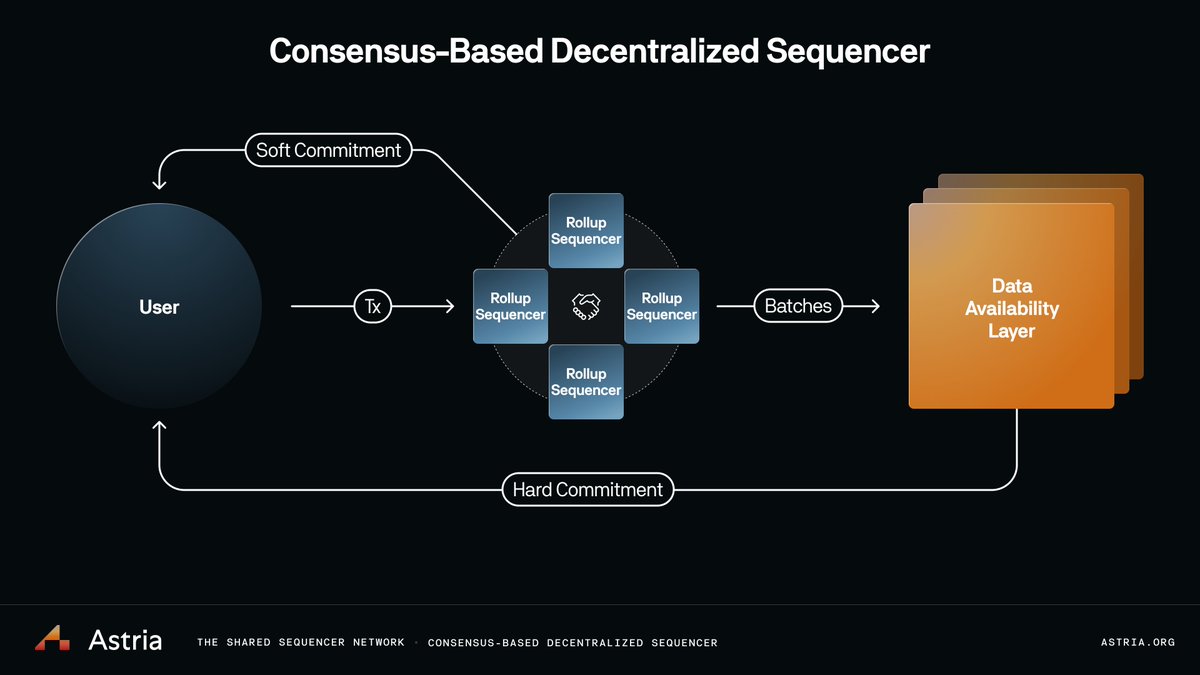
Stable also introduces guaranteed blockspace allocation and confidential transfer options - features designed to meet the needs of institutional players who demand reliability and privacy in high-volume payment environments.
Strategic Backing and Ecosystem Momentum
Backing from industry heavyweights like Bitfinex and Tether signals strong conviction in Stable’s mission. In July 2025, the project secured $28 million in seed funding, led by Bitfinex and Hack VC with participation from Franklin Templeton and Castle Island Ventures (see funding announcement). This capital injection is earmarked for scaling network infrastructure and accelerating global USDT adoption via purpose-built financial rails.
The timing could not be more strategic. As cross-border payments volume surges and regulatory scrutiny on stablecoins intensifies, platforms capable of offering compliant, low-friction solutions are set to capture outsized market share.
The Technology Stack: Built for Speed and Compatibility
Stable runs on its proprietary consensus protocol (StableBFT) while remaining compatible with the Ethereum Virtual Machine (EVM). This hybrid approach ensures developers can easily port existing DeFi applications while benefiting from sub-second finality times - a crucial requirement for real-time payments at scale.
For users and enterprises accustomed to the bottlenecks of legacy blockchains, Stable’s architecture offers a marked departure. By integrating USDT natively at every layer, Stable removes the guesswork from transaction costs and delivers a user experience that mirrors traditional digital payments, without the hidden volatility or settlement delays.
This focus on gasless peer transfers is not just a technical novelty, it fundamentally changes how value can move across borders. Small-value remittances, which are often eaten up by fees on other chains, become practical and scalable. For merchants and payment processors, this means the ability to settle in USDT directly, with no need for complex token swaps or exposure to network fee spikes.
Ecosystem Impacts: What Stable Means for Stablecoin Adoption
The ripple effects of launching a Layer 1 chain purpose-built for stablecoin payments extend far beyond lower fees. By removing friction points, Stable may accelerate mainstream adoption of stablecoins as programmable money. This is particularly relevant in emerging markets where access to USD-backed assets can be transformative for both individuals and businesses.
Stable’s EVM compatibility also ensures that existing DeFi protocols can migrate or integrate with minimal friction, unlocking new use cases for lending, remittances, payroll, and B2B settlement, all denominated natively in USDT. As more projects onboard to Stable’s ecosystem, network effects will likely drive liquidity and utility for USDT even further.
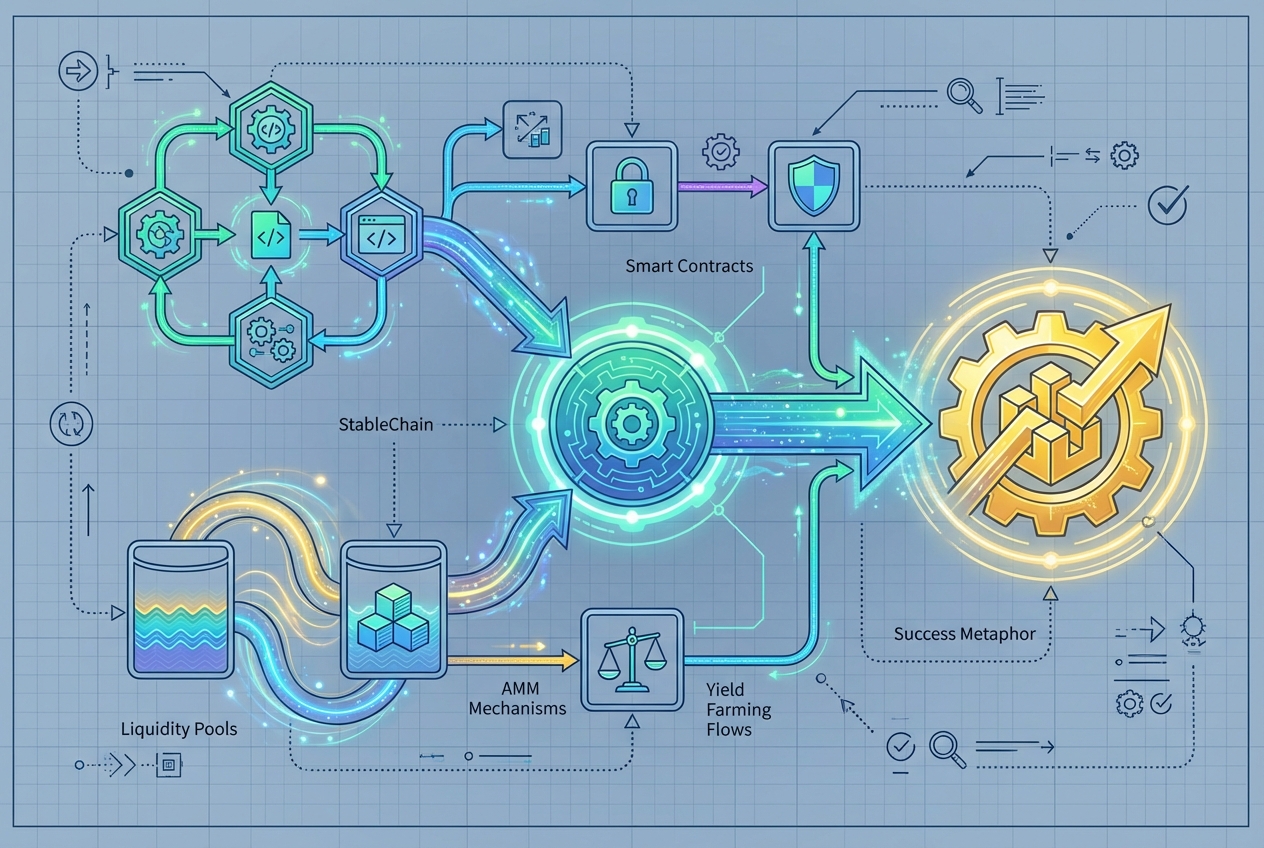
How Stable Accelerates Global Stablecoin Adoption: A Step-by-Step Guide

Enterprise-grade features such as guaranteed blockspace allocation and confidential transfers position Stable as an attractive platform not just for retail users but also fintechs and institutions seeking robust payment rails. The combination of speed, predictability, and privacy could make it the go-to infrastructure for next-generation financial applications.
Challenges Ahead, and What to Watch
No innovation comes without hurdles. While Stable’s design solves critical pain points around usability and cost, its long-term success will depend on several factors:
- Network security: As a new Layer 1 chain, establishing trust through robust security practices is paramount.
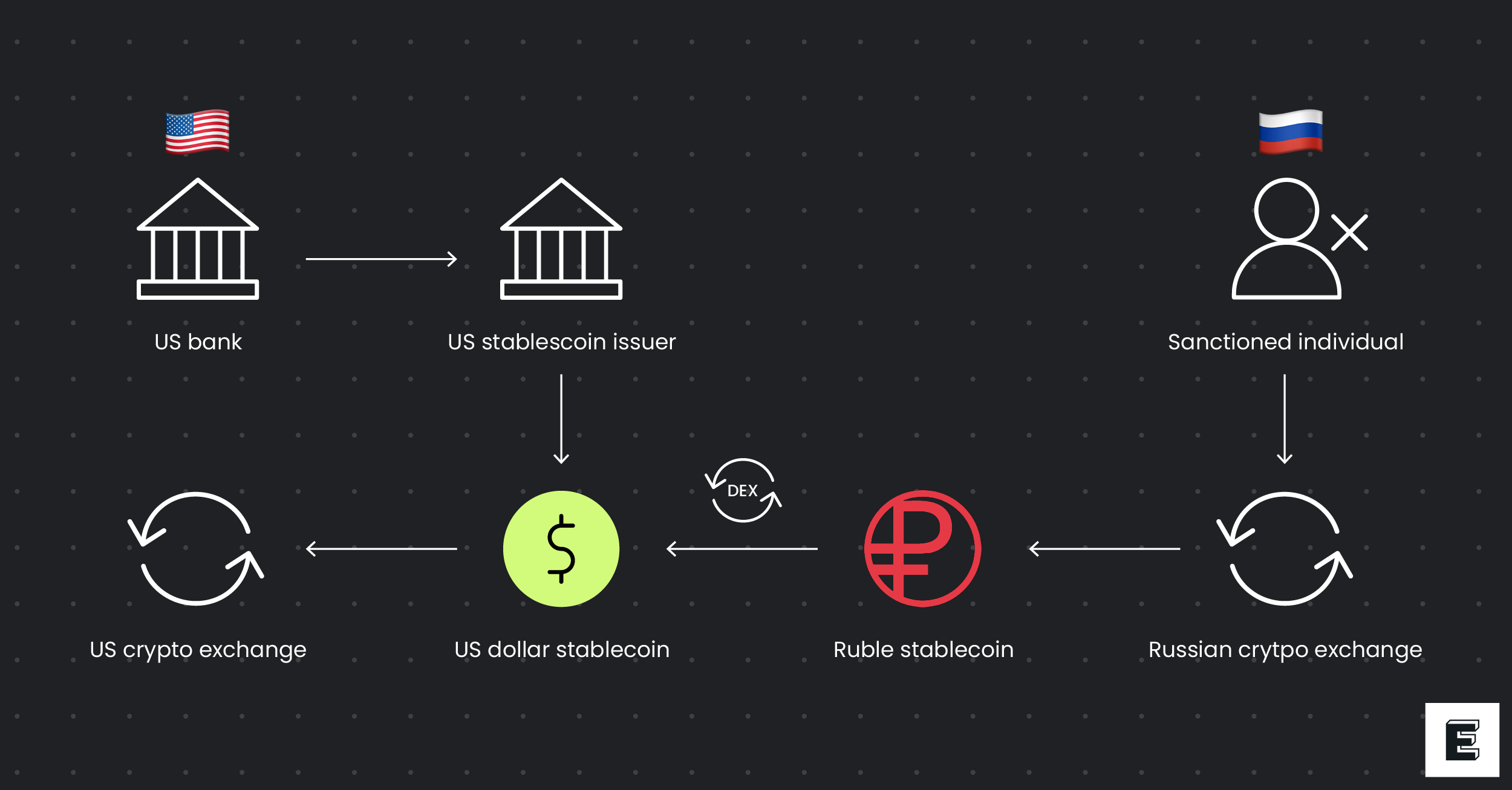
- Regulatory clarity: With global regulators scrutinizing stablecoins closely, compliance frameworks will be essential for institutional adoption.
- Ecosystem growth: Attracting developers and liquidity providers will be key to sustaining network effects beyond initial hype.
The involvement of Bitfinex and Tether offers both credibility and resources, but also puts the project under the microscope given ongoing debates about stablecoin reserves and transparency. Market participants should monitor how governance evolves as the ecosystem scales.
The New Standard for Stablecoin Payments?
If successful at scale, Stable could set a new benchmark for what users expect from stablecoin payment infrastructure: instant settlement with zero friction in their preferred unit of account. This model stands in stark contrast to legacy chains where transaction costs are opaque or denominated in volatile native tokens.
The next phase will hinge on adoption metrics, how quickly wallets, exchanges, remittance platforms, merchants, and DeFi protocols build atop this new foundation. Early signals suggest strong momentum as industry stakeholders seek reliable rails for digital dollar flows globally (see technical documentation).
No matter how you slice it, Stable’s USDT-native approach is forcing a rethink of what seamless value transfer should look like in Web3, and may well shape the next chapter of real-world stablecoin utility.


No comments yet. Be the first to share your thoughts!