
Stablecoin volume hits record highs
Adjusted stablecoin transaction volume reached a record $1.79 trillion in June 2026, representing a 63 percent increase from May and a 125 percent jump compared to June 2025. This surge contributed to $8.82 trillion in total volume for the first half of the year, signaling a structural shift from passive holding to active transactional use across regulated and unregulated channels.
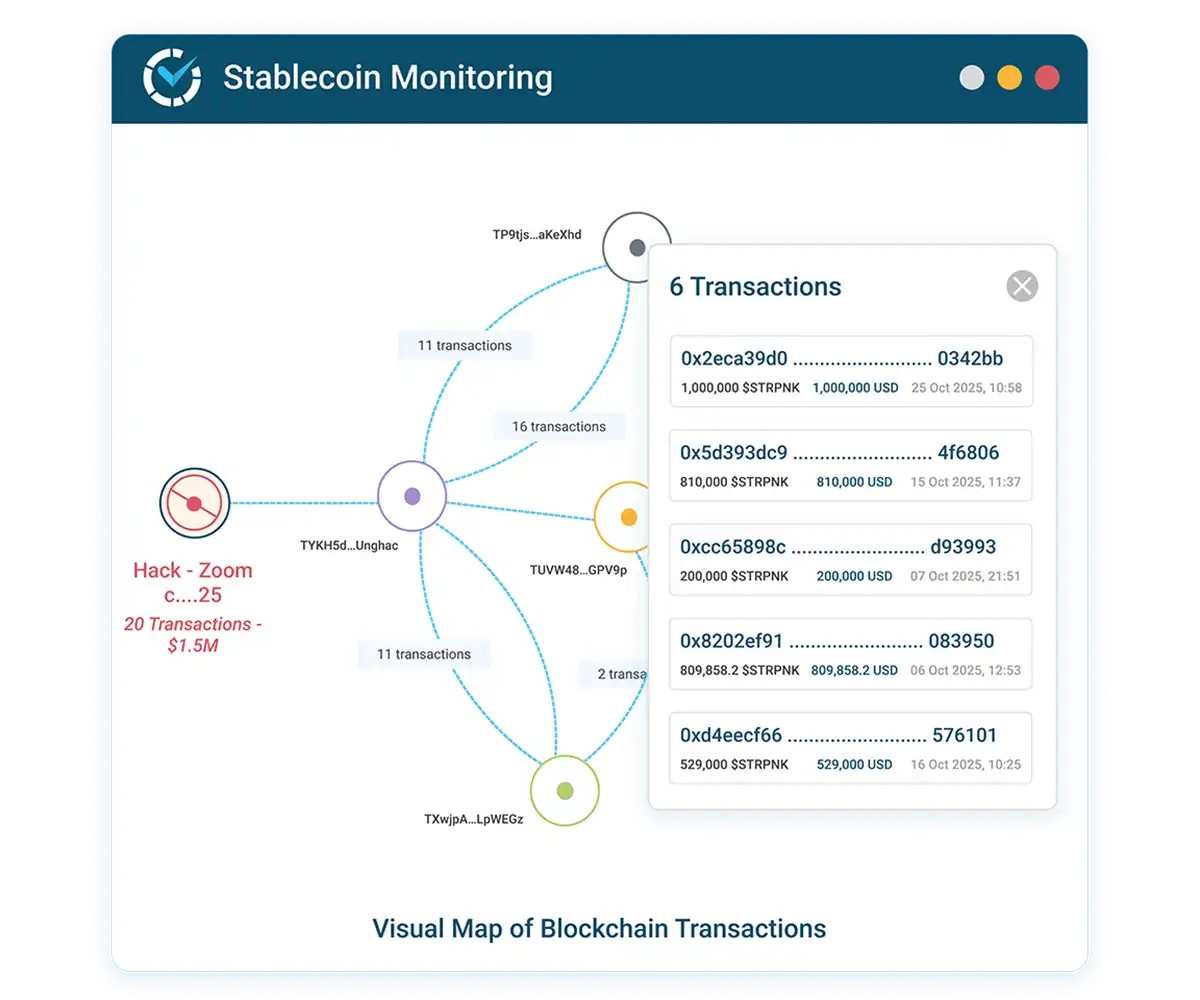
The scale of this activity demands rigorous compliance frameworks. As noted by Stripe, these flows must be treated like any other sensitive financial process, requiring verification, multisig approvals, audits, and continuous wallet monitoring to mitigate risk. The market is no longer just about capital preservation; it is about high-velocity settlement.
To visualize this trajectory, the following chart illustrates the market cap and volume trends for USDT over the last 12 months, highlighting the recent peak in June 2026.
USDC and USDT market share split
The stablecoin landscape in 2026 is defined by a structural divergence between exchange-centric trading and institutional settlement. While USDT (Tether) retains dominance in spot trading volume, USDC (Circle) has captured significant ground in real-world asset (RWA) tokenization and regulated compliance flows. This split reflects differing regulatory postures: USDT operates with a broader, less centralized footprint, while USDC aligns closely with US regulatory frameworks, making it the preferred vehicle for institutional capital.
Exchange Trading Dominance
USDT remains the default settlement layer for centralized exchanges. As of Q1 2026, USDT carries roughly $50–80 billion in daily spot volume across major platforms like Binance, OKX, Bybit, and HTX, according to CoinGecko exchange data. Most BTC, ETH, and altcoin pairs are quoted in USDT, not USD. This entrenched liquidity creates a high barrier to entry for competitors in the trading sector, as traders prioritize depth and immediate execution over compliance features.
Institutional and RWA Flows
USDC is gaining traction in areas requiring strict adherence to US financial regulations. Circle’s transparency reports and regular attestations make USDC the preferred stablecoin for institutional investors, particularly in the rapidly growing RWA sector. Adjusted stablecoin transaction volume hit a record $1.79 trillion in June 2026, with USDC capturing a disproportionate share of this growth due to its utility in tokenized treasuries and cross-border institutional payments. This trend highlights a shift where compliance is a feature, not a friction point.
| Feature | USDT | USDC |
|---|---|---|
| Primary Use Case | Exchange Trading | Institutional/RWA Settlement |
| Daily Volume (Q1 2026) | $50–80B (Spot) | Growing (Transaction-led) |
| Regulatory Status | Offshore, Less Centralized | US-Compliant, Transparent |
| Key Markets | Asia, Global Retail | US, Institutional |
The choice between USDT and USDC is no longer about which is "better" in a vacuum, but which aligns with the user’s operational needs. Traders seeking maximum liquidity on centralized exchanges will continue to favor USDT. Institutions, however, are increasingly migrating to USDC to mitigate regulatory risk and access tokenized asset markets. This bifurcation is likely to persist, with each stablecoin solidifying its position in its respective niche.
Regulation reshaping payment flows
Global regulatory frameworks are no longer theoretical constraints; they are the structural foundation of the 2026 stablecoin economy. The implementation of the European Union’s Markets in Crypto-Assets (MiCA) regulation and the emergence of clear US federal guidelines have forced issuers to align with traditional finance standards. This alignment is not merely a compliance exercise—it is the primary driver of institutional trust. By mandating reserve transparency, regular attestations, and strict anti-money laundering (AML) protocols, regulators have effectively raised the barrier to entry, separating legitimate payment infrastructure from speculative assets.
For issuers like Circle and Tether, this regulatory pressure has reshaped their operational DNA. USDC has leveraged its compliance-first architecture to become the preferred settlement layer for institutional players who require auditability. Conversely, USDT, while maintaining dominant retail volume, faces increasing scrutiny that demands greater reserve transparency. The divergence in their market positions is now directly tied to their regulatory posture. Institutions are not choosing between tokens based on price stability alone; they are choosing based on regulatory risk mitigation. The token that operates within the clearest legal framework becomes the default for corporate treasury management and cross-border settlement.
This shift is accelerating the integration of stablecoins into the broader financial system. As noted by The Payments Association, new global rules are actively shaping demand for US debt and pressuring jurisdictions like the UK to finalize their own frameworks. The result is a market where regulatory clarity is the most valuable asset. Companies that previously viewed stablecoins as a risky experiment are now deploying them for payroll, supply chain payments, and treasury diversification, precisely because the regulatory environment has reduced the liability profile.
The scale of this transition is evident in the total addressable market. Stablecoin cross-border payments now represent a market of upwards of $17.9 trillion, according to market sizing data cited by Forbes. This figure underscores that stablecoins are moving from theoretical utility to practical infrastructure. The regulatory frameworks that once seemed like obstacles are now the very mechanisms enabling this trillion-dollar migration. As compliance becomes standardized, the friction that once hindered adoption is being replaced by the predictability that institutions require.
Real-world assets drive new liquidity
The structural utility of stablecoins is shifting from speculative trading pairs to tangible yield generation. Tokenized real-world assets (RWA), particularly U.S. Treasuries and private credit, are becoming the primary reservoir for stablecoin liquidity. This transition marks a move away from pure exchange trading volume toward regulated, compliance-heavy financial infrastructure.
Regulatory frameworks are increasingly favoring stablecoins that demonstrate clear backing by high-quality liquid assets. Circle’s USDC has positioned itself as the compliant counterpart to Tether’s USDT by prioritizing transparency and regulatory alignment. As institutional capital enters the space, the demand for stablecoins that function as a bridge to traditional finance (TradFi) is outpacing demand for those used solely for crypto speculation.
The volume data supports this structural shift. Adjusted stablecoin transaction volume reached $1.79 trillion in June 2026, with USDC capturing a growing share of this flow due to its RWA integration. This growth is not driven by retail speculation but by institutional treasury management and cross-border settlement needs that require legal clarity and asset backing.
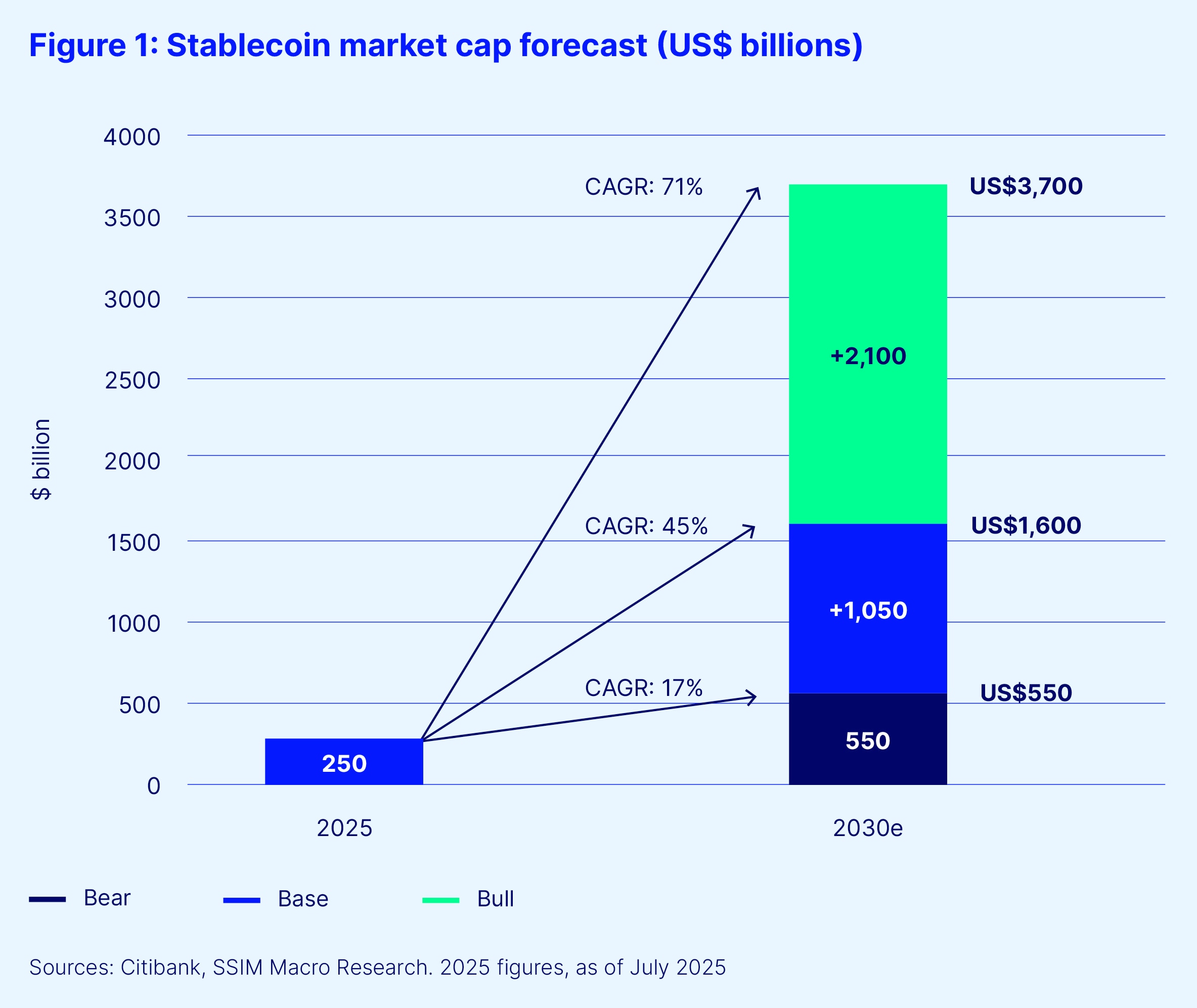
This trend suggests that future market share will be determined by compliance and asset quality rather than mere network effect. Stablecoins that fail to integrate with regulated RWA markets risk being relegated to peripheral, high-risk trading environments, while those that offer seamless, compliant access to traditional yields will dominate institutional flows.
Key questions on stablecoin utility
Compliance teams and treasury managers often look for clear directives when selecting a settlement layer. The choice between USDC and USDT depends on the specific regulatory environment and the counterparty risk profile of the exchange involved.
When treating stablecoin flows like any other sensitive financial process, verification, multisig approvals, and wallet monitoring are essential. The structural integrity of these assets relies on transparent reserve audits and adherence to evolving regulatory frameworks rather than speculative price action.
No comments yet. Be the first to share your thoughts!