
Market scale and volume shifts
Stablecoins have transitioned from a niche crypto asset class to a foundational layer of global payments. By February 2026, the total value settled by stablecoins reached $7.2 trillion, surpassing the volume of the US Automated Clearing House (ACH) network for the first time. This milestone underscores a structural shift in cross-border liquidity, where digital dollars increasingly compete with traditional banking rails for settlement dominance.
The geographic center of gravity for these flows has moved decisively toward Asia. Data indicates that nearly two-thirds of stablecoin transaction volume in the first quarter of 2026 originated from the region. This surge is driven by remittance corridors, trade finance integration, and the rapid adoption of digital payment infrastructure in markets where traditional banking access remains limited or costly.
To visualize this growth trajectory, the following chart illustrates the expansion of stablecoin market capitalization and transaction volume over the past twelve months.
This volume increase coincides with heightened regulatory scrutiny. As stablecoins handle amounts previously reserved for major clearinghouses, compliance frameworks are tightening. The convergence of massive scale and rigorous oversight defines the current landscape for institutional capital entering the stablecoin sector.
RWA tokenization driving inflows
Real-world asset (RWA) tokenization has shifted from experimental pilot programs to a primary driver of institutional stablecoin capital. By converting traditional assets like treasury bills, private credit, and real estate into on-chain tokens, the market is creating a bridge between legacy finance and digital liquidity. This mechanism moves stablecoin utility beyond retail speculation, embedding it into the operational infrastructure of global capital markets.
The demand for yield in a high-interest-rate environment has accelerated this trend. Institutional investors are increasingly deploying stablecoins to access tokenized short-term government debt, which offers transparent, programmable yields that traditional banking rails often obscure. This shift is not merely about technological novelty; it is about efficiency. Tokenization reduces settlement times from days to seconds and eliminates many intermediary costs associated with cross-border asset management.
Data from payment infrastructure providers supports this structural shift. Thunes reports that 2026 is defined by stablecoins functioning as practical tools for moving liquidity across borders, driven by tighter regulations and a need for speed in B2B flows. Similarly, Reap and OpenFX highlight how tokenized assets are becoming standard collateral in decentralized finance (DeFi) protocols, allowing institutions to leverage real-world value without liquidating positions.
This integration is reshaping the stablecoin landscape. As more capital flows into tokenized RWAs, stablecoins transition from speculative instruments to essential plumbing for global payments and treasury operations. The result is a more robust, transparent, and efficient financial system where digital dollars back real-world value.
Regulatory frameworks and compliance
Stablecoin regulation in 2026 has forced a structural divergence in capital flows. Jurisdictions with clear frameworks, such as the European Union under MiCA, have established regulated rails that prioritize compliance and consumer protection. This clarity has accelerated institutional adoption, as firms can now integrate stablecoin payments with the same legal certainty as traditional fiat transfers. The Payments Association notes that these new global rules are reshaping payment infrastructure by accelerating adoption and shaping demand for US debt-backed assets.
Conversely, jurisdictions without finalized frameworks face capital flight to offshore liquidity pools. The UK, for example, is still finalizing its own framework, creating a regulatory vacuum that pushes institutional capital toward established hubs. This split is not merely theoretical; it is visible in transaction volumes. Regulated rails handle the bulk of institutional settlement, while offshore exchanges capture high-risk, high-volume speculative flows. This bifurcation means that 2026 is less about the rise of stablecoins and more about the segregation of compliant capital from unregulated liquidity.
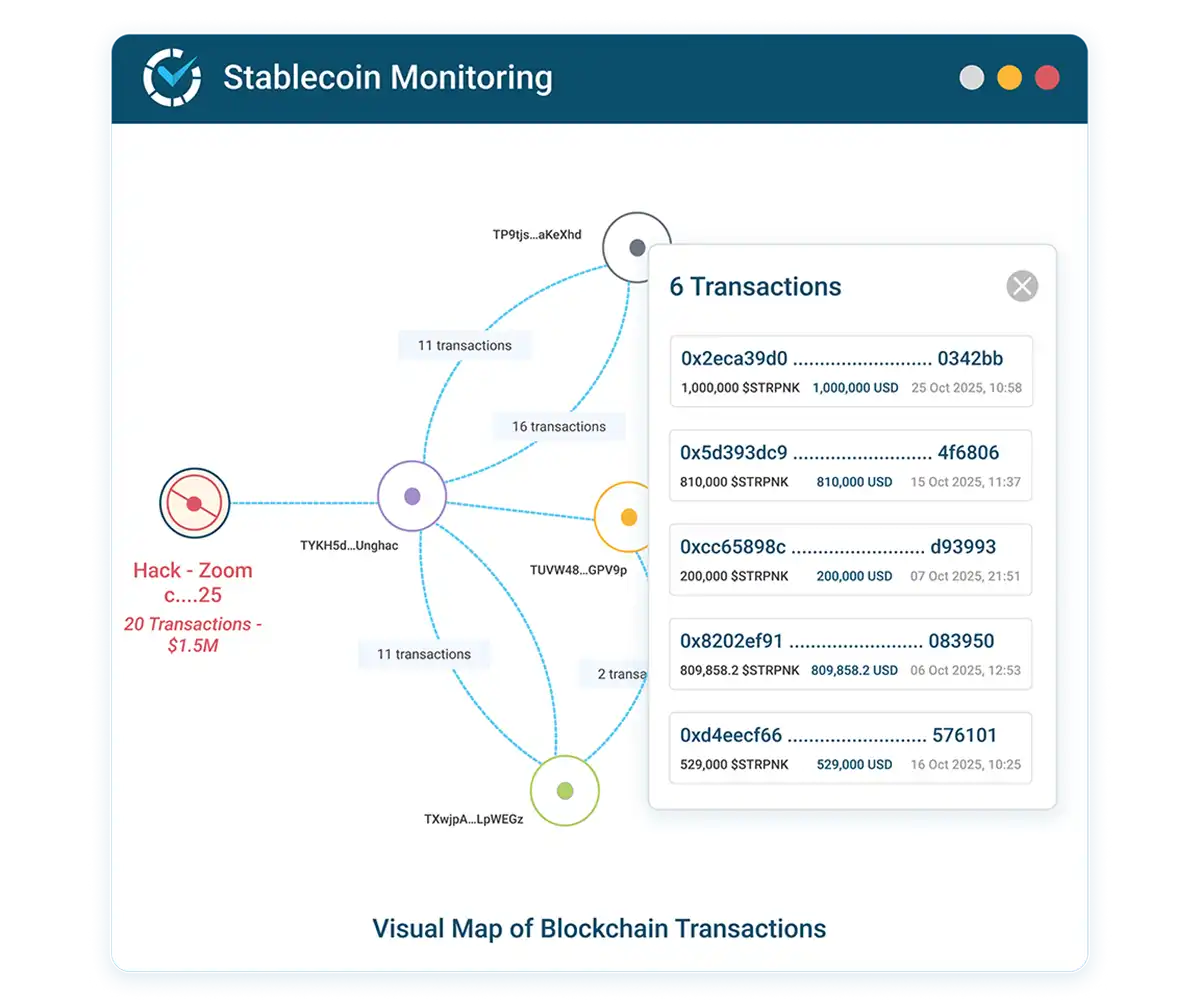
For businesses, this regulatory landscape demands rigorous internal controls. Stripe’s 2026 analysis emphasizes that stablecoin flows must be treated with the same scrutiny as other sensitive financial processes. This means implementing multi-signature approvals, continuous wallet monitoring, and regular third-party audits. Compliance is no longer optional; it is the primary gatekeeper for institutional capital.
The impact on RWA tokenization is significant. Real-world assets require stable, compliant settlement layers to attract institutional investors. The regulatory split ensures that only assets settled on compliant rails will see significant institutional inflow, while those on unregulated platforms remain isolated from traditional finance.
Cross-border payments and B2B use
Despite explosive growth in absolute volume, stablecoins remain a marginal tool for global commerce. According to OpenFX’s 2026 report, stablecoins account for just 1% of global payment flows, a share that has remained stubbornly unchanged since 2023. This stagnation in market penetration highlights the gap between technological capability and enterprise adoption.
For B2B transactions, the primary value proposition lies in speed and cost efficiency compared to legacy infrastructure. Traditional cross-border payments often rely on the SWIFT network, which can take several days to settle and involves multiple intermediary banks that charge fees. In contrast, stablecoins offer near-instant settlement and significantly lower transaction costs, particularly for high-frequency or high-value transfers.
The following comparison illustrates the operational differences between stablecoin rails and traditional banking methods.
| Metric | Stablecoin | SWIFT / ACH |
|---|---|---|
| Settlement Time | Seconds to Minutes | 1-5 Business Days |
| Cost per Transaction | <$1 (network fee) | $15-$50+ |
| Availability | 24/7 | Business Hours Only |
| Finality | Irreversible on-chain | Reversible before settlement |
While the efficiency gains are clear, adoption is constrained by regulatory uncertainty and the need for interoperability. Thunes notes in its 2026 trends report that stablecoins are becoming a practical tool for moving liquidity, yet enterprises are cautious about integrating new rails without clear regulatory frameworks. The low percentage of global flows reflects not a lack of utility, but the slow pace of institutional compliance and legacy system integration.
Holder behavior signals long-term institutional confidence
Stablecoin holder behavior is shifting from speculative trading to strategic accumulation. According to the BVNK Utility Report 2026, half of all stablecoin holders increased their holdings in the last 12 months, and 56% plan to acquire more in the near future. This accumulation pattern suggests that market participants view stablecoins as a core treasury asset rather than a short-term trading vehicle.
The scale of this activity is evident in settlement volumes. Stablecoins settled $7.2 trillion in February 2026, surpassing the US ACH network for the first time, as reported by Reap. This milestone highlights the transition of stablecoins from a niche crypto utility to a primary layer for global value transfer. The rise in holdings correlates with this increased utility, as institutions hold stablecoins to facilitate immediate cross-border liquidity.
Regulatory clarity has further entrenched this behavior. With frameworks in place for reserve audits and compliance, institutional capital is less likely to rotate out of stablecoins during market volatility. Instead, these assets are being integrated into broader financial infrastructure, supporting the tokenization of real-world assets (RWA) and providing a stable base for institutional crypto operations.
No comments yet. Be the first to share your thoughts!