
The shift from trading to utility
For years, stablecoins operated primarily as speculative leverage within crypto markets. In 2026, that dynamic has fundamentally shifted. The narrative has moved from "crypto-native" trading pairs to broader financial infrastructure, driven by the tokenization of real-world assets (RWA) and institutional adoption.
The data supports this pivot. With more stablecoin transfers recorded in 2024 than Visa and Mastercard combined, the volume metric is undeniable. However, this volume represents a tiny fraction of global payment value—roughly 1% of total flows, a share that has remained stubbornly unchanged since 2023 despite explosive absolute growth. This discrepancy highlights the gap between transaction count and actual economic utility.
The growth engine is no longer retail arbitrage but institutional settlement. Banks, merchants, and payment service providers are integrating stablecoins not for speculation, but for efficiency. As highlighted in the Global Stablecoins Report 2026, the focus is on reshaping payments for traditional financial entities rather than expanding the crypto speculative loop.
This transition is facilitated by RWA tokenization. By putting tangible assets on-chain, stablecoins become the settlement layer for real value, not just digital IOUs. This shift from trading volume to utility is the defining characteristic of the 2026 stablecoin landscape.
RWA Tokenization Drives New Flows
Real-world asset (RWA) tokenization is shifting stablecoin flows from speculative trading into institutional settlement. While the majority of stablecoin volume historically supported crypto-to-crypto trading, tokenized securities and money market funds are creating a parallel, high-liquidity corridor for traditional capital.
Deutsche Bank’s 2026 outlook notes that approximately 85% to 90% of stablecoins remain tied to crypto trading, yet this metric masks a structural shift. Institutional players are increasingly deploying stablecoins as a settlement layer for tokenized treasuries and private credit. This movement transforms stablecoins from a trading pair into a functional currency for on-chain balance sheets.
The convergence of regulated issuers and on-chain rails allows institutions to move capital with the speed of crypto and the compliance of traditional finance. As tokenized assets grow, stablecoin flows will increasingly reflect institutional yield-seeking behavior rather than retail speculation, creating a more stable and utility-driven market for 2026.
Cross-border payments take shape
The transition of stablecoins from speculative assets to practical settlement rails is accelerating in 2026. While stablecoins remain a small fraction of global payment flows by value, their absolute volume is growing exponentially as businesses seek faster alternatives to traditional correspondent banking. This shift is particularly evident in B2B transactions, where speed and cost efficiency are paramount.
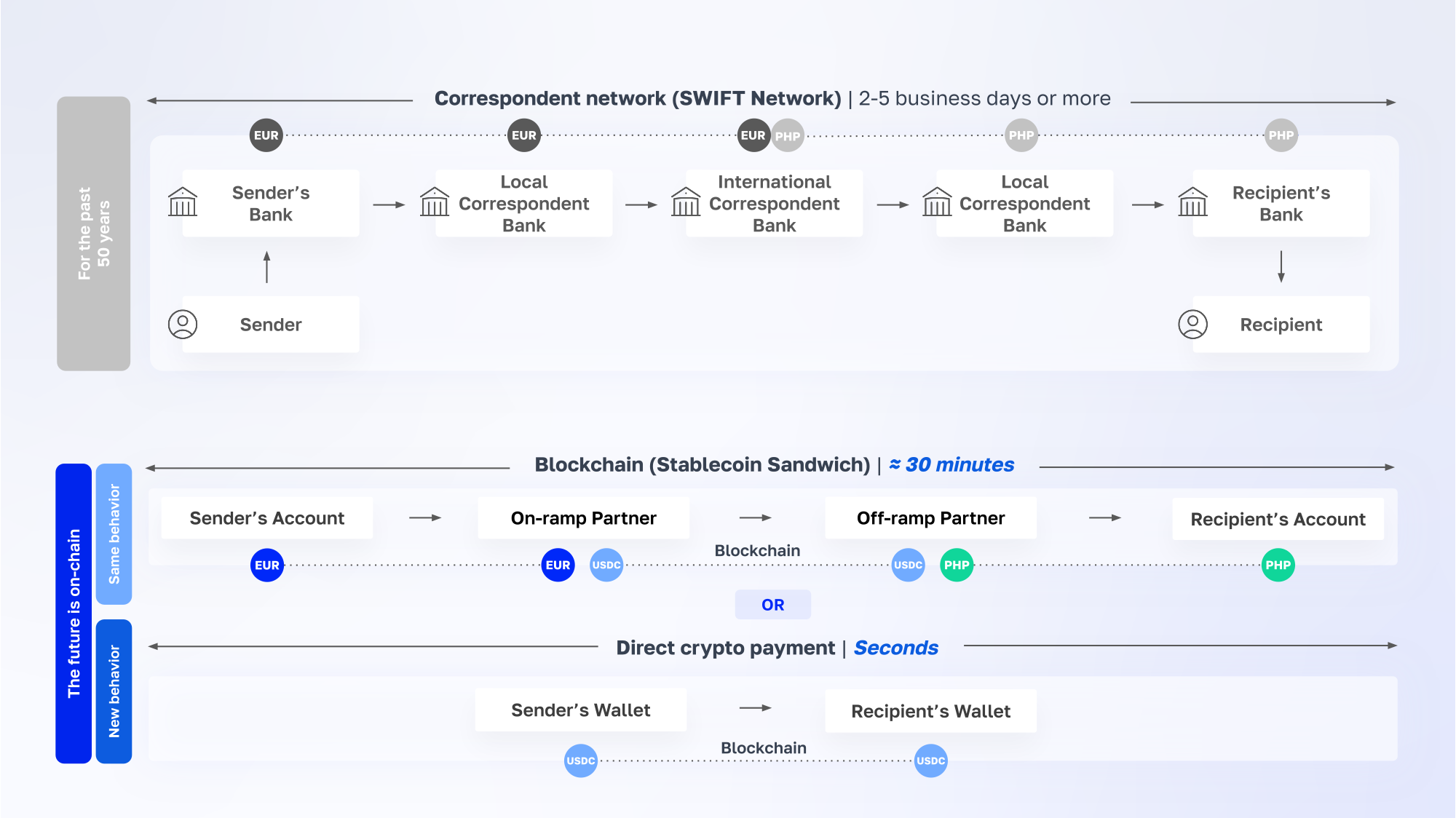
For cross-border B2B payments, the primary driver is the elimination of intermediary delays. Traditional wire transfers often take two to five days to settle, involving multiple correspondent banks and hidden fees. Stablecoin transfers settle in minutes, regardless of the time zone or banking holidays. This efficiency is transforming how multinational corporations manage liquidity, allowing them to hold less capital in transit and improve cash flow visibility.
In the B2C sector, stablecoins are reshaping remittance corridors. Migrant workers sending money home benefit from significantly lower fees compared to traditional money transfer operators. Platforms integrated with stablecoin rails can offer near-instant settlement to recipients in emerging markets, bypassing the inefficiencies of local banking infrastructure. This practical utility is driving adoption among fintechs and payment service providers who prioritize user experience over speculative trading volume.
Regulation reshapes capital movement
Regulatory clarity has become the primary driver for institutional capital allocation in 2026. The implementation of the Markets in Crypto-Assets (MiCA) regulation in the European Union and the progression of US stablecoin legislation have moved the industry from speculative experimentation to standardized compliance. For large financial institutions, this shift reduces the legal ambiguity that previously hindered large-scale deployment.
These frameworks enforce strict reserve requirements and regular attestation, effectively filtering out high-risk assets. The result is a consolidation of trust around regulated stablecoins. Institutions are increasingly preferring USDC and USD1 for treasury management because these assets meet the new transparency standards. This preference is driving a structural shift in how capital moves across borders, with stablecoins acting as a bridge between traditional banking rails and digital settlement.
However, this transition is not without risk. As noted by Stripe, large-scale stablecoin adoption could shift deposits away from traditional banks and concentrate reserves in a few key institutions. This concentration creates a new feedback loop where the health of the stablecoin ecosystem becomes tightly coupled with the stability of the underlying reserve assets. Regulators are now focused on ensuring that this concentration does not create systemic vulnerabilities.
The acceleration of adoption is evident in the demand for US debt-backed stablecoins. As noted by The Payments Association, new global rules are shaping this demand and pressuring other jurisdictions, such as the UK, to finalize their own frameworks. This regulatory harmonization is essential for seamless cross-border flows, allowing institutions to deploy capital with greater confidence and lower compliance overhead.
Best stablecoins for institutional use
Institutional capital prefers stablecoins that prioritize regulatory compliance and reserve transparency over raw trading volume. While Tether (USDT) dominates retail and exchange liquidity, USDC and USD1 offer the auditability required for treasury operations and cross-border settlement.
| Stablecoin | Reserve Transparency | Primary Liquidity | Regulatory Compliance |
|---|---|---|---|
| USDC | Monthly attestations by Big 4 firm | Institutional and fiat on/off ramps | US-regulated (Circle) |
| USD1 | Real-time on-chain proof of reserves | Emerging DeFi and RWA tokenization | Multi-jurisdictional structure |
| USDT | Quarterly attestation (limited detail) | Highest trading volume and exchange depth | Offshore structure (Tether Ltd) |
USDC remains the default choice for traditional finance integration. Its US-based regulatory framework and monthly third-party attestations provide the legal certainty banks require for custody and settlement. It is the primary vehicle for fiat on-ramps and off-ramps in regulated markets.
USD1 is gaining traction for RWA tokenization and DeFi yield strategies. Its real-time on-chain proof of reserves offers superior transparency for algorithmic trading and automated treasury management, though its liquidity is currently concentrated in specialized DeFi protocols rather than broad exchange markets.
USDT retains the largest market cap and deepest liquidity, making it indispensable for high-frequency trading and arbitrage. However, its offshore regulatory structure and limited reserve detail make it less suitable for conservative institutional balance sheets that require strict KYC/AML alignment.
For pure institutional custody and compliance, USDC offers the lowest friction. For yield generation and tokenized asset settlement, USD1 provides the necessary technical transparency. USDT remains the liquidity backbone of the crypto ecosystem but carries higher regulatory risk for traditional capital.
What to watch in stablecoin flows
Tracking stablecoin flows in 2026 requires shifting focus from retail speculation to the underlying mechanics of institutional adoption. The landscape is moving from theoretical discussions to practical utility, particularly in cross-border payments and real-world asset (RWA) tokenization. To navigate this shift, monitor these five concrete metrics that signal where capital is actually moving.
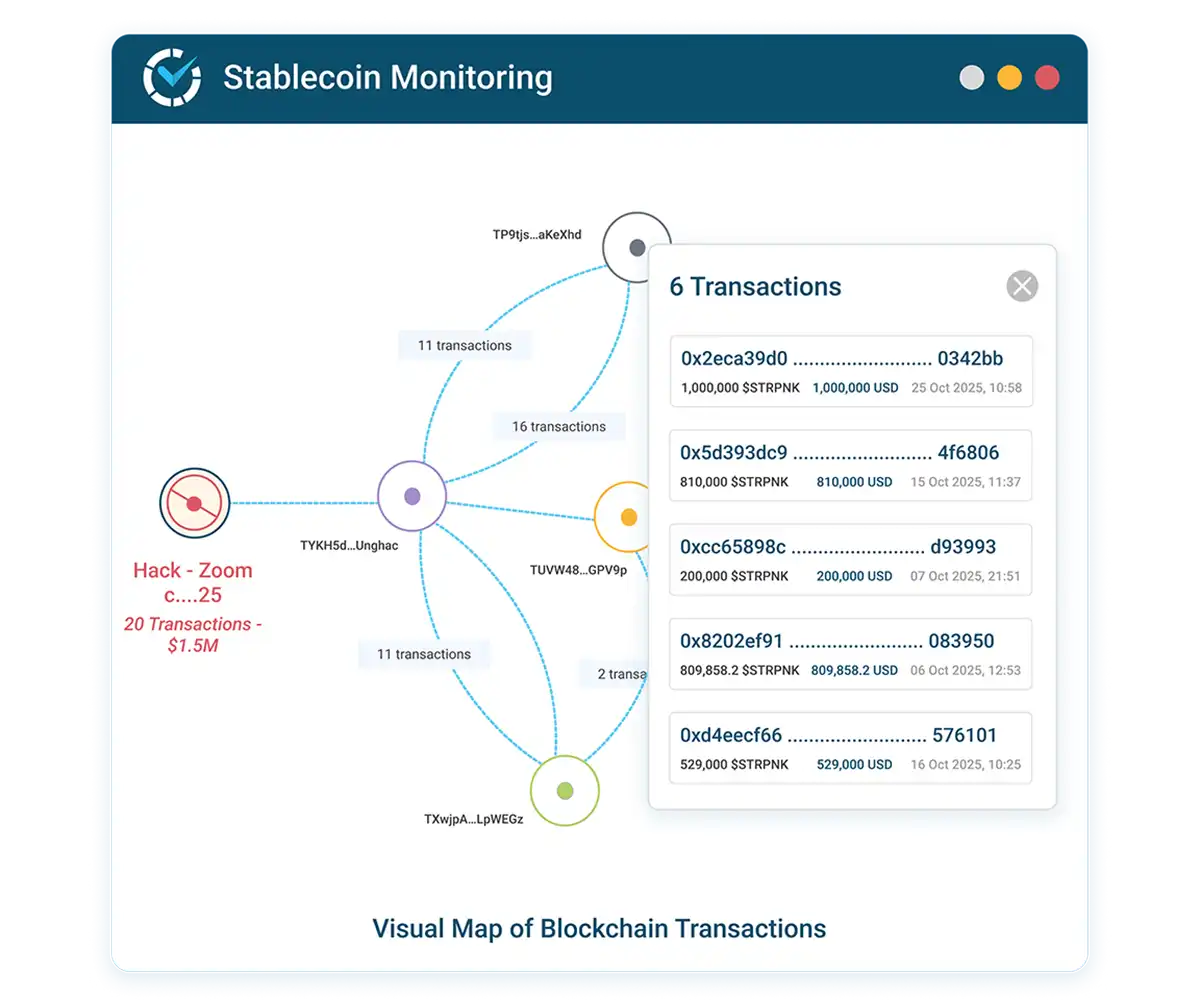
Institutional capital is increasingly tied to the quality of stablecoin reserves. Watch for changes in the proportion of short-term US Treasuries versus commercial paper. As noted by Deutsche Bank, the shift toward high-quality liquid assets reflects a demand for safety among institutional holders rather than speculative leverage.
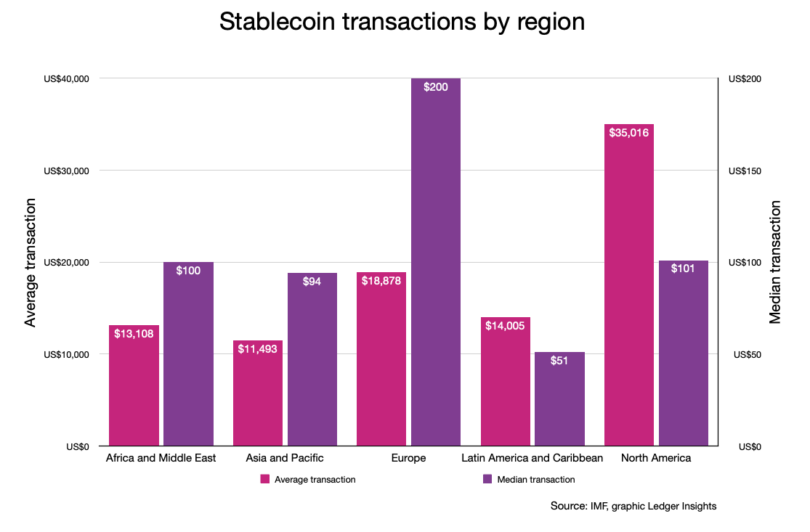
Regulatory clarity is the primary driver of institutional entry. Pay close attention to the finalization of frameworks like the US MiCA-equivalent rules or UK stablecoin regulations. New global rules are not just compliance hurdles; they are accelerating adoption by reducing legal ambiguity for banks and payment service providers.
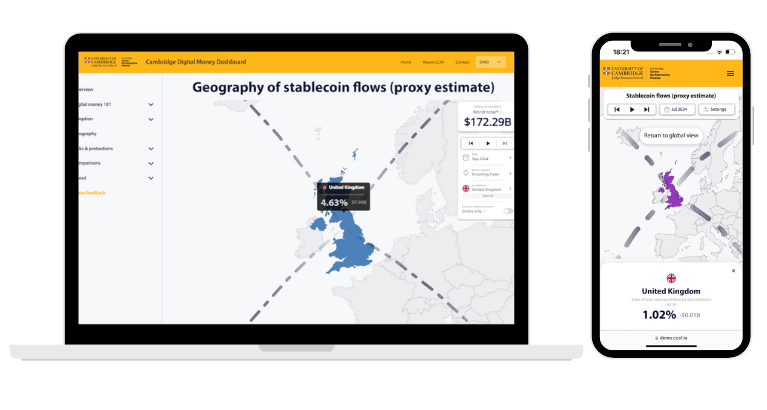
The utility of stablecoins is proving most robust in international remittances and B2B payments. Monitor volume data from payment rails like Stripe or Thunes. 2026 is seeing a tangible shift where stablecoins are used for actual liquidity movement across borders, offering speed and cost advantages over traditional SWIFT transfers.
Large-scale stablecoin adoption can shift deposits away from traditional banks. Track the correlation between stablecoin market cap growth and changes in bank deposit figures. A concentration of reserves in a few institutions creates a feedback loop that could impact traditional banking liquidity, a risk highlighted by recent industry analyses.
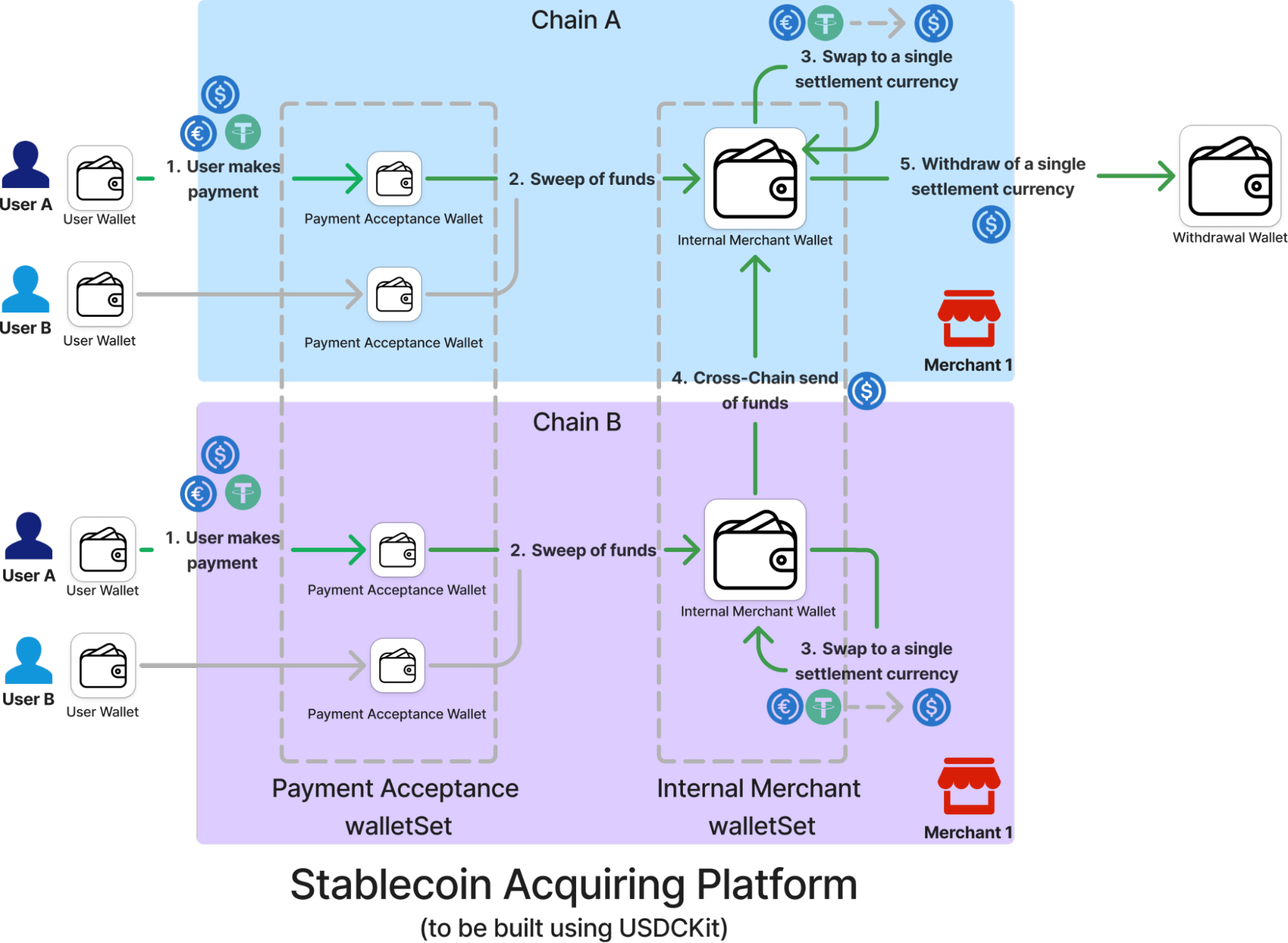
Institutional adoption is no longer a niche trend. Data shows that half of stablecoin holders have increased their holdings in the last 12 months, with 56% planning to acquire more. This sustained demand indicates a maturation of the asset class, moving beyond crypto-native users to broader corporate treasuries and financial institutions.
These metrics provide a clearer picture of the stablecoin ecosystem’s health. By focusing on reserve quality, regulatory progress, and actual payment volume, you can distinguish between temporary market noise and structural shifts in global capital flows.
Frequently asked: what to check next
Helpful gear
Use these product recommendations as a starting point, then choose the size, material, and price point that fit how you actually use the gear.


As an Amazon Associate, we may earn from qualifying purchases.
No comments yet. Be the first to share your thoughts!