
Stablecoin settlement volume hits new highs
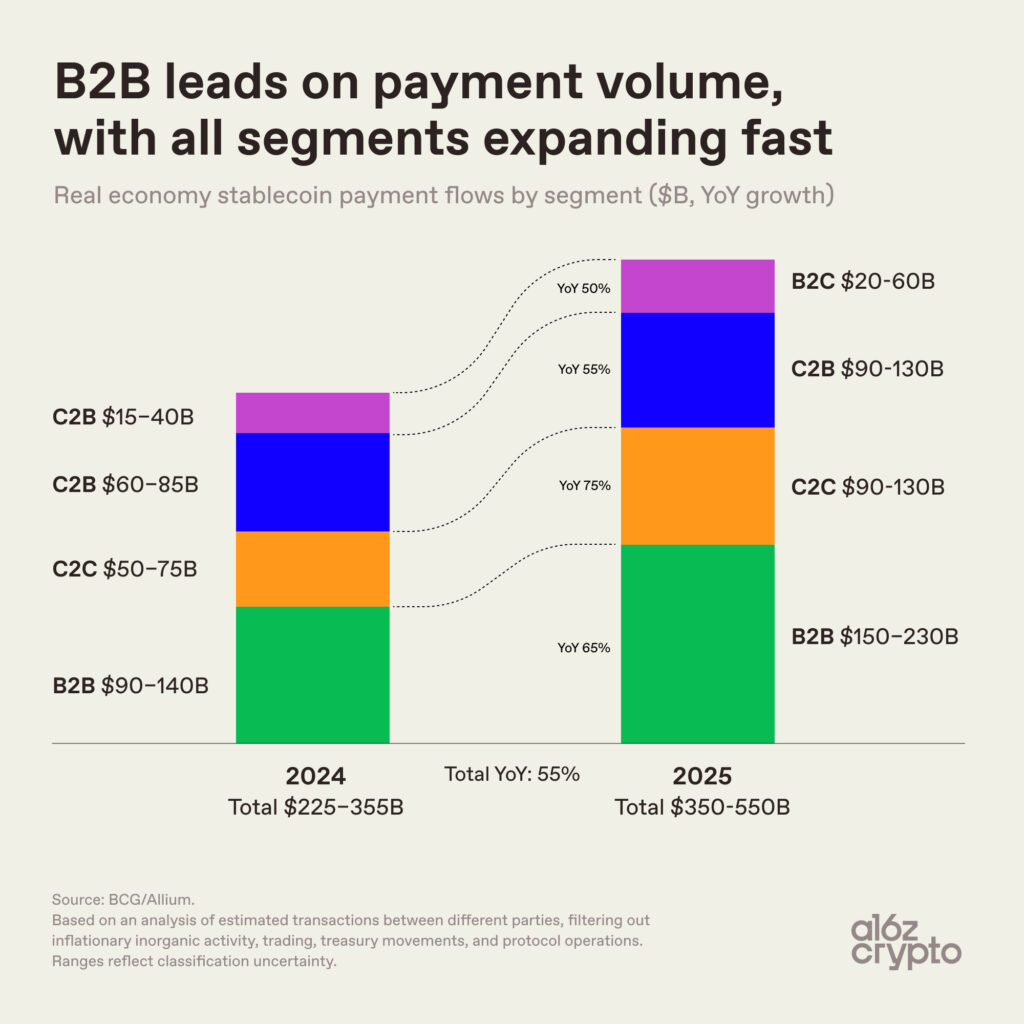
Stablecoins have crossed a historic threshold in 2026, settling $7.2 trillion in February alone. This figure marks the first time digital dollar flows have surpassed the volume of the US ACH network, signaling a structural shift in how global payments are processed. The milestone underscores a move from speculative trading to functional payments infrastructure, particularly in business-to-business (B2B) transactions and treasury management.
This scale of adoption is driven by the need for faster, cheaper cross-border settlements. Traditional banking rails often struggle with speed and transparency, whereas stablecoin networks offer near-instant finality. As institutions increasingly integrate these assets into their operational workflows, the volume is expected to grow, reinforcing stablecoins' role as critical digital plumbing for the global economy.
How BlackRock BUIDL drives tokenized treasury demand
BlackRock’s BUIDL fund has become a primary engine for institutional stablecoin flows, shifting capital from simple payment rails into yield-bearing tokenized real-world assets (RWA). By allowing institutional investors to hold US Treasury bills directly on-chain, BUIDL creates a new liquidity pool that competes with traditional money market funds while leveraging the efficiency of stablecoin infrastructure.
This shift represents a structural change in how institutions deploy idle cash. Instead of moving funds through slow settlement layers, investors can now allocate capital to tokenized treasuries with near-instant settlement. The fund’s growth signals that large-scale capital prefers the transparency and programmability of blockchain networks for sovereign debt exposure.
The impact on stablecoin markets is measurable. As demand for tokenized treasuries rises, the underlying stablecoins used to purchase these assets experience increased velocity and hold times. This creates a feedback loop where stablecoin issuers must maintain higher reserves to support the growing demand for on-chain government debt.
The integration of RWA into stablecoin ecosystems also pressures traditional payment providers to adapt. As seen in emerging global payment trends, the ability to move liquidity across borders faster and under tighter regulatory frameworks is becoming a competitive necessity. Institutions are no longer just using stablecoins for transfers; they are using them as a settlement layer for sovereign assets.
Ethereum L2s capture cross-border payment volume
Use this section to make the Stablecoin Flows decision easier to compare in real life, not just on paper. Start with the reader's actual constraint, then separate must-have requirements from details that are merely nice to have. A practical choice should survive normal use, maintenance, timing, and budget. If a recommendation only works in an ideal situation, call that out plainly and give the reader a fallback path.
| Factor | What to check | Why it matters |
|---|---|---|
| Fit | Match the option to the primary use case. | A good deal still fails if it does not fit the job. |
| Condition | Verify age, wear, and service history. | Hidden condition issues erase upfront savings. |
| Cost | Compare purchase price with likely upkeep. | The cheapest option is not always the lowest-cost option. |
USDC and USDT market share dynamics in 2026
Use this section to make the Stablecoin Flows decision easier to compare in real life, not just on paper. Start with the reader's actual constraint, then separate must-have requirements from details that are merely nice to have. A practical choice should survive normal use, maintenance, timing, and budget. If a recommendation only works in an ideal situation, call that out plainly and give the reader a fallback path.
The simplest way to use this section is to write down the must-have criteria first, then compare each option against those criteria before weighing nice-to-have features.
Regulatory frameworks shape flow transparency
The era of regulatory ambiguity is ending. In 2026, emerging global frameworks are forcing stablecoin issuers to adopt institutional-grade transparency, fundamentally altering how flows are tracked and reported. This shift moves the industry from a phase of experimental approval to rigorous oversight, requiring issuers to treat stablecoin transactions with the same scrutiny as traditional fiat wire transfers.
For institutional participants, this means that flow data is no longer just a backend metric but a compliance requirement. The pressure is particularly acute in major jurisdictions. The European Union’s Markets in Crypto-Assets (MiCA) regulation and the United Kingdom’s evolving stablecoin rules are setting the standard for reserve backing and transaction monitoring. These frameworks demand real-time visibility into asset composition, pushing issuers to integrate automated reporting tools that can satisfy auditors and regulators simultaneously.
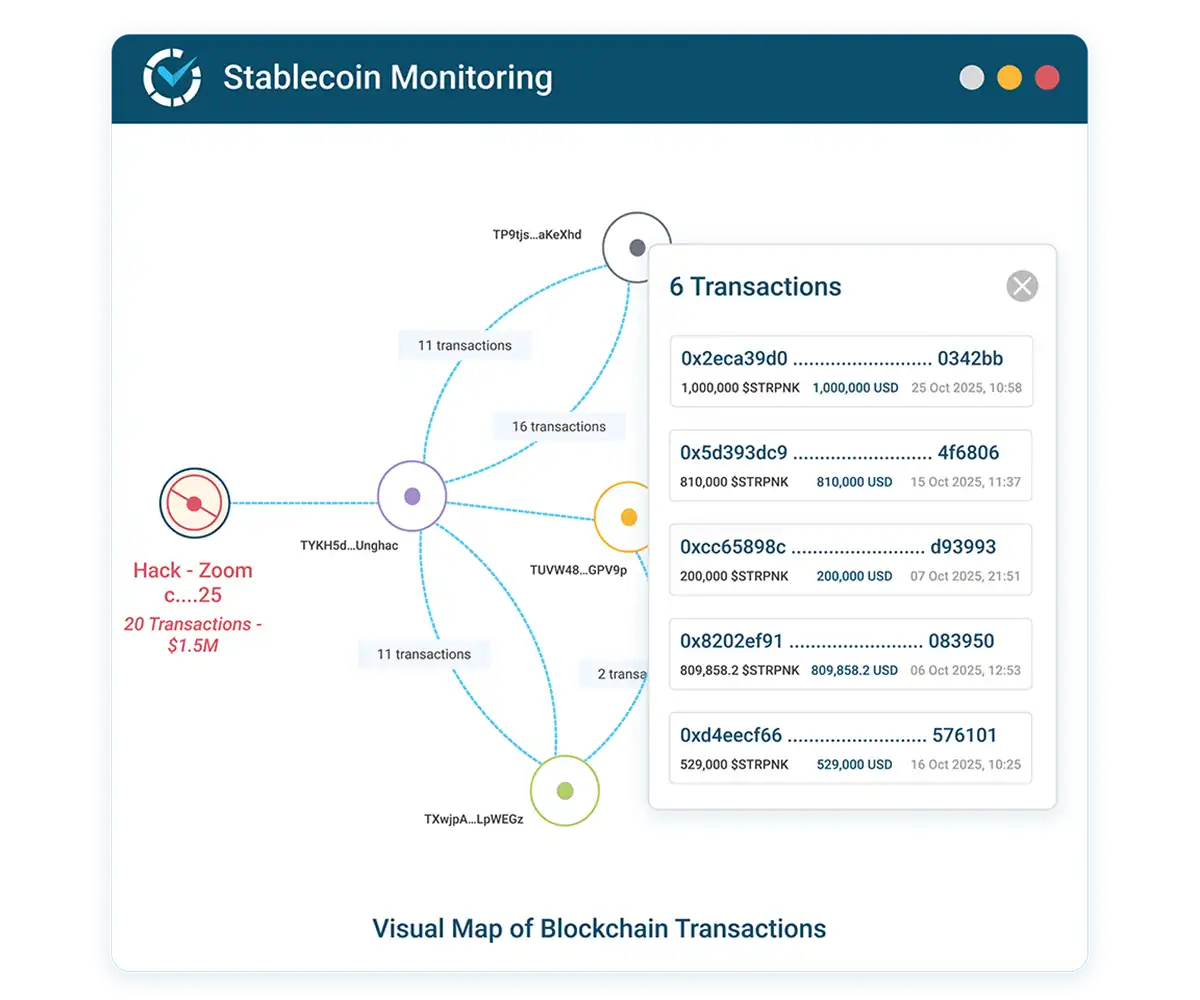
This increased transparency affects the entire lifecycle of stablecoin usage. As noted by industry analysts, businesses must now treat stablecoin flows like any other sensitive financial process, implementing multi-signature approvals, continuous wallet monitoring, and regular third-party audits. The result is a more fragmented but safer ecosystem, where flow data is accessible, verifiable, and aligned with traditional financial reporting standards.
The move toward standardized reporting also impacts how liquidity is managed across decentralized exchanges and centralized platforms. Institutions are increasingly demanding proof of reserves that matches on-chain volume, creating a direct link between regulatory compliance and market confidence. This alignment ensures that stablecoin flows contribute to broader financial stability rather than operating in a regulatory gray zone.
No comments yet. Be the first to share your thoughts!