
Tracking stablecoin net inflows in 2026
The stablecoin market in 2026 is defined by a structural pivot from speculative trading volumes to utility-driven net inflows. This shift is most visible in the accumulation patterns of major issuers, where capital retention is increasingly linked to the tokenization of real-world assets (RWA) rather than short-term arbitrage. According to the IMF’s March 2026 working paper on stablecoin shocks, the causal effects of this adoption are now measurable in U.S. financial market stability, indicating that stablecoins have moved from peripheral instruments to core infrastructure components.
Data from BVNK’s 2026 Utility Report supports this observation, noting that 56% of holders plan to increase their stablecoin positions in the coming year, while half have already expanded their holdings over the last twelve months. This sustained accumulation suggests that market participants are treating stablecoins as a functional settlement layer. The inflows are no longer transient; they are sticky, reflecting a growing reliance on digital dollars for cross-border payments and on-chain collateralization.
To visualize this trend, the following chart tracks the market capitalization of the two dominant issuers, USDT and USDC, over the last twelve months. The divergence in their growth curves highlights how regulatory clarity and institutional adoption are reshaping market share.
The interplay between these net inflows and RWA tokenization is critical. As traditional assets move on-chain, they require stablecoin liquidity for settlement. This creates a feedback loop: more RWA tokenization drives stablecoin demand, which in turn deepens the liquidity pool for further tokenization. This dynamic is altering the fundamental risk profile of the stablecoin ecosystem, reducing reliance on speculative trading volume for stability.
USDC vs USDT market share dynamics
The stablecoin landscape in 2026 is defined by a divergence in regulatory positioning and institutional utility. While Tether (USDT) retains dominance in retail and cross-border exchange volume, USDC has captured significant ground in regulated institutional finance. This shift is not merely competitive but structural, driven by the implementation of frameworks that distinguish "permitted stablecoin issuers" from legacy operators.
Regulatory clarity has become the primary driver of market share. New global stablecoin rules are accelerating adoption among compliant entities, effectively creating a two-tier system. USDC, issued by Circle, aligns with emerging standards for transparency and reserve auditing, making it the preferred vehicle for traditional financial institutions integrating digital assets. In contrast, USDT, issued by Tether, continues to face scrutiny in jurisdictions requiring stricter compliance, limiting its penetration in formal banking corridors despite its broader retail presence.
The following comparison outlines the current structural differences between the two dominant stablecoins.
| Metric | USDC (Circle) | USDT (Tether) | 2026 Trend |
|---|---|---|---|
| Primary Market | Institutional & DeFi | Retail & CEX | USDC gaining institutional share |
| Regulatory Status | Compliant (MiCA/US) | Mixed/Scrutinized | Regulatory pressure on USDT |
| Reserve Transparency | Monthly attestations | Quarterly audits | Increasing demand for USDC-style transparency |
| Primary Use Case | Treasury & Settlement | Trading & Remittance | USDC moving into payments |
| Market Cap Share | ~35-40% | ~60-65% | USDC growth outpacing USDT in regulated zones |
This divergence suggests that while USDT remains the liquidity backbone of cryptocurrency exchanges, USDC is becoming the settlement layer for regulated finance. As payment processors and banks finalize their frameworks, the gap in institutional adoption is likely to widen, reinforcing USDC's position in high-stakes financial flows.
Real-world assets driving liquidity
Tokenization of real-world assets (RWA) is establishing a structural demand for stablecoins that operates independently of crypto-native speculation. By linking digital tokens to tangible value streams—such as US Treasury bills, investment-grade bonds, and private credit—financial institutions are creating a stable, yield-bearing foundation for the ecosystem. This shift moves stablecoins from speculative trading pairs to essential components of global treasury management and cross-border settlement.
Major payment processors and asset managers are accelerating this transition. According to Stripe’s 2026 analysis, the primary drivers for stablecoin adoption in business operations are trust, transparency, and regulatory clarity rather than arbitrage opportunities. As enterprises integrate stablecoins for B2B payments and treasury operations, the underlying demand is anchored in the efficiency of settlement rather than price appreciation. This creates a more resilient market structure, where stablecoin liquidity is derived from the credit quality of the underlying RWA collateral.
The scale of this shift is significant. State Street’s market forecasts indicate that RWA tokenization could capture a substantial share of traditional asset management flows, with stablecoins serving as the primary settlement layer. This integration requires robust regulatory frameworks, as highlighted by IMF and Deutsche Bank research, which emphasize the need for clear custody and reserve auditing standards. The result is a dual-market dynamic: speculative volatility remains in the crypto sector, while institutional liquidity flows through regulated, RWA-backed stablecoin channels.
Regulatory frameworks shaping flows
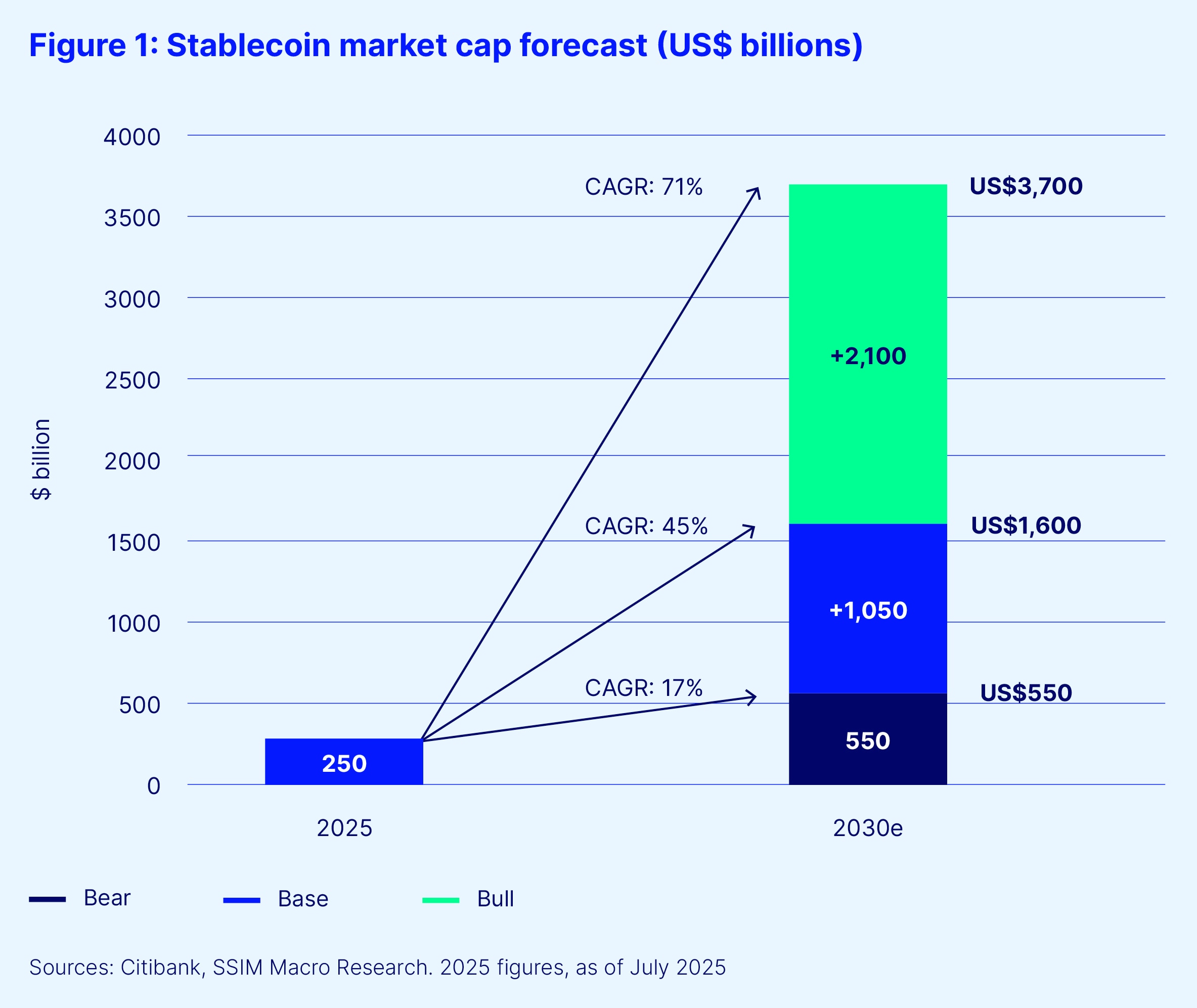
Global regulatory frameworks are no longer theoretical constraints; they are active mechanisms redirecting stablecoin capital. The implementation of the EU’s Markets in Crypto-Assets (MiCA) regulation has established a baseline for reserve transparency that issuers worldwide are now mimicking to maintain market access. As noted by the International Monetary Fund in its March 2026 working paper, these compliance requirements are fundamentally altering the liquidity landscape by forcing issuers to segregate reserves and undergo rigorous auditing (IMF, 2026).
This shift has created a bifurcation in market behavior. Issuers operating under strict jurisdictions like the EU and emerging US frameworks are prioritizing high-quality liquid assets, primarily short-term US Treasuries, to satisfy reserve mandates. Conversely, regions with lagging regulatory clarity, such as parts of Asia, continue to see rapid volume growth, with nearly two-thirds of Q1 2026 stablecoin flows originating from that region (The Payments Association, 2026). However, this growth is increasingly constrained by the necessity of cross-border compliance, as global payment processors begin to enforce stricter anti-money laundering (AML) checks tied to reserve backing.
The convergence of these regulatory pressures is driving capital toward issuers with the most robust legal structures. MiCA’s requirements for asset-referenced tokens (ARTs) and e-money tokens (EMTs) have raised the barrier to entry, effectively pushing smaller, less transparent issuers out of the primary market. This consolidation reduces systemic risk but also concentrates market share among a few major players who can absorb the compliance costs.
As a result, stablecoin flows are becoming less speculative and more institutional. The demand for US debt instruments is rising not just from traditional investors, but from stablecoin issuers who must back their liabilities with tangible, regulated assets. This structural change ensures that stablecoin growth in 2026 is more tightly coupled with traditional financial markets, making regulatory developments a primary driver of crypto liquidity.
No comments yet. Be the first to share your thoughts!